Planning a year-end or New Year trip to Japan in 2026? Whether you’re chasing snow festivals in Hokkaido, admiring winter illuminations in Tokyo, or making a hatsumode shrine visit on January 1st, one thing can make or break your trip: your footwear. This guide covers the best winter boots for snowy Japan sightseeing in 2026, along with practical cold-weather prep and crowd-avoidance tips so you can enjoy Japan’s magical winter season in comfort and safety.
Why Proper Winter Boots Matter in Japan
Japan’s winter climate varies dramatically by region. Hokkaido and the Japan Alps see heavy, powdery snowfall and icy sidewalks from December through March, while Tokyo, Osaka, and Kyoto experience occasional light snow and near-freezing temperatures, especially around New Year. Many popular winter activities—hatsumode (New Year shrine visits), illumination walks, snow festivals, and onsen town strolls—involve long hours standing or walking outdoors on slippery surfaces. The wrong shoes can lead to cold, wet feet, painful slips, or cutting a sightseeing day short.
Key Features to Look For
- Waterproofing: Look for boots with sealed seams and waterproof membranes (Gore-Tex or similar) to keep feet dry through slush and snowmelt.
- Insulation: Thinsulate or fleece lining rated for temperatures down to -10°C to -20°C is ideal for Hokkaido and Tohoku; lighter insulation suffices for Tokyo/Kyoto.
- Grip and Sole Design: Deep-lugged rubber outsoles or ice-specific soles (some Japanese brands use built-in spike technology) are essential on compacted icy pavement, especially near train stations and shrine approaches.
- Ankle Support: Mid-to-high shaft boots reduce twisting risk on uneven, icy ground.
- Weight and Packability: Since you’ll likely be walking 15,000+ steps a day, choose boots that are supportive but not overly heavy or bulky for your suitcase.
- Versatile Style: Many travelers want boots that transition from snowy streets to nice restaurants or shrine visits—look for a clean, semi-formal design if you’re combining sightseeing with dining.
Top Winter Boot Recommendations by Region
Hokkaido and Heavy Snow Areas (Sapporo, Otaru, Niseko)
For the Sapporo Snow Festival or ski resort towns like Niseko, prioritize boots rated for extreme cold with aggressive ice-grip soles. Brands like Sorel, The North Face Nuptse Boots, and Japanese brand Moonstar’s winter line perform well here. Local convenience: many Hokkaido residents use boots with retractable spikes built into the sole—these are widely sold at Sapporo’s Bic Camera and outdoor stores if you’d rather buy locally than pack bulky boots.
Tohoku and the Japan Alps (Sendai, Nagano, Takayama)
Snowfall here can be heavy but slightly less extreme than Hokkaido. A solid mid-calf waterproof boot with Thinsulate insulation, such as Columbia’s Bugaboot or Merrell’s Thermo series, is usually sufficient. These regions also have plenty of hot spring towns, so slip-on boots that are easy to remove at ryokan entrances are a bonus.
Tokyo, Kyoto, and Osaka (Mild Winter Cities)
Snow is less frequent but New Year cold snaps and occasional snowfall happen. A stylish, water-resistant leather or synthetic ankle boot with a moderate tread is usually enough. This is especially useful for hatsumode visits to shrines like Meiji Jingu or Fushimi Inari, where you’ll be walking on cold stone paths, sometimes with light snow or rain.
Buy Before You Go, or Buy in Japan?
If you already own solid waterproof winter boots, bring them. But if you’re traveling light or want cost-effective options, Japan has excellent winter gear shopping. Workman (famous for budget outdoor wear), Uniqlo (affordable insulated boots and HeatTech socks), and ABC Mart carry reliable, reasonably priced winter footwear. As of 2026, Japan’s consumption tax remains 10%, and tax-free shopping is available for tourists spending over 5,000 yen at eligible stores—simply present your passport at checkout to receive the tax exemption on eligible purchases, including boots and cold-weather gear.
Layering Tips for Warm, Dry Feet
- Wear moisture-wicking base layer socks (merino wool or synthetic blends) rather than cotton, which retains moisture and cold.
- Consider a thin liner sock plus a thicker wool sock for extreme cold days in Hokkaido.
- Pack disposable toe warmers for extended outdoor events like the Sapporo Snow Festival or late-night illumination walks.
- Break in new boots before your trip to avoid blisters during long sightseeing days.
Crowd Avoidance Strategies for Winter and New Year Travel
Winter and New Year are peak times for hatsumode and illumination viewing, meaning major shrines and popular light displays get extremely crowded. To enjoy snowy sightseeing comfortably:
- Visit famous shrines like Meiji Jingu or Fushimi Inari very early morning (before 7am) on January 1-3 to avoid the biggest crowds.
- Explore illuminations on weeknights rather than weekends, and arrive right at opening time.
- Consider lesser-known snow destinations like Zao Onsen’s Snow Monsters or Shirakawa-go instead of only the most famous spots, both for a quieter experience and equally stunning winter scenery.
- Book accommodation and shinkansen tickets well in advance, as the year-end/New Year period (typically Dec 28-Jan 4) is one of Japan’s busiest domestic travel windows.
Practical 2026 Travel Updates for Winter Visitors
Visa Requirements
As of 2026, travelers from most visa-exempt countries (including the US, UK, Australia, Canada, and EU nations) can still enter Japan for short-term tourism up to 90 days without a visa. Always double-check current requirements on the official Ministry of Foreign Affairs of Japan website before booking, as policies can change.
JR Pass Pricing
Remember that JR Pass prices increased significantly in October 2023 and remain at the higher rate in 2026: a 7-day Ordinary JR Pass now costs 50,000 yen. For short winter trips focused on one or two regions (e.g., Tokyo plus a day trip to a snow town), compare the JR Pass cost against individual point-to-point Shinkansen tickets, as the pass may no longer be the cheaper option for shorter itineraries.
IC Cards (Suica/Pasmo)
As of 2026, tourists can easily set up mobile Suica or Pasmo directly on their smartphones via Apple Pay or Google Pay, linking an overseas-issued credit card for instant top-ups—extremely convenient when your hands are full of gloves and shopping bags. Welcome Suica cards (a tourist-specific physical IC card) also remain available at major airports for those who prefer a physical card. These IC cards work seamlessly on subways, buses, and even some taxis, which is especially useful when navigating snowy train stations where you want to minimize time fumbling for tickets.
Final Packing Checklist for Snowy Japan Sightseeing
- Waterproof, insulated winter boots with good grip
- Wool or thermal socks (pack extra pairs)
- Toe and hand warmers
- Waterproof gloves and a warm hat
- Insulated, water-resistant outer jacket
- Mobile IC card set up before departure or Welcome Suica at the airport
- Passport for tax-free shopping and visa verification
Conclusion
Choosing the best winter boots for snowy Japan sightseeing in 2026 is one of the smartest investments you can make for a comfortable, safe, and enjoyable New Year or winter break trip. Combine the right footwear with smart layering, early-morning crowd avoidance strategies, and up-to-date knowledge of JR Pass pricing, IC card options, and visa rules, and you’ll be ready to fully embrace Japan’s snowy landscapes, hatsumode traditions, and dazzling winter illuminations without missing a step.
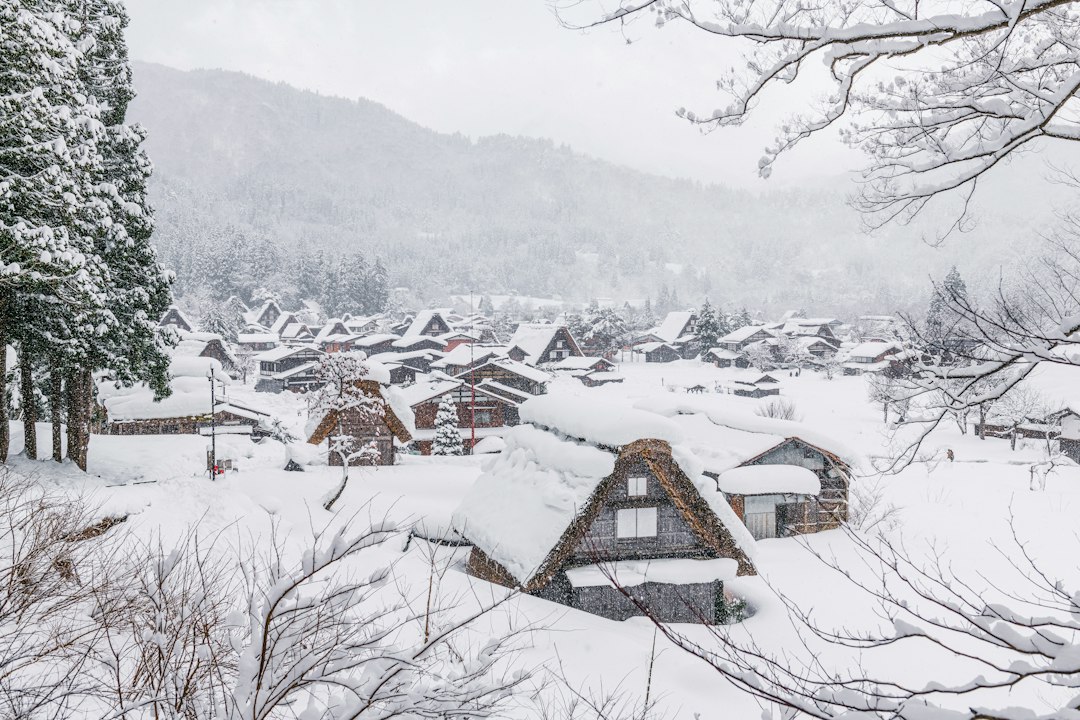
Photo by Hyungman Jeon on Unsplash