Currency Exchange in Japan 2026: Why Japan Post Bank Should Be Your First Stop
Planning a trip to Japan in 2026? One of the most practical questions every traveler asks is where to exchange cash for the best rate and the least hassle. While convenience store ATMs and airport kiosks are popular, savvy travelers increasingly turn to Japan Post Bank (Yucho Ginko) for currency exchange. With thousands of branches spread across cities, suburbs, and even rural towns, Japan Post Bank offers one of the most reliable and widely accessible currency exchange networks in the country. This 2026 guide covers everything you need to know: exchange rates, fees, branch locations, required documents, and how Japan Post Bank compares to other options like banks, airport counters, and IC card top-ups.
Why Choose Japan Post Bank for Currency Exchange
Japan Post Bank is unique because it operates inside post offices (yubinkyoku), which exist in nearly every neighborhood, town, and rural area in Japan. Unlike private banks, which are concentrated mostly in major cities, Japan Post Bank branches reach places where you won’t find a Travelex counter or a SMBC branch. This makes it an excellent backup option if you run out of cash while traveling outside Tokyo, Osaka, or Kyoto.
- Extensive nationwide network, including rural and mountain regions
- Competitive exchange rates compared to airport kiosks
- Multilingual staff at larger branches in tourist areas
- Ability to exchange major currencies (USD, EUR, GBP, AUD, CAD, and more)
- ATMs that accept foreign-issued cards for cash withdrawals
Japan Post Bank Locations: Where to Find Them
As of 2026, Japan Post Bank operates over 20,000 locations throughout Japan, though not every branch offers full currency exchange services. Here’s where you’re most likely to find currency exchange counters:
Major City Branches
In Tokyo, Osaka, Kyoto, Nagoya, Fukuoka, and Sapporo, look for large central post offices near main train stations. These branches typically have dedicated foreign exchange counters and are more likely to have English-speaking staff. The Tokyo Central Post Office near Tokyo Station and the Osaka Central Post Office are particularly convenient for tourists.
Airport-Adjacent Branches
While Japan Post Bank does not operate directly inside terminal buildings at Narita, Haneda, or Kansai International Airport, nearby branches in surrounding towns can be a good alternative if airport exchange rates seem unfavorable.
Rural and Regional Branches
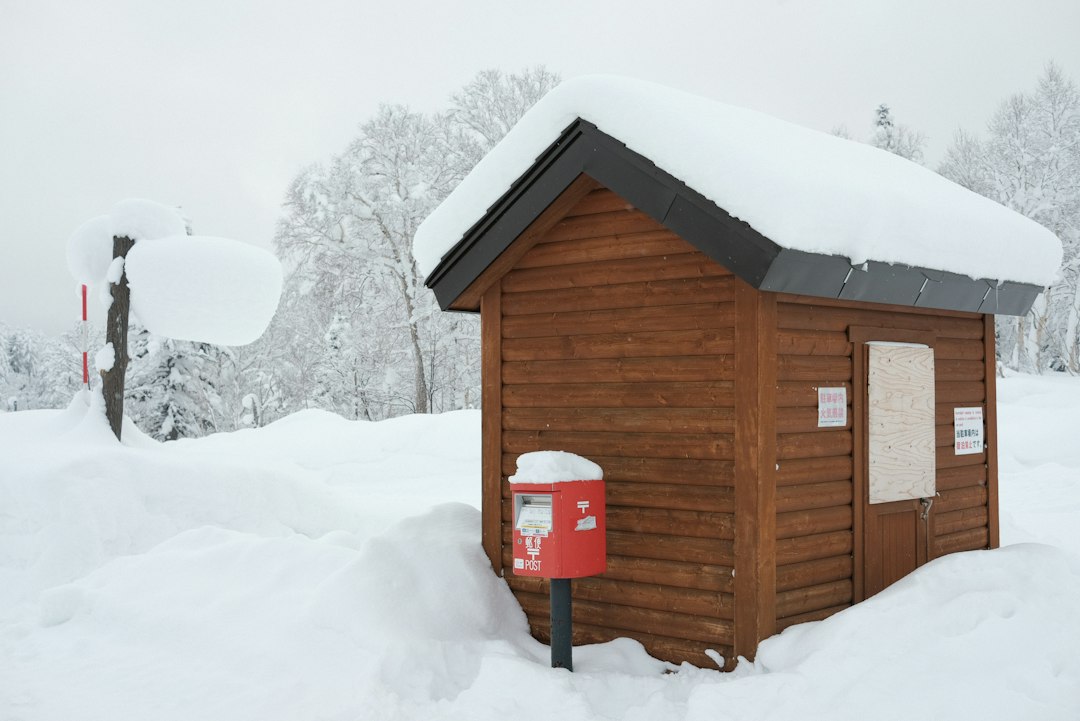
This is where Japan Post Bank truly shines. If you’re hiking in the Japanese Alps, visiting onsen towns in Tohoku, or exploring rural Shikoku, a local post office is often the only financial institution around. Currency exchange services may be limited to major foreign currencies, so it’s wise to carry some backup cash if venturing deep into the countryside.
Currency Exchange Rates at Japan Post Bank in 2026
Exchange rates fluctuate daily based on international markets, so always check the official Japan Post Bank website or app for real-time rates before heading out. As of 2026, Japan Post Bank rates are generally more favorable than airport currency exchange counters, though slightly less competitive than specialized exchange shops in areas like Osaka’s Namba or Tokyo’s Shinjuku.
- Typical spread: Japan Post Bank usually charges a moderate margin above the mid-market rate
- No hidden commission on most transactions, but always confirm the total yen amount before finalizing
- Rates are posted daily at branches and updated online
- USD, EUR, and CNY tend to have the best rates due to high demand
How Japan Post Bank Compares to Other Exchange Options
Here’s a quick comparison to help you decide where to exchange your money:
- Japan Post Bank: Good rates, wide availability, moderate wait times
- Airport Exchange Counters: Convenient but typically the worst rates due to high overhead costs
- City Bank Branches (SMBC, Mizuho, MUFG): Similar rates to Japan Post Bank but fewer locations outside major cities
- Private Exchange Shops: Often the best rates in tourist districts, but quality varies and some charge hidden fees
- ATM Withdrawals with Foreign Cards: Convenient 24/7 access via 7-Eleven or Japan Post Bank ATMs, though your home bank may charge foreign transaction fees
Step-by-Step: How to Exchange Currency at Japan Post Bank
- Locate a branch with a currency exchange counter using the official Japan Post Bank website or Google Maps (search for “yubinkyoku” plus “foreign exchange”)
- Bring your passport, as identification is required for currency exchange transactions
- Fill out the exchange request form, available in English at larger branches
- Present your foreign currency in cash (most branches do not accept exchange from travelers checks in 2026)
- Receive your yen in cash, and always count it before leaving the counter
- Keep your exchange receipt in case you need to convert leftover yen back to your home currency before departure
Documents and Requirements
Since Japan strengthened anti-money laundering regulations in recent years, currency exchange at Japan Post Bank in 2026 requires a valid passport for identification. Some branches may also ask for your accommodation address in Japan, so keep your hotel confirmation or itinerary handy. There are no citizenship restrictions, but daily exchange limits may apply at smaller branches, so exchanging large sums may require visiting a bigger branch or splitting the transaction across multiple days.
Business Hours and Best Times to Visit
Standard Japan Post Bank branches operate from approximately 9:00 AM to 4:00 PM or 5:00 PM on weekdays, with limited or no service on weekends at smaller locations. However, select branches inside major train stations and city centers offer extended hours, including some Saturday service. Always check ahead, especially if you’re visiting a rural branch, as hours can vary significantly and holiday closures are common around Japanese national holidays and the New Year period.
Using Japan Post Bank ATMs
Beyond over-the-counter exchange, Japan Post Bank ATMs are famous among international travelers for accepting foreign-issued debit and credit cards, including Visa, Mastercard, JCB, American Express, and Union Pay. This makes them a reliable backup for cash withdrawals in yen, especially in areas where 7-Eleven ATMs are scarce. ATM screens offer English, Chinese, Korean, and other language options, and most locations operate 24 hours a day, though transaction fees apply and vary depending on your home bank.
Tips for Getting the Best Exchange Rate in Japan (2026)
- Avoid exchanging money at the airport unless absolutely necessary, as rates are typically the least favorable
- Compare rates using apps or bank websites before choosing a branch
- Bring crisp, undamaged foreign bills, as Japanese institutions may reject torn or heavily worn currency
- Consider withdrawing yen directly from ATMs using a no-foreign-transaction-fee travel card for better overall value
- Exchange only what you need for the first few days, then use ATMs or IC card top-ups as needed
- Remember that as of 2026, IC cards like Suica and Pasmo increasingly support mobile wallet top-ups with foreign credit cards, reducing the need for large cash reserves
Final Thoughts
Japan Post Bank remains one of the most dependable and geographically accessible options for currency exchange in Japan, particularly outside the major tourist hubs. While rates fluctuate daily and it’s always wise to compare with private exchange shops in cities like Tokyo and Osaka, the sheer number of Japan Post Bank locations makes it an essential resource for travelers exploring beyond the beaten path in 2026. Always carry your passport, check current exchange rates online before visiting a branch, and keep a mix of cash and card payment options for a smooth, stress-free trip across Japan.
Photo by Dominic Kurniawan Suryaputra on Unsplash