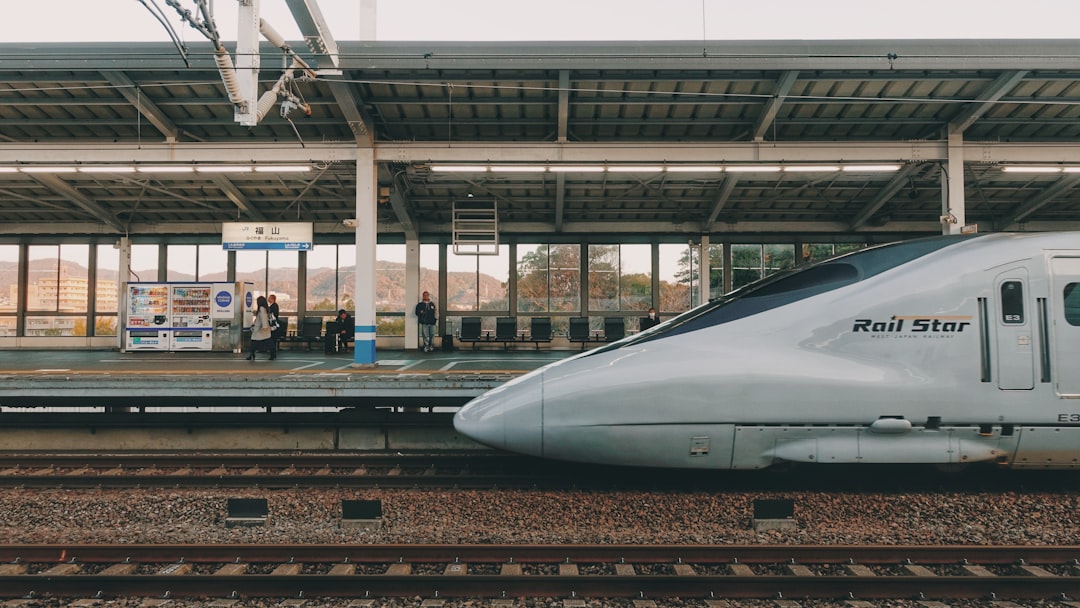
Planning a trip across Japan by bullet train in 2026? Before you zip up your suitcase, it’s essential to understand the current shinkansen luggage rules, which have remained strictly enforced since their introduction and continue to catch first-time visitors off guard. Whether you’re riding the Tokaido, Sanyo, Kyushu, or Tohoku Shinkansen lines, knowing exactly what you can bring on board—and how to pack it smartly—will save you from awkward moments, extra fees, or being turned away at the gate. This 2026 guide breaks down everything from official size limits to genius carry-on packing hacks used by seasoned Japan travelers.
Understanding Shinkansen Luggage Size Rules
Japan Railways (JR) introduced mandatory oversized baggage reservations back in May 2020, and as of 2026 these rules remain firmly in place across JR Central, JR East, and JR West operated shinkansen services. The regulation exists because shinkansen cars were never designed with large overhead bins like airplanes—space is limited, and JR wants to keep aisles clear for safety and comfort.
The 160cm Rule Explained
The key number to remember is 160cm. This refers to the total combined dimensions of your bag (height + width + depth). Most standard carry-on suitcases and daypacks fall safely under this limit. However, if your suitcase’s three dimensions add up to more than 160cm but less than 250cm, you are required to reserve a seat in a special “Oversized Baggage Area” row (specifically rows 11-18 in cars with the designated space, depending on the train type) when booking your ticket—completely free of charge, but mandatory.
Bags larger than 250cm combined are not permitted on board at all and must be sent via a luggage forwarding service instead (more on this below).
What Happens If Your Luggage Is Too Large or Unreserved
If you board with an oversized bag without a reservation, conductors can charge a penalty fee of 1,000 yen on the spot, and in busier periods you may be asked to move to a different car or even wait for a later train with available oversized space. As of 2026, this rule is enforced more consistently than in previous years, especially on popular routes like Tokyo–Kyoto–Osaka during peak holiday seasons (New Year, Golden Week, and Obon).
Reserving a Seat with Extra-Large Baggage Space
When booking through the JR East or JR Central website, JR-WEST ONLINE TRAIN RESERVATION, or a ticket counter (midori-no-madoguchi), simply indicate that you’re traveling with oversized luggage. There is no additional cost—it’s purely a logistical requirement to ensure a spot is physically available for your bag behind your seat. Popular seat-reservation apps and the official JR East app now include a simple toggle for this in 2026, making the process much smoother than it was a few years ago.
Carry-On Packing Tips for Shinkansen Travel
Beyond understanding the size rules, smart packing makes your shinkansen journey infinitely more comfortable—especially since most trains don’t have large overhead storage and legroom is tighter than domestic flights.
Choose the Right Bag Size
- Opt for a suitcase around 55-65cm in height with slim proportions—this typically keeps you safely under the 160cm combined limit.
- A soft-sided duffel or backpack is often easier to squeeze into the overhead rack or the gap between seats and windows.
- If traveling with a larger suitcase (28-30 inch), plan on reserving oversized luggage seating in advance, especially for the Tokaido Shinkansen (Tokyo-Osaka route).
Packing Cubes and Compression Bags
Since space is limited both on the train and often in Japanese hotel rooms, packing cubes are a traveler’s best friend. Use compression cubes to reduce clothing volume by up to 30%, allowing you to fit everything into a single carry-on-sized bag instead of checking a bulky suitcase. This also makes the mandatory reservation rule irrelevant for many travelers who can comfortably stay under 160cm.
What to Keep Accessible
Shinkansen seats have minimal under-seat space, so keep a small day bag or tote with your essentials within arm’s reach:
- Passport and IC card (Suica/Pasmo)
- JR Pass or ticket
- Phone charger and portable battery
- Snacks and a reusable water bottle (note: eating is generally acceptable on shinkansen, unlike local trains)
- A light jacket, as car temperatures can vary
Consider Luggage Forwarding (Takuhaibin)
One of the smartest strategies for long-distance travelers in 2026 is Japan’s efficient takuhaibin luggage forwarding service (Yamato Transport’s “TA-Q-BIN” being the most popular). For around 2,000-3,000 yen per large suitcase, you can ship your bag from one hotel to the next, arriving the following day, while you travel shinkansen-light with just a small backpack. This is especially useful for multi-city itineraries like Tokyo-Kyoto-Osaka-Hiroshima, and it completely sidesteps any luggage size headaches on the train itself.
JR Pass Pricing in 2026
If you’re planning multiple shinkansen rides, the Japan Rail Pass remains a popular option, though prices increased significantly in October 2023 and have stayed at that elevated level into 2026. As of 2026, a 7-day ordinary JR Pass costs approximately 50,000 yen for adults (roughly double the pre-2023 price), with 14-day and 21-day passes priced proportionally higher. Given this increase, it’s worth calculating whether individual point-to-point tickets or regional passes (like the JR Kansai Area Pass) might be more cost-effective for your specific itinerary. Always check the official JR Group website for the latest 2026 pricing before purchasing, as fares are subject to periodic adjustment.
IC Card Updates for 2026
For local transit connections to and from shinkansen stations, an IC card like Suica or Pasmo remains essential. As of 2026, both cards support mobile wallet integration on iPhone and select Android devices, and foreign-issued credit cards can now be linked directly to mobile Suica for top-ups in many cases, reducing the need to carry cash. However, physical IC card issuance for tourists has fluctuated due to chip shortages in past years, so it’s wise to check current availability at airport counters or set up a mobile version before departure. Note that IC cards work for local transit and some shinkasen-adjacent services but cannot be used to pay shinkansen fares directly.
General Shinkansen Etiquette Tips
- Keep phone calls to a minimum or use the deck areas between cars.
- Recline your seat gently and check behind you first.
- Dispose of trash in the bins near each car’s exit, as there are no in-seat trash receptacles.
- Store luggage properly to avoid blocking aisles, especially during peak travel times.
Sample Carry-On Packing List for Shinkansen Travel
- 1 compression-packed carry-on suitcase (under 160cm combined dimension)
- 1 small daypack for essentials
- Packing cubes for clothing organization
- Portable charger and universal adapter
- Travel documents (passport, JR Pass, IC card)
- Light layers for changing train car temperatures
- Snacks purchased from station kiosks (ekiben are a fun shinkansen tradition!)
Final Thoughts
Traveling Japan’s shinkansen network in 2026 is as efficient and enjoyable as ever, provided you plan your luggage strategy in advance. By understanding the 160cm rule, reserving oversized baggage space when needed, and packing smart with compression cubes or forwarding services, you’ll glide through stations without stress. Always double-check current rules on the official JR websites before your trip, as policies can be updated seasonally.
Photo by Nakaharu Line on Unsplash