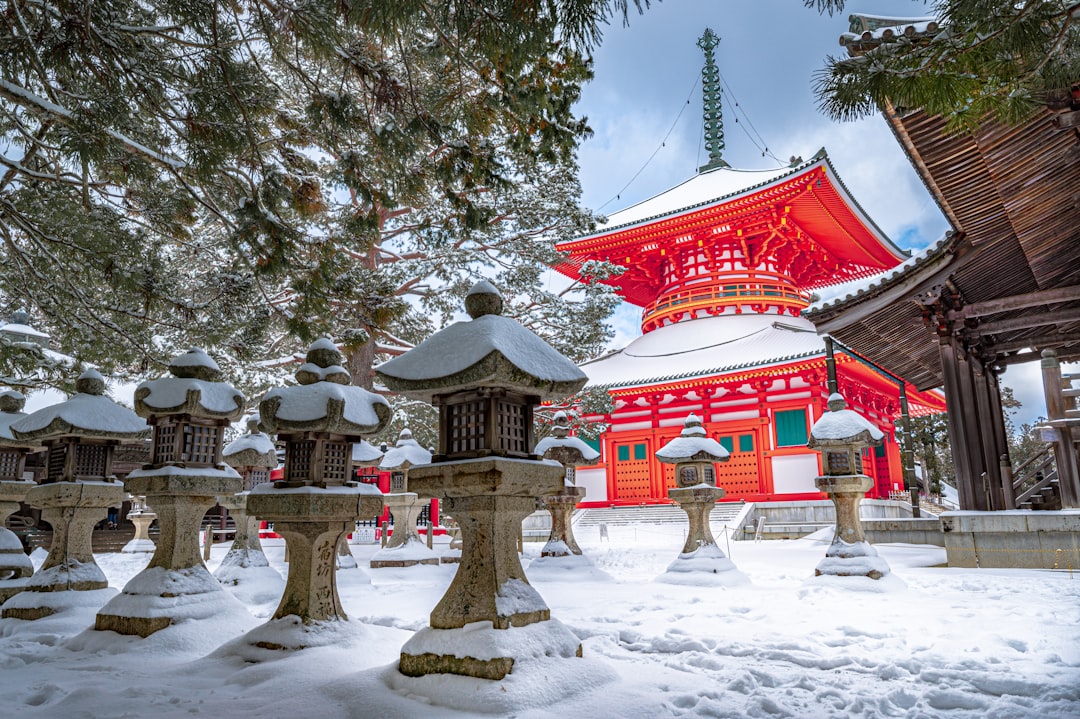
Japan’s New Year holiday (Oshogatsu) is one of the most magical times to visit the country, but it’s also one of the most crowded. Millions of domestic travelers flock to famous shrines for hatsumode (the first shrine visit of the year), while Shinkansen stations overflow between December 28 and January 4. If you’re planning a 2026 winter break trip and want to experience the serenity of a traditional Japanese New Year without fighting crowds at Meiji Jingu or Senso-ji, this guide is for you. Below we reveal the least crowded tourist spots in Japan for New Year 2026, plus practical cold-weather and crowd-avoidance strategies to make your trip smooth.
Why New Year in Japan Gets So Crowded
Oshogatsu is a national holiday period when most Japanese people travel to their hometowns or popular shrines for hatsumode. Major spots like Meiji Jingu (Tokyo), Fushimi Inari Taisha (Kyoto), and Naritasan Shinshoji (Chiba) see several million visitors within the first three days of January alone. Shinkansen and highway traffic peak around December 30-January 3, and many small shops, restaurants, and even some tourist facilities close from January 1-3. Knowing this rhythm is the key to finding quiet alternatives.
Least Crowded Tourist Spots in Japan for New Year 2026
1. Tohoku’s Snow Country (Yamagata, Akita, Aomori)
While Tokyo and Kyoto shrines overflow, the Tohoku region remains blissfully quiet even during New Year. Ginzan Onsen in Yamagata, with its snow-covered gaslit streets, offers a magical, Instagram-famous yet uncrowded atmosphere in early January. Kakunodate in Akita, known as \“Little Kyoto of Tohoku,\” is stunning under snow with almost no tourist crowds. Aomori’s Hirosaki also hosts peaceful winter illuminations without the Tokyo-level congestion.
2. San-in Region (Tottori & Shimane)
Often overlooked by international visitors, Tottori and Shimane prefectures offer incredible New Year experiences minus the crowds. Izumo Taisha, one of Japan’s oldest and most significant shrines, is far less packed than its Kyoto or Tokyo counterparts even during hatsumode season. Pair this with a stroll on the snow-dusted Tottori Sand Dunes for a truly unique New Year memory.
3. Shikoku’s Iya Valley and Naoshima
Shikoku remains one of Japan’s quietest regions overall. The remote Iya Valley, with its vine bridges and misty mountains, feels worlds away from crowded urban shrines. Naoshima, the contemporary art island, is calm in winter, making it an excellent off-season art pilgrimage for travelers seeking solitude rather than festival crowds.
4. Kyushu’s Yakushima and Amakusa
Yakushima’s ancient cedar forests (the inspiration for Studio Ghibli’s Princess Mononoke) are peaceful year-round, including New Year. Amakusa in Kumamoto offers warm coastal scenery, dolphin watching, and a distinctly relaxed New Year atmosphere compared to mainland hotspots.
5. Okinawa: A Subtropical New Year Alternative
If you want to escape both winter cold and holiday crowds, Okinawa is ideal. Temperatures hover around 17-20°C in early January, and while locals do celebrate Oshogatsu, the pace is far more laid-back than mainland Japan. Beaches and coral reefs remain uncrowded, and hatsumode at Okinawan shrines like Naminoue Shrine is far calmer than mainland equivalents.
6. Alternative Hatsumode Shrines
You don’t have to skip hatsumode entirely to avoid crowds—just choose lesser-known shrines. Consider Sasuke Inari Shrine in Kamakura (versus the packed Tsurugaoka Hachimangu), Shimogamo Shrine in Kyoto if visited after January 3rd, or local neighborhood shrines (ujigami) in smaller cities. Visiting any shrine on January 2nd afternoon or January 3rd, rather than midnight on January 1st, dramatically reduces wait times everywhere in Japan.
7. Quiet Ski Towns Beyond Niseko and Hakuba
Niseko and Hakuba attract huge international crowds during the New Year ski season. For a quieter powder experience in 2026, consider Nozawa Onsen, Myoko Kogen, or Madarao in Nagano/Niigata—all offering excellent snow quality with a fraction of the visitors and a more authentic onsen-town atmosphere.
8. Rural Onsen Retreats
Nyuto Onsen in Akita and Kinosaki Onsen in Hyogo provide a traditional, tranquil New Year experience centered on hot springs, kaiseki dinners, and yukata-clad evening strolls—without the crowds of Hakone or Kusatsu.
Practical Crowd-Avoidance Strategies
- Avoid traveling on December 30-31 and January 2-3, the peak return/departure days; December 29 and January 4-5 tend to be calmer.
- Visit famous shrines on January 2nd afternoon rather than the midnight countdown or January 1st morning rush.
- Book Shinkansen reserved seats (not JR Pass Nozomi/Mizuho trains, which remain unusable with the pass year-round) at least 2-3 weeks in advance for New Year travel dates.
- Choose regional trains and local buses over major hub stations like Tokyo, Shinjuku, and Kyoto Station during peak days.
- Reserve accommodation in less touristy regions 2-3 months ahead, as even \“hidden gem\” towns fill up quickly during Oshogatsu.
Cold-Weather Preparation Tips
Many of these quieter regions, especially Tohoku and Hokkaido-adjacent areas, get significantly colder than Tokyo or Osaka. Pack thermal base layers, waterproof boots with good grip (icy sidewalks are common), a windproof outer shell, and disposable hand warmers (kairo), which are sold everywhere at convenience stores. Note that many small shops, restaurants, and even some train station kiosks close from January 1-3 in rural areas, so stock up on essentials in advance and rely on 24-hour convenience stores (Lawson, 7-Eleven, FamilyMart) which stay open nationwide.
2026 Travel Essentials: Visa, JR Pass, IC Cards, and Tax-Free Shopping
As of 2026, travelers from most visa-exempt countries (including the US, UK, Canada, Australia, and most EU nations) can still enter Japan for tourism for up to 90 days without a visa. Japan has announced plans for a future Electronic Travel Authorization system similar to the US ESTA, but as of 2026 it has not yet been implemented for short-term tourists—always check the Ministry of Foreign Affairs website for the latest updates before booking.
For the JR Pass, note the October 2023 price increase remains in effect for 2026: a 7-day Ordinary JR Pass costs 50,000 yen, 14-day is 80,000 yen, and 21-day is 100,000 yen. Given these prices, regional passes (such as the JR East Tohoku Area Pass or JR Kyushu Rail Pass) are often more cost-effective if you’re focusing on the less-crowded regions covered in this article.
For IC cards, Welcome Suica and Pasmo Passport remain available for tourists at major airports, and Mobile Suica on iPhone continues to support registration with foreign-issued Apple ID accounts and international credit cards for top-ups. Physical card availability has improved since the 2023-2024 chip shortage, but purchasing a Mobile IC card via smartphone remains the most reliable option in 2026.
Regarding tax-free shopping, Japan’s consumption tax remains at 10% (8% for food and beverages under the reduced tax rate). As of 2026, note that Japan has been transitioning toward a refund-based tax-free system (where travelers pay tax at purchase and claim refunds at the airport upon departure) rather than the traditional on-the-spot exemption—always confirm the current process at each store and check official Japan National Tourism Organization (JNTO) updates before your trip.
Final Thoughts
Japan’s New Year 2026 doesn’t have to mean shoulder-to-shoulder crowds at famous shrines. By venturing into Tohoku’s snow country, the San-in region, Shikoku, Kyushu, or Okinawa—or simply timing your hatsumode visit strategically—you can experience the beauty, tradition, and quiet spirituality of Oshogatsu the way many Japanese locals do in the countryside. Pack warm, book early, and enjoy a peaceful, memorable start to your year in Japan.
Photo by Samuel Berner on Unsplash