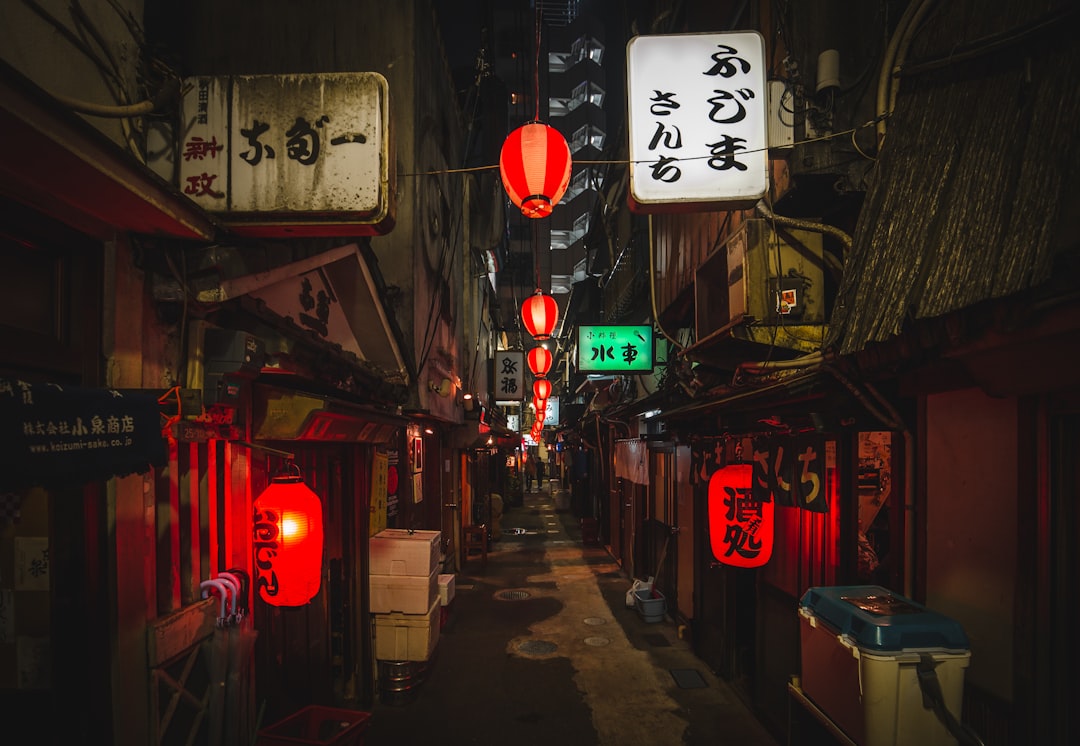
Japan’s bullet trains may be famous for whisking travelers between Tokyo, Kyoto, and Osaka, but in 2026 those same cities are more crowded than ever, with overtourism pushing many visitors to seek quieter alternatives. If you’re dreaming of wooden machiya houses, misty mountain valleys, and streets where locals still outnumber tourists, this guide to the best small towns in Japan without tourist crowds is exactly what you need. We’ll cover ten under-the-radar destinations, plus updated 2026 practical tips on visas, JR Pass pricing, IC cards, and tax-free shopping so you can plan a smooth, crowd-free trip.
Why Skip the Crowds for Japan’s Hidden Small Towns?
Small towns offer something the big cities simply can’t: authenticity without the queues. You’ll find centuries-old ryokan where the owner remembers your name by day two, local izakaya with no English menu (part of the charm), and festivals that feel like community gatherings rather than photo opportunities. Traveling slow through Japan’s countryside also supports rural economies that are struggling with depopulation, making your trip more meaningful for both you and the towns you visit.
10 Best Small Towns in Japan Without Tourist Crowds in 2026
1. Kinosaki Onsen, Hyogo Prefecture
This willow-lined hot spring town on the Sea of Japan coast is famous within Japan but still flies under the radar for international visitors. Wander between seven public bathhouses in a yukata and wooden geta sandals, and finish the evening with fresh matsuba crab in winter. It’s about 2.5 hours from Kyoto by limited express train, making it an easy detour off the Golden Route.
2. Ouchi-juku, Fukushima Prefecture
A perfectly preserved Edo-period post town with thatched-roof houses lining a single dirt road, Ouchi-juku looks like a movie set, especially under winter snow. Try the famous negi soba, eaten using a whole green onion instead of chopsticks. Domestic tourists know it, but foreign visitors remain rare, especially on weekdays.
3. Tsumago and Magome, Kiso Valley (Nagano/Gifu)
These two Nakasendo post towns are connected by a scenic 8km hiking trail through cedar forest and past waterfalls. Tsumago has banned visible power lines and vending machines to preserve its Edo-era atmosphere. Walk the old trade route once used by samurai and merchants, and stay overnight in a family-run minshuku for the full experience.
4. Uchiko, Ehime Prefecture (Shikoku)
Shikoku remains one of Japan’s least-visited regions, and Uchiko is its best-kept secret. This former wax and paper merchant town has a beautifully restored street of white-walled warehouses and a 1916 kabuki theater, Uchiko-za, that still hosts performances today.
5. Sawara, Chiba Prefecture
Just over an hour from Tokyo, Sawara’s canal-side district earned the nickname “Little Edo” for its preserved merchant houses and willow trees along the Ono River. It’s an ideal half-day escape for travelers based in Tokyo who want historic atmosphere without the Kyoto crowds.
6. Ine, Kyoto Prefecture
Forget Kyoto City’s packed streets; Ine is a fishing village on the northern coast of Kyoto Prefecture where houses called funaya are built directly over the water, boats parked in their ground floors like garages. Take a small boat tour around the bay for unforgettable views.
7. Gokayama, Toyama Prefecture
While Shirakawa-go’s gassho-zukuri thatched farmhouses attract tour buses, neighboring Gokayama offers the same UNESCO World Heritage architecture with a fraction of the visitors. Ainokura and Suganuma villages are quiet, atmospheric, and especially magical when illuminated with snow in January and February.
8. Bicchu-Takahashi, Okayama Prefecture
Home to Bitchu Matsuyama Castle, the highest original castle in Japan, this mountain town also has a preserved samurai residence district. On misty autumn mornings, the castle appears to float above the clouds, a phenomenon that draws a handful of photographers but almost no crowds.
9. Yakage, Okayama Prefecture
A former post town on the old San’yodo highway, Yakage retains its Edo-period honjin (a lodge for feudal lords) and waki-honjin, both open to visitors. It’s a genuinely local town where you can wander for hours without seeing another foreign tourist.
10. Chichibu, Saitama Prefecture
Only 90 minutes from Tokyo by train, Chichibu offers mountain hiking, sake breweries, and one of Japan’s most dramatic night festivals (Chichibu Yomatsuri) in December, largely attended by locals rather than international visitors.
Practical Travel Tips for Visiting Small Towns in Japan (2026 Update)
Visa and Entry Requirements
As of 2026, travelers from many countries including the US, UK, Australia, Canada, and most EU nations can still enter Japan visa-free for stays up to 90 days for tourism. However, Japan has been rolling out a new pre-travel electronic authorization system (JESTA), similar to the US ESTA, for visa-exempt visitors. Requirements can change, so always check the official Ministry of Foreign Affairs of Japan website or your nearest embassy before booking flights.
Getting Around: JR Pass and IC Cards
Reaching small towns usually means combining shinkansen with local or limited express trains, so understanding rail costs matters. Following the October 2023 price increase, the Ordinary 7-day Japan Rail Pass costs around ¥50,000 for adults as of 2026 (prices are periodically reviewed by JR Group, so confirm current rates before purchase). For shorter regional trips, regional rail passes (like the JR West Kansai Wide Pass) are often more cost-effective than the national pass. For local transport, Suica and Pasmo IC cards remain essential; mobile Suica and Pasmo now work seamlessly with many foreign-issued Apple Pay and Google Pay accounts, and physical “Welcome Suica” cards are still available for short-term visitors at major airports and stations, though some rural stations may not sell IC cards, so top up before heading deep into the countryside.
Tax-Free Shopping in 2026
Japan’s consumption tax remains at 10% in 2026. Tourists can still shop tax-free at participating stores by spending a minimum of ¥5,000 (before tax) on general or consumable goods and presenting their passport at checkout. Note that consumable items like food and cosmetics must remain sealed and leave Japan within 30 days. Small-town gift shops selling local crafts and sake are increasingly offering tax-free service, so always ask before you pay.
Best Time to Visit Japan’s Quiet Towns
Spring (April) and autumn (November) bring beautiful cherry blossoms and foliage but also more visitors even in rural areas, so consider late May, June (avoiding rainy season peaks), or September through early October for milder crowds and pleasant weather. Winter is ideal for snow-covered thatched villages like Gokayama and Ouchi-juku, and offers the added bonus of steaming hot springs like Kinosaki Onsen.
Where to Stay: Ryokan vs Guesthouses
Small towns typically offer traditional ryokan with tatami rooms, futon bedding, and multi-course kaiseki dinners, ideal for a full cultural immersion, though prices can range from ¥15,000 to ¥40,000 per person per night. Budget travelers can look for family-run minshuku or newer guesthouses, which are more affordable and often provide a chance to chat directly with local hosts. Booking well in advance is still wise, since many of these small properties have only a handful of rooms.
Final Thoughts
Japan’s small towns offer a rare combination in 2026: rich history, genuine hospitality, and blissfully few crowds. Whether you’re soaking in Kinosaki’s hot springs, hiking the Nakasendo trail between Tsumago and Magome, or watching boats bob beneath waterfront houses in Ine, these destinations prove that the most memorable parts of Japan often lie far from the tour bus routes. Pack comfortable shoes, brush up on a few Japanese phrases, and head off the beaten path for a trip you’ll remember long after the crowds at Kiyomizu-dera fade from memory.
Photo by Denys Nevozhai on Unsplash