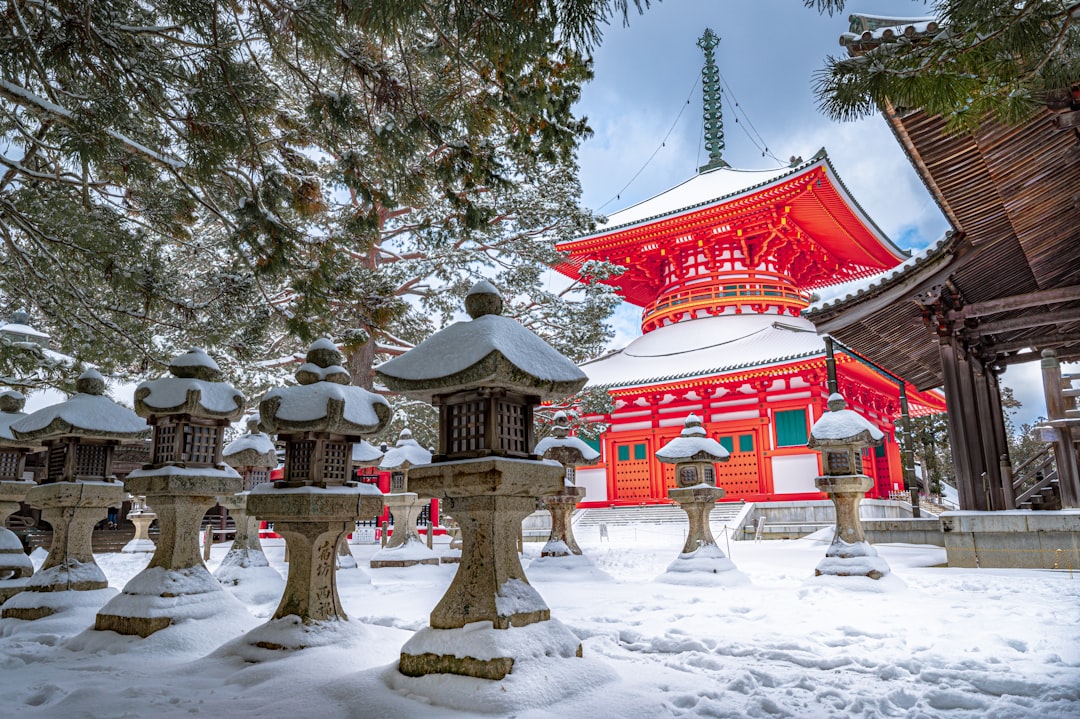
Planning a trip to Japan’s snow country for the 2026 New Year holidays? Whether you’re heading to Hokkaido’s powder resorts, the Japan Alps, Tohoku’s onsen towns, or the snowy backstreets of Kanazawa, packing correctly can make or break your trip. The New Year period (typically December 28 to January 4) brings sub-zero temperatures, heavy snowfall, and massive domestic travel crowds as locals return home and flock to shrines for hatsumode (the first shrine visit of the year). This comprehensive guide covers everything you need to pack, plus practical strategies for beating the crowds and navigating Japan’s transport system in winter 2026.
Understanding Japan’s Snow Region Winter Climate
Japan’s snow regions—Hokkaido, Tohoku, Nagano, Niigata, and parts of the Hokuriku coast—experience genuinely harsh winters. Sapporo averages between -7°C and 0°C in late December, while mountain resort towns like Niseko, Hakuba, and Zao can dip even lower at night. Coastal areas like Kanazawa and Toyama see less extreme cold but heavier, wetter snow and biting winds. Unlike Tokyo or Osaka, where winter is merely chilly, these regions demand serious cold-weather gear. Always check the Japan Meteorological Agency’s forecast a few days before departure, as conditions change quickly during the New Year window.
The Layering System: Your Foundation for Warmth
The single most important packing principle for snow region travel is layering. Japanese homes, trains, and accommodations are often overheated indoors while it’s freezing outside, so you’ll be adding and removing layers constantly.
- Base layer: Merino wool or synthetic thermal tops and leggings (brands like Uniqlo HEATTECH are excellent and available cheaply once you arrive in Japan).
- Mid layer: A fleece or lightweight down sweater for insulation.
- Outer layer: A waterproof, windproof winter coat—ideally one rated for genuine snow conditions, not just a fashion parka. Look for coats with a hood.
- Bottoms: Thermal leggings under water-resistant pants; jeans alone are a poor insulator when wet.
Pro tip: Pack HEATTECH or similar thermal layers from home, but consider buying an extra down jacket or thicker socks in Japan itself—Japanese winter gear is specifically engineered for this climate and often cheaper than importing your own.
Footwear: Don’t Underestimate Ice and Slush
Nothing ruins a snow trip faster than slipping on icy pavement or having wet, freezing feet all day. Bring or buy waterproof winter boots with good tread—look for a sole rated for snow and ice grip. If you’re visiting ski towns like Niseko or Hakuba, snow boots are non-negotiable. For city sightseeing in snowy regions like Sapporo or Aomori, compact ice grippers (traction cleats) that slip over your shoes are a lifesaver on icy sidewalks and are sold cheaply at Japanese convenience stores and home goods shops. Pack at least two pairs of thick wool socks and consider disposable toe warmers for extra-long outdoor days.
Accessories That Make a Real Difference
- Insulated gloves: Touchscreen-compatible gloves let you use your phone for maps and IC card payments without exposing bare hands.
- Warm hat and neck gaiter or scarf: Heat loss through the head and neck is significant in windy, snowy conditions.
- Hand and foot warmers (kairo): These disposable heat packs are a Japanese winter essential, sold everywhere from convenience stores to drugstores, and incredibly cheap.
- Sunglasses: Snow glare on bright days can be intense, especially in the mountains.
- Lip balm and moisturizer: Cold, dry air is brutal on skin.
Onsen and Ryokan Packing Considerations
A New Year trip to a snow region often includes a stay at a hot spring ryokan—arguably the best way to warm up after a day in the snow. Pack a small toiletry bag since most ryokan provide yukata robes and basic amenities, but bring your own skincare if you have specific needs. If you have tattoos, research tattoo-friendly onsen in advance or pack waterproof cover-up patches, as many traditional establishments still restrict visible tattoos. A quick-dry travel towel is handy for smaller public bathhouses that don’t provide one.
Electronics and Cold-Weather Device Care
Cold temperatures drain phone and camera batteries far faster than usual. Pack a portable power bank and keep your phone in an inner jacket pocket when not in use. If you’re bringing a camera for the snowscapes, allow it to acclimate gradually when moving between cold outdoor air and warm indoor spaces to prevent condensation damage.
Crowd Avoidance Strategies for the New Year Period
The New Year holiday is one of Japan’s busiest domestic travel periods, rivaling Golden Week. Shinkansen and local trains to popular snow destinations sell out days in advance, and hatsumode shrine visits on January 1-3 draw enormous crowds at famous sites like Sapporo’s Hokkaido Shrine. To navigate this smoothly: book shinkansen reserved seats and accommodation at least two to three months ahead; consider visiting major shrines for hatsumode slightly later, on January 4-7, when crowds thin dramatically but the New Year atmosphere remains; and if visiting ski resorts, arrive a day before New Year’s Eve to secure lift tickets and equipment rental before the peak rush of January 1-3.
Getting Around: JR Pass, IC Cards, and Winter Transport in 2026
As of 2026, the Japan Rail Pass remains priced at the rate set in October 2023, with the 7-day ordinary pass costing 50,000 yen, the 14-day pass at 80,000 yen, and the 21-day pass at 100,000 yen (adult pricing). For snow region trips involving long shinkansen journeys—like Tokyo to Sapporo via the Hokkaido Shinkansen extension, or Tokyo to Nagano—calculate whether the pass saves you money based on your itinerary. During the New Year period specifically, always reserve seats well in advance, as non-reserved cars fill up fast.
For local transport, IC cards like Suica and Pasmo remain essential. As of 2026, most international visitors can add Suica or Pasmo directly to their iPhone or compatible Android device via mobile wallet apps, or purchase a physical Welcome Suica card at major airports, which doesn’t require a refundable deposit like standard cards. Note that in snow regions, some regional buses and smaller train lines may still be cash-only, so carry some yen alongside your IC card.
Tax-Free Shopping for Winter Gear
If you need to buy additional cold-weather gear once in Japan, remember that Japan’s consumption tax remains at 10% as of 2026. Tax-free shopping is available at eligible stores for purchases over 5,000 yen (before tax) per person per day, provided you show your passport at checkout. This applies to items like winter coats, boots, and electronics, but not consumables like food or drinks unless purchased at designated tax-free areas—so stocking up on kairo warmers won’t qualify, but a new down jacket will.
Sample Packing Checklist for Snow Region New Year Travel
- Waterproof, insulated winter coat and snow boots
- 3-4 thermal base layer sets
- Fleece or down mid-layer
- Wool socks (at least 4 pairs)
- Insulated, touchscreen-friendly gloves
- Warm hat, scarf or neck gaiter
- Ice grip traction cleats for shoes
- Hand/foot warmer packs (or buy locally)
- Portable phone charger/power bank
- Sunglasses for snow glare
- Lip balm and moisturizer
- Small toiletry bag for ryokan stays
- Physical yen cash for rural transport
Final Thoughts
A New Year trip to Japan’s snow regions in 2026 offers unforgettable experiences—powder skiing in Niseko, steaming onsen surrounded by snowdrifts, and the serene beauty of shrines dusted in white for hatsumode. With the right layered clothing, proper footwear, and a solid understanding of holiday crowd patterns and current transport pricing, you’ll stay warm, comfortable, and stress-free while everyone around you battles the cold unprepared. Book your reserved seats early, pack smart, and check official JMA and JR updates closer to your travel dates for the latest 2026 conditions.
Photo by Samuel Berner on Unsplash