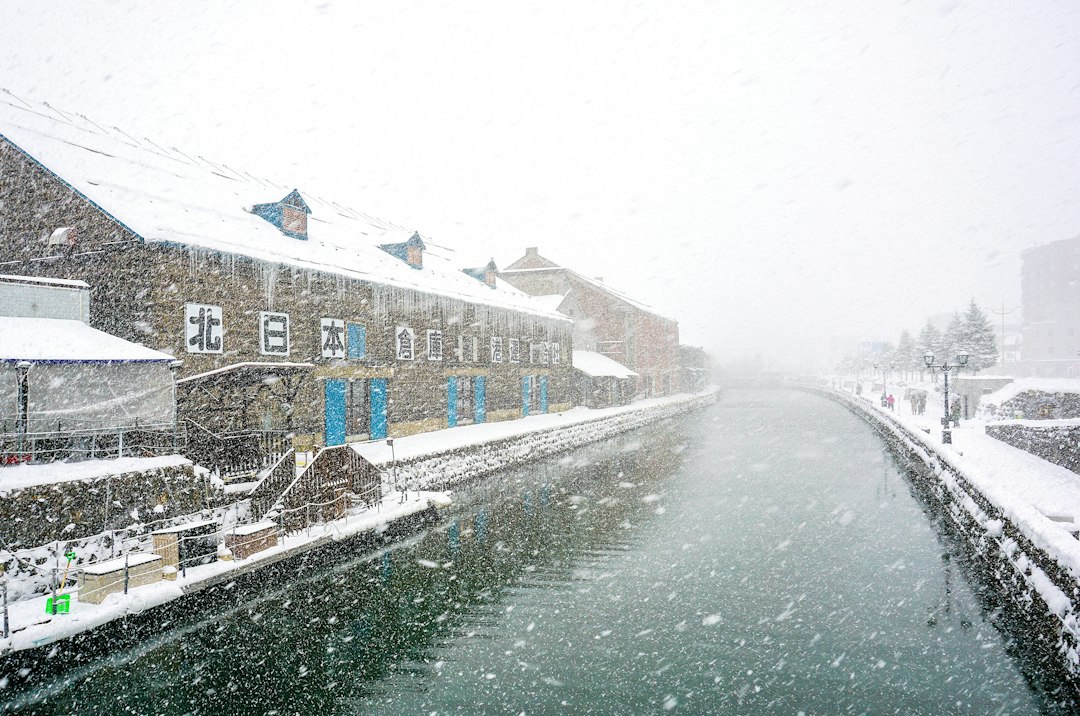
Hokkaido in winter is one of Japan’s most magical destinations, especially during the year-end and New Year holiday season when snow festivals, illuminated streets, and steaming hot springs draw travelers from around the world. But before you book that flight to Sapporo, Otaru, or Niseko for winter 2026, you need to understand exactly what to wear in Hokkaido winter snow travel conditions. Temperatures regularly plunge to -10°C to -20°C (14°F to -4°F), and wind chill near the coast or on ski slopes can make it feel even colder. This guide breaks down the essential layering system, footwear, accessories, and shopping tips you need for a comfortable, safe, and stylish Hokkaido winter adventure.
Understanding Hokkaido’s Winter Climate
Unlike Tokyo or Osaka, where a warm coat may suffice, Hokkaido’s winter is a different beast entirely. From December through February, average daytime highs in Sapporo hover around -1°C to 0°C, while nighttime lows frequently drop below -10°C. Areas like Asahikawa and Niseko can be even colder. Snowfall is heavy and constant, meaning you’ll be walking on compacted ice and fresh powder daily. If you’re visiting around New Year’s for hatsumode (the first shrine visit of the year) or to see the Sapporo Snow Festival lights, expect crowds bundled up in serious winter gear — you should be too.
Why Layering Is Non-Negotiable
The single most important principle for what to wear in Hokkaido winter is layering. Rather than relying on one thick coat, you want three functional layers that work together and can be adjusted as you move between freezing outdoor streets and overheated indoor train stations, restaurants, and shopping malls.
The Three-Layer System Explained
1. Base Layer (Moisture-Wicking Thermal Wear)
Your base layer sits against your skin and should wick away sweat while retaining body heat. This is where Japanese brand Uniqlo’s Heattech line shines — it’s affordable, widely available in every major Hokkaido city, and genuinely effective. Look for:
- Heattech or merino wool long-sleeve tops and leggings
- Thermal socks (bring at least 3-4 pairs)
- Avoid cotton entirely — it traps moisture and makes you colder
2. Mid Layer (Insulation)
This layer traps warm air close to your body. Fleece jackets, down vests, or a light down jacket work well here. If you’re traveling light, a compressible down jacket packs small but delivers serious warmth — perfect for layering under a shell.
3. Outer Layer (Windproof and Waterproof Shell)
Your outermost layer must block wind and repel snow/moisture. A long, insulated parka rated for extreme cold (look for ratings down to -20°C) is ideal. Ski jackets work well if you’re heading to Niseko or Furano for skiing, while a longer wool-blend coat with a windproof lining suits city sightseeing in Sapporo or Otaru.
Footwear: The Most Important Decision You’ll Make
More travelers underestimate footwear than any other item. Hokkaido’s sidewalks are often compacted ice, and regular sneakers or fashion boots will leave you slipping constantly.
- Insulated, waterproof winter boots with a thick rubber sole and deep treads are essential — brands like Sorel, Columbia, or Japanese brand Moonstar’s winter line work well
- Ice grip attachments (“suberidome”) — inexpensive slip-on spikes sold at convenience stores and drugstores across Hokkaido for around ¥500-¥1,000, and genuinely life-saving on icy pavement
- Wool or thermal socks — bring extras since wet socks from snow exposure are common
- Avoid leather dress shoes or thin sneakers entirely, even for “just walking around town”
Accessories You Cannot Skip
Beyond the layering system, small accessories make an enormous difference in comfort:
- Insulated gloves or mittens — mittens are warmer than gloves since fingers share heat, but touchscreen-compatible gloves are convenient for photos
- A warm hat or beanie covering your ears — a huge percentage of body heat escapes through your head
- A thick scarf or neck gaiter — protects your face from biting coastal winds, especially in Otaru or Hakodate
- Hand and foot warmers (kairo) — disposable heat packs sold everywhere in convenience stores like Seicomart, Lawson, and 7-Eleven for under ¥150 each; stock up before heading outdoors
- Sunglasses or tinted goggles — snow glare on sunny days is intense, particularly around ski resorts
- Lip balm and moisturizer — Hokkaido’s dry, cold air is brutal on skin
Special Considerations for New Year and Snow Festival Crowds
If your trip coincides with the year-end and New Year holiday period (late December through early January), be prepared for two things: extreme cold snaps and heavy crowds at shrines for hatsumode and at illumination displays in Sapporo’s Odori Park. Practical tips for this season include:
- Visit popular hatsumode shrines like Hokkaido Jingu very early morning (before 8am) or late evening to avoid the biggest crowds while dressed in your warmest layers, since standing in line outdoors for 30+ minutes in sub-zero temperatures requires serious insulation
- Book accommodations with laundry facilities or dryers, since drying wet winter gear overnight is essential when you’re layering daily
- Consider visiting the Sapporo Snow Festival (held early February, just after New Year’s) on weekdays rather than weekends to avoid the largest crowds while conditions are equally cold
- Pack an extra base layer and socks specifically for New Year’s Eve/Day activities since you may be outdoors for extended periods
Where to Buy Winter Gear in Hokkaido (If You Forget Something)
Don’t panic if you arrive underprepared — Hokkaido is extremely well equipped for winter shopping. Uniqlo stores throughout Sapporo carry Heattech and affordable down jackets. Workman, a Japanese work-wear chain, offers surprisingly stylish and cheap cold-weather gear at budget prices. Don Quijote and local drugstores stock hand warmers, ice grips, and thermal socks. For higher-end ski gear, Niseko and Furano have specialty shops catering to international skiers.
Sample Packing List for Hokkaido Winter Travel 2026
- 3-4 Heattech or thermal base layer sets
- 1-2 fleece or down mid-layers
- 1 heavy insulated, windproof parka or ski jacket
- Waterproof insulated winter boots + ice grips
- 5-6 pairs of wool/thermal socks
- Warm hat, scarf/gaiter, insulated gloves
- Hand and foot warmers (buy locally, very cheap)
- Sunglasses, lip balm, moisturizer
- A lightweight daypack for carrying extra layers indoors
Final Thoughts
Knowing what to wear in Hokkaido winter snow travel is the difference between a magical, comfortable trip and a miserable, freezing one. Layer strategically, invest in proper footwear with grip, and don’t underestimate accessories like hand warmers and ear coverage. Whether you’re chasing powder in Niseko, exploring Sapporo’s winter illuminations, or lining up for hatsumode as the New Year begins, dressing correctly lets you focus on enjoying one of Japan’s most spectacular seasonal destinations. As always, check official Japan Meteorological Agency forecasts closer to your travel dates in 2026, as conditions can shift rapidly during peak winter months.
Photo by Yuri Li on Unsplash