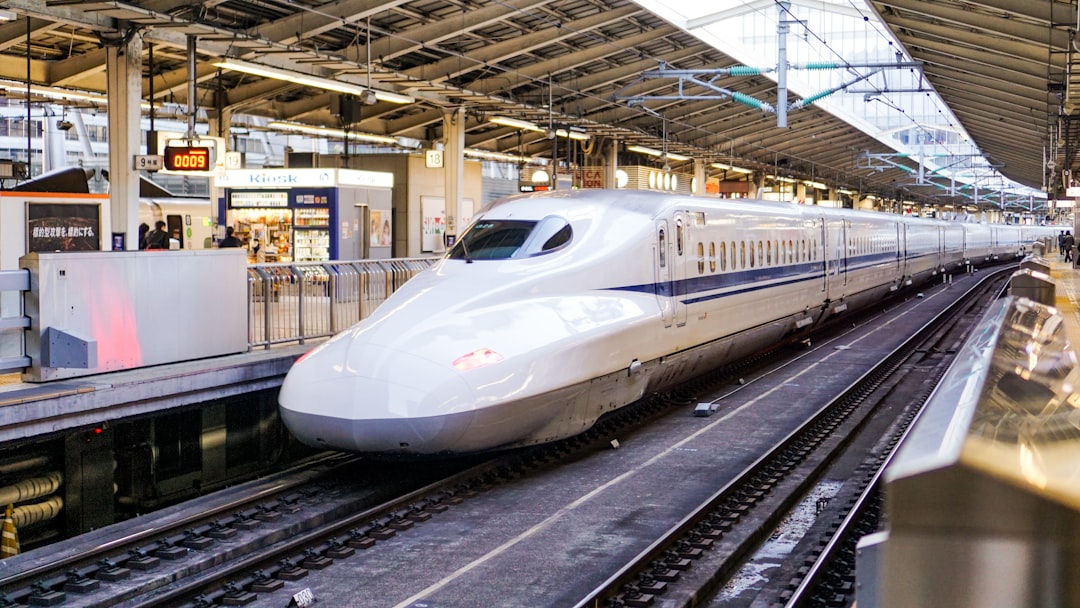
Planning a trip to Japan in 2026 and wondering whether the iconic Japan Rail Pass is still worth the splurge, or whether a cheaper regional pass will serve you better? You’re not alone. Since the nationwide JR Pass price hike in October 2023, travelers have had to do a lot more math before buying. This guide breaks down the current 2026 pricing, coverage, and real-world scenarios so you can decide with confidence whether to go nationwide, regional, or skip a pass altogether.
JR Pass Nationwide: What You Get in 2026
The nationwide Japan Rail Pass covers almost all JR trains across the country, including most Shinkansen lines (excluding Nozomi and Mizuho on the Tokyo–Hakata route), JR buses, and the JR Miyajima ferry. As of 2026, the ordinary class prices remain at the post-2023 rate:
- 7-day pass: ¥50,000 (adult), ¥25,000 (child)
- 14-day pass: ¥80,000 (adult), ¥40,000 (child)
- 21-day pass: ¥100,000 (adult), ¥50,000 (child)
- Green Car (first class) versions cost roughly ¥10,000-¥20,000 more depending on duration
These passes must be purchased before or after arrival (exchange offices exist at major airports and stations), and you should always confirm current pricing on the official Japan Rail Pass website, as rates are periodically reviewed.
Regional and Area Passes: The Budget-Friendly Alternative
After the 2023 price increase, many travelers realized the nationwide pass only pays off if you’re covering huge distances in a short time. This is where regional passes shine. Japan’s six JR companies (JR East, JR West, JR Central, JR Hokkaido, JR Kyushu, and JR Shikoku) each offer their own multi-day passes covering specific regions. Popular 2026 options include:
- JR East: Tokyo Wide Pass - 3 days, around ¥15,000, covers Tokyo, Nikko, Karuizawa, GALA Yuzawa, and Narita Airport access.
- JR West: Kansai Area Pass - 1-4 days, from about ¥2,800 to ¥7,000, covering Osaka, Kyoto, Kobe, and Nara.
- JR West: Sanyo-San’in Area Pass - 7 days, ideal for Hiroshima, Okayama, and Tottori loops.
- JR Kyushu: All Kyushu Rail Pass - 3 or 5 days, great for Fukuoka, Nagasaki, Kumamoto, and Kagoshima.
- JR Hokkaido Rail Pass - flexible day passes, useful for Sapporo, Furano, and Hakodate trips.
Regional passes are typically cheaper, often include reserved seat bookings for regional Shinkansen and limited express trains, and require less advance planning since many can be bought on the day of travel.
Head-to-Head: Nationwide vs Regional
Cost Efficiency
If your itinerary is a single loop like Tokyo-Kyoto-Osaka-Tokyo, a 7-day nationwide pass at ¥50,000 might just barely break even compared to buying individual Shinkansen tickets (a round trip Tokyo-Kyoto alone costs around ¥28,000-¥29,000 one-way on the Nozomi, or slightly less on Hikari/Kodama, which are pass-eligible). For most travelers doing a classic Golden Route trip, individual tickets or a regional pass combo can now be cheaper than the nationwide pass, a big shift from pre-2023 pricing.
However, if you’re planning a multi-region trip like Tokyo to Hokkaido to Kyushu within two to three weeks, the nationwide pass still wins decisively, since long-distance Shinkansen fares add up fast.
Flexibility
Nationwide passes offer unmatched freedom to hop between regions without worrying about which company’s trains you’re on. Regional passes lock you into a geographic zone, which is perfect if your trip is concentrated in Kansai, Kyushu, or Tohoku, but restrictive if you want to explore multiple corners of Japan.
Reservation Convenience
Both pass types now support seat reservations through the JR East and JR West official apps and websites, reducing the need to queue at ticket counters. As of 2026, most JR companies have expanded English-language digital reservation systems, making it easier than ever to reserve Shinkansen seats in advance, especially useful during peak seasons like cherry blossom season and Golden Week.
When Should You Choose the Nationwide Pass?
- You’re visiting three or more distant regions (e.g., Tokyo, Kansai, and Kyushu or Hokkaido) within your pass validity window.
- You plan to take multiple long-distance Shinkansen rides, especially Tokyo to Hiroshima, Hakata, or Aomori.
- You value simplicity over micromanaging separate regional tickets.
When Should You Choose a Regional Pass?
- Your trip focuses on one area, such as Kansai (Kyoto-Osaka-Nara-Kobe) or Kyushu.
- You’re staying in Japan for a short trip (under a week) concentrated in a compact region.
- You want a cheaper option and don’t need bullet train access to far-flung destinations.
Don’t Forget IC Cards for Short Trips
For travelers not doing heavy long-distance rail travel, IC cards like Suica and Pasmo remain indispensable for subways, local buses, and convenience store purchases. As of 2026, the mobile Suica and Pasmo apps support many international credit cards directly through Apple Pay and Google Pay, meaning you can add a virtual card to your phone before even landing in Japan. Physical IC cards are also widely available again at station kiosks after supply shortages eased in recent years, though checking current availability at Narita, Haneda, or Kansai airport counters is still wise, especially during high season.
Practical Tips for 2026 Travelers
- Compare your planned itinerary cost using the official Japan Rail Pass fare calculator and regional pass websites before buying anything.
- Remember that as of 2026, most short-term visitors from eligible countries can enter Japan visa-free for tourism stays up to 90 days, but always check the latest Ministry of Foreign Affairs guidelines for your nationality since rules can change.
- Japan’s consumption tax remains at 10%, and tax-free shopping is available for tourists spending over ¥5,000 at participating stores when you present your passport at checkout; keep receipts as spot checks at airport departure counters have become more common.
- Combine a regional pass with a few point-to-point Shinkansen tickets rather than defaulting to the nationwide pass, since this hybrid approach often saves money for two-region itineraries.
- Purchase passes and reserve seats through official JR websites or authorized agents to avoid counterfeit vouchers, and always verify current prices since JR companies periodically adjust rates.
Final Verdict
In 2026, the days of the nationwide JR Pass being an automatic default purchase are over. With prices roughly 60-70% higher than before October 2023, the pass only makes clear financial sense for multi-region, long-distance itineraries. For most travelers sticking to Kansai, Kyushu, Tokyo-area day trips, or Hokkaido loops, a regional pass paired with an IC card will likely save you money while still delivering the classic Japan rail experience. Do the math for your specific itinerary before you buy, and you’ll travel smarter and cheaper across Japan.
Photo by Fikri Rasyid on Unsplash