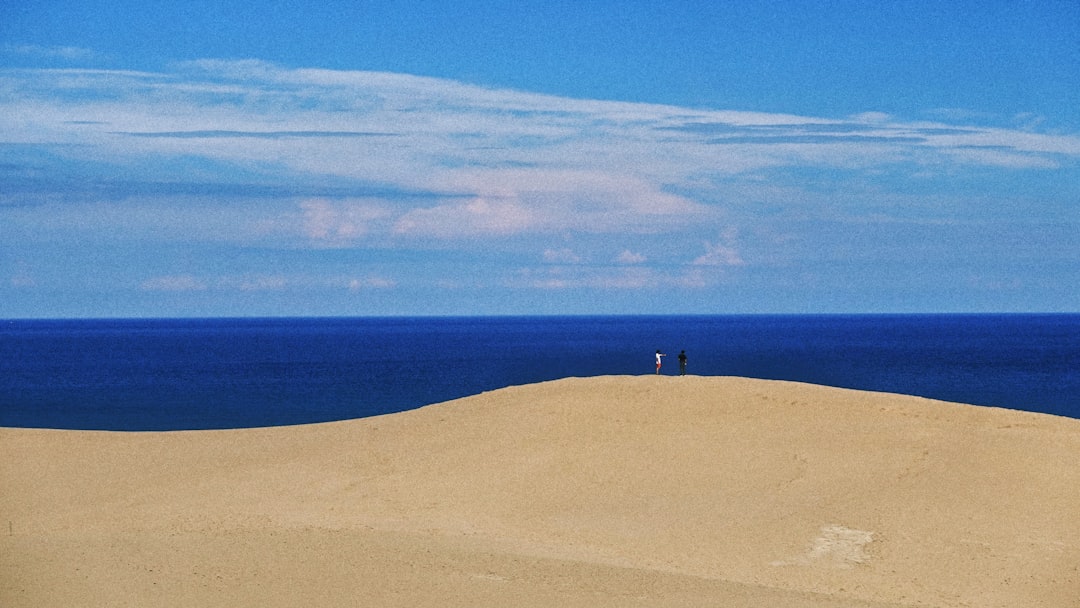
Discovering Tottori Sand Dunes: Japan’s Most Underrated Landscape
Ask most travelers to picture Japan and they’ll conjure images of neon-lit Tokyo crossings, Kyoto’s crowded temple paths, or Osaka’s bustling food streets. Few will mention a rolling sea of golden sand stretching toward the Sea of Japan. Yet the Tottori Sand Dunes, tucked away in one of Japan’s least visited prefectures, offer exactly that surprise. This is Japan’s only large-scale coastal dune system, and despite being a designated natural monument, it remains refreshingly free of the overtourism plaguing Japan’s headline destinations.
This guide goes beyond the standard postcard shot of the dunes to show you how to explore Tottori like a local, avoid the tour-bus crowds, and uncover the quieter corners of this coastal region that most guidebooks skip entirely.
Why Tottori Deserves a Spot on Your Itinerary
Tottori is Japan’s least populous prefecture, which means fewer people, fewer crowds, and a slower pace everywhere you go. The dunes themselves cover roughly 30 square kilometers, but the vast majority of visitors cluster around the same small entrance area near the Sakyu Center. Walk just fifteen minutes further and you’ll often find yourself completely alone on the sand, with only the wind and distant waves for company.
Because Tottori sits off the main Tokyo-Osaka-Kyoto tourist corridor, it naturally avoids the seasonal overcrowding seen in Japan’s golden route cities. Choosing Tottori is itself a form of responsible, regionally dispersed travel that supports a quieter local economy while giving you a far more authentic experience.
Best Times to Visit for a Crowd-Free Experience
- Early morning (sunrise to 8am): The dunes are at their most photogenic when the low light rakes across the sand ripples, and almost no one else is around.
- Late afternoon into sunset: Tour groups typically leave by mid-afternoon, so the last two hours before closing offer soft light and near-total solitude.
- Weekdays over weekends: Domestic day-trippers from nearby Okayama and Hiroshima tend to visit on weekends, so a Tuesday or Wednesday visit dramatically thins the crowds.
- Off-peak seasons: Late autumn and winter bring a starkly beautiful, wind-sculpted dune landscape, occasionally dusted with snow, with a fraction of the summer visitor numbers.
Skip the Main Entrance
Most visitors enter via the Sakyu Center parking area, which funnels everyone onto the same well-trodden path. Instead, look for the smaller entrances near the eastern and western fringes of the dune area, accessible by local bus or a short taxi ride. These access points see a tiny fraction of the foot traffic and lead to equally stunning, untouched dune formations.
Hidden Spots Within the Dune Area
Ao-no-Ike (Blue Pond) and the Western Dunes
Beyond the main sand hill, quieter western sections of the dunes hide small seasonal ponds and grass-tufted ridges rarely photographed by casual visitors. The light here reflects differently off the sand due to mineral content, creating subtle color shifts throughout the day.
Uradome Coast
Just a short drive from the dunes, the Uradome Coast is a dramatic stretch of cliffs, sea caves, and emerald water that receives only a fraction of the dunes’ visitor numbers. A short boat cruise or kayak tour here reveals hidden grottoes accessible only by water, making it one of the best-kept secrets in the San’in region.
Sand Dune Geopark Trails
Rather than sticking to the flat photo-op areas, follow the marked geopark trails that wind through vegetated dune zones. These paths are used mostly by researchers and local hikers, offering an entirely different, botanically rich perspective on the dune ecosystem.
Beyond the Dunes: Underrated Nearby Attractions
- Mount Mitoku (Sanbutsuji Temple): A cliffside temple hall built into a sheer rock face, reachable via a genuinely adventurous hike. Far fewer visitors make the trek here compared to Japan’s famous mountain temples, yet the payoff view rivals anything in Kyoto.
- Kotoura and the Coastal Fishing Villages: Wander narrow lanes lined with drying fish and small family-run izakaya where menus are often handwritten and untranslated—an experience increasingly rare in more touristed coastal towns.
- Yumigahama Peninsula: A long sandy peninsula perfect for cycling, with panoramic views of Mount Daisen rising over the coastline. Bike rentals are cheap and the roads are nearly empty.
- Tottori City’s Old Merchant Streets: A compact historic district with Edo-period architecture, sake breweries, and small museums that see only a trickle of foreign visitors.
Practical Tips for Exploring the Dunes
- Sandboarding and paragliding: Rental shops near the entrance offer boards and paragliding sessions; booking directly on arrival (rather than in advance) usually secures a spot with no wait.
- Camel rides: A novelty photo opportunity near the main entrance, best done early to avoid queues.
- Footwear: Sand gets remarkably hot in summer, so bring closed shoes or sandals with straps; bare feet are only comfortable in early morning or evening.
- Water and shade: There is minimal shade once you’re deep in the dunes, so carry more water than you think you’ll need, especially in summer.
- Photography: A wide-angle lens captures the scale of the dunes best, while a telephoto lens helps isolate the sand ripple patterns for more artistic shots.
How to Get There Without the Crowds
Tottori Airport connects directly to Tokyo, making a low-key regional entry point that bypasses the busier Kansai gateways entirely. Alternatively, combine a Tottori visit with a broader San’in region itinerary by taking a scenic train from Okayama or Himeji, both of which are far less congested transit hubs than Kyoto or Osaka Station. Renting a car in Tottori City is highly recommended, as it opens up access to the quieter dune entrances, the Uradome Coast, and inland temple villages that public transport reaches only sparingly.
Spreading your itinerary across these less-trafficked routes not only makes for a smoother trip but also directly supports regional dispersion efforts that help ease pressure on Japan’s most congested destinations.
Where to Eat and Stay
Local specialties worth seeking out include matsuba crab in winter, Tottori beef, and the region’s distinctive soba made with buckwheat grown in the dune’s mineral-rich soil. For accommodation, small family-run ryokan in Tottori City or seaside minshuku near Uradome offer a far more personal experience than the larger hotels found in bigger tourist cities, often at a noticeably lower price point.
Final Thoughts
The Tottori Sand Dunes prove that Japan’s most memorable landscapes aren’t always the most famous ones. By timing your visit thoughtfully, venturing beyond the main entrance, and pairing the dunes with nearby underrated attractions, you’ll experience a side of Japan that feels genuinely undiscovered. In a country increasingly grappling with overtourism, choosing destinations like Tottori isn’t just a smarter travel choice—it’s a quietly meaningful one.
Photo by Nakaharu Line on Unsplash