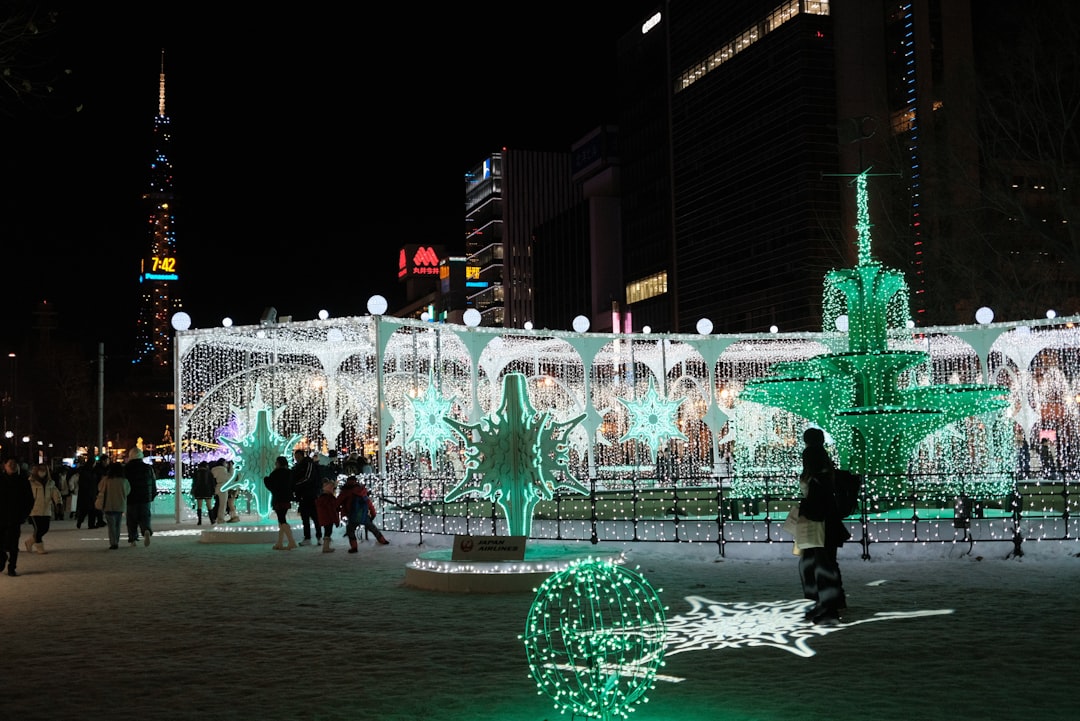
When the days grow short and the air turns crisp, Japan transforms into a glowing wonderland of winter illumination. From late November through February, cities and gardens across the country drape themselves in millions of LED lights, creating some of the most photogenic and romantic scenes in the world. Whether you’re planning a New Year’s holiday trip or a cozy winter break escape, catching a Japan light festival should be high on your itinerary. This guide covers the best winter illumination displays, when to see them, and how to enjoy them without freezing or fighting impossible crowds.
Why Winter Illumination Season Matters
Winter illumination (illumination, or ‘irumi’ in Japanese slang) began as a way to brighten the darkest, coldest months and has since become a beloved seasonal tradition, much like cherry blossom viewing in spring. Many displays open around late November and run through Valentine’s Day or early spring, meaning there’s a wide window to experience them even outside the hectic New Year’s rush. Because the season is so long, savvy travelers can enjoy world-class illumination without ever visiting during the most crowded weeks.
Top Winter Illumination Light Festivals in Japan
Kobe Luminarie
One of Japan’s most historically significant illumination events, Kobe Luminarie began as a tribute to the victims of the Great Hanshin Earthquake. Elaborate Italian-style light arches and domes illuminate the streets near Kobe’s waterfront, drawing huge crowds for its short annual run, typically in early December. Arrive on a weekday evening right at opening time to beat the density of visitors.
Tokyo Midtown and Roppongi Hills
Tokyo’s upscale Roppongi district glows every winter with the Roppongi Hills Christmas illumination and the Tokyo Midtown ‘Starlight Garden,’ often featuring blue LED tunnels that evoke a snowy, starlit sky. These displays are easily combined with shopping and dining, making them ideal for a half-day winter city outing.
Shibuya, Marunouchi, and Tokyo Station
The Marunouchi Illumination near Tokyo Station lines Naka-dori Avenue with warm golden lights reflecting off historic architecture, while Shibuya’s Blue Cave (Shibuya Aoi Doukutsu) creates a glowing blue tunnel through Yoyogi Park. Both are free, accessible by train, and stunning for evening photography.
Nabana no Sato (Mie Prefecture)
Widely considered one of the most spectacular illumination parks in Japan, Nabana no Sato near Nagoya uses millions of LEDs to create tunnels of light, reflective water displays, and a signature light-covered wisteria tunnel. Because it draws visitors from across the Chubu region, weekday visits and early arrival are strongly recommended to avoid long entry queues.
Ashikaga Flower Park (Tochigi Prefecture)
Famous for its wisteria in spring, Ashikaga Flower Park transforms in winter into a fantastical light garden often nicknamed a ‘flower fantasy.’ The illuminated wisteria trees and seasonal flower-themed light sculptures make this one of the most Instagrammed winter spots in the Kanto region.
Sapporo White Illumination
In snowy Hokkaido, the Sapporo White Illumination pairs beautifully with the city’s famous Snow Festival season. Odori Park glows with warm-toned lights against a backdrop of real snow, offering a magical combination that’s hard to find anywhere else in Japan. Dress for serious cold if you plan to visit here.
Kyoto’s Seasonal Illuminations
While Kyoto is best known for autumn foliage, several temples and gardens host winter light-up events, including special nighttime illuminations at gardens like Shorenin or the Arashiyama Hanatouro, which combines lantern-lit streets with illuminated bamboo groves for a distinctly traditional Japanese winter atmosphere.
Combining Illumination with New Year’s Traditions
Many travelers time their trip around New Year’s, which means illumination season overlaps beautifully with hatsumode, the first shrine or temple visit of the New Year. After enjoying an evening light display, consider visiting a nearby shrine for a quieter daytime hatsumode visit a few days before or after January 1st, since the shrines themselves become extremely crowded on New Year’s Day and the days immediately following. Pairing an evening illumination walk with a low-key daytime shrine visit is a wonderful way to experience both modern and traditional sides of a Japanese winter.
Crowd Avoidance Strategies
- Visit on weekdays rather than weekends, especially avoiding the period from December 23 through January 3, when both illumination sites and hatsumode crowds peak simultaneously.
- Arrive right at opening time in the early evening, just as the sun sets, to enjoy a shorter wait and softer, more atmospheric lighting before full darkness brings the biggest crowds.
- Consider mid-January through February visits; illumination periods often extend well beyond New Year’s, and crowds thin out dramatically once the holiday rush ends.
- Choose lesser-known neighborhood illuminations over headline events like Kobe Luminarie if you prefer a peaceful stroll over a bucket-list photo opportunity.
- Book dinner reservations near illumination sites in advance, since popular restaurants near these areas fill quickly during peak winter weekends.
Cold-Weather Preparation Tips
Winter illumination viewing means standing or walking outdoors for extended periods after dark, often in temperatures near or below freezing. Preparation makes all the difference between a magical evening and a miserable one.
- Layer thermal base layers under your clothing, and choose a windproof outer coat, since wind chill near rivers, parks, and waterfronts (common illumination locations) can make temperatures feel far colder than forecast.
- Wear insulated, waterproof boots, especially in Hokkaido or Tohoku, where icy sidewalks are common near illumination venues.
- Bring disposable heat packs (kairo), sold cheaply at convenience stores throughout Japan, and tuck them into pockets, gloves, or boots for hours of warmth.
- Pack a thermos or plan to buy hot canned drinks from vending machines, which are widely available even in outdoor illumination areas.
- Wear gloves that allow smartphone use, since many light festivals encourage photography and you’ll want warm hands while capturing the scenery.
Photography Tips for Illumination Displays
For the best shots, arrive during ‘blue hour,’ the brief period after sunset when the sky still holds deep blue tones that contrast beautifully with warm LED lights. Bring a small tripod if the venue allows it, and set your camera or phone to night mode for sharper, less grainy images. Avoid using flash, which typically washes out the colorful lighting effects that make these displays so special.
Final Thoughts
Winter illumination light festivals capture something uniquely comforting about the Japanese winter: the way communities gather to bring warmth and beauty into the coldest, darkest season. Whether you’re wandering through a glowing wisteria tunnel at Ashikaga Flower Park, admiring snow-dusted lights in Sapporo, or strolling Tokyo’s illuminated avenues after a New Year’s shrine visit, these evenings offer some of the most memorable moments of any Japan winter itinerary. Plan around the crowds, dress warmly, and let the lights guide you through an unforgettable winter break.
Photo by Dominic Kurniawan Suryaputra on Unsplash