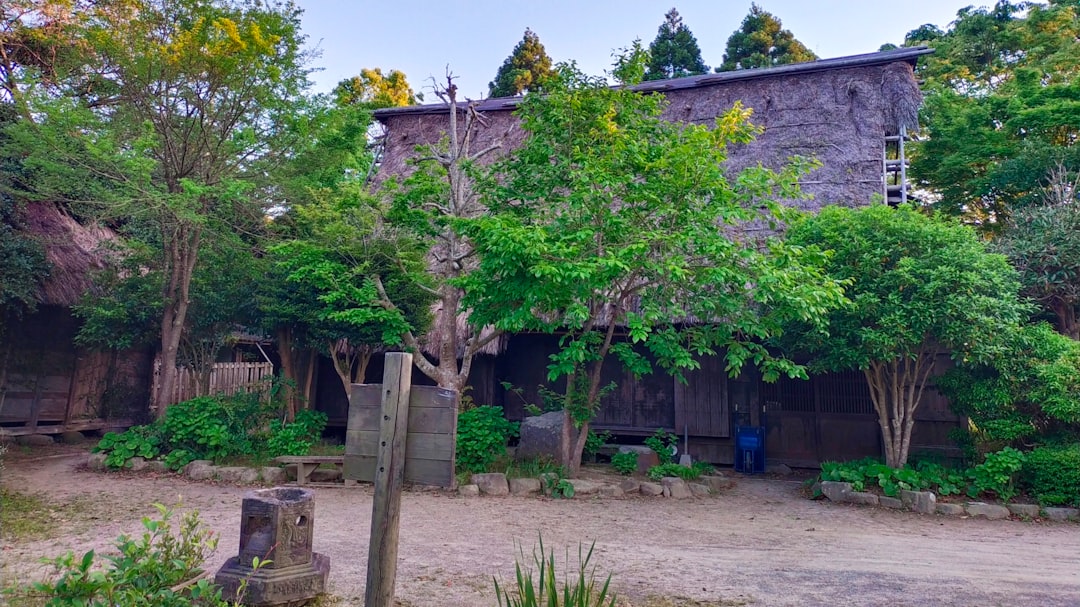

Photo by Umanoide on Unsplash
Why Venture Beyond Japan’s Cities
Tokyo’s neon skylines and Kyoto’s temple-lined streets rightfully draw millions of visitors, but the true soul of Japan often reveals itself in its countryside villages. Tucked between rice terraces, mountain passes, and quiet coastlines, these rural communities preserve centuries-old traditions, architecture, and ways of life that have all but disappeared from urban Japan. Visiting them offers a slower, more reflective travel experience—one filled with thatched-roof farmhouses, seasonal festivals, and genuine hospitality from locals who take pride in their heritage.
Whether you’re seeking dramatic natural scenery, living folk museums, or simply a break from crowded tourist circuits, Japan’s countryside villages deliver an unforgettable contrast to city life. Below is a curated list of villages worth adding to your itinerary, along with tips on how to make the most of your visit.
Shirakawa-go and Gokayama, Gifu and Toyama Prefectures
Perhaps the most iconic of Japan’s rural destinations, Shirakawa-go and neighboring Gokayama are UNESCO World Heritage Sites famous for their gassho-zukuri farmhouses—steeply thatched roofs designed to withstand heavy snowfall. Walking through these villages feels like stepping into a storybook, especially in winter when the rooftops are blanketed in snow and illuminated for evening viewing.
Many farmhouses have been converted into museums, craft workshops, and guesthouses, allowing visitors to sleep inside a centuries-old structure and experience traditional irori (sunken hearth) dining. Spring and autumn also offer stunning visuals, with cherry blossoms or fiery foliage framing the thatched rooftops.
Tsumago and Magome, Nagano and Gifu Prefectures
These two post towns along the historic Nakasendo trail connect travelers to the Edo period, when merchants and samurai journeyed between Kyoto and Edo (modern Tokyo). Tsumago has banned visible power lines and vending machines to preserve its wooden facades, while Magome’s stone-paved streets climb a scenic hillside dotted with waterwheels and small shops.
The hike between the two towns takes roughly three hours through forested mountains and takes travelers past waterfalls, shrines, and rest stops where tea is often served for free. It’s an ideal way to combine light hiking with cultural immersion.
Ouchi-juku, Fukushima Prefecture
Once a bustling post town along a feudal-era trade route, Ouchi-juku retains its row of thatched-roof buildings now housing craft shops, soba noodle restaurants, and folk museums. Visitors can sample negi soba, a regional dish eaten using a whole green onion instead of chopsticks—a quirky tradition that adds fun to the meal.
The village is particularly magical in winter, when heavy snow transforms the thatched roofs into a monochrome wonderland, and locals sometimes host snow festivals with illuminated lanterns.
Kurokawa Onsen, Kumamoto Prefecture
Kurokawa is a hot spring village that has intentionally avoided flashy development, opting instead for a rustic, unified aesthetic of wooden ryokan (traditional inns), stone pathways, and cedar forests. Visitors can purchase a nyuto tegata (bathing pass) that grants access to three different outdoor baths across the village, each offering a unique atmosphere and mineral composition.
Staying overnight in one of the traditional inns, complete with kaiseki (multi-course) dinners, is highly recommended to fully absorb the village’s tranquil charm.
Kayabuki no Sato, Kyoto Prefecture
Located in the Miyama area north of Kyoto city, Kayabuki no Sato is a small hamlet of thatched-roof farmhouses set against a backdrop of green mountains and rice fields. Unlike more famous thatched villages, Kayabuki no Sato remains relatively undiscovered by international tourists, offering a peaceful, uncrowded alternative.
Visitors can rent bicycles to explore the surrounding countryside, visit a small museum inside a preserved farmhouse, and enjoy homemade soba or mochi from local vendors.
Iya Valley, Tokushima Prefecture
Hidden deep within Shikoku’s mountainous interior, Iya Valley is one of Japan’s most remote and dramatic landscapes. Historically a refuge for defeated samurai clans, the valley is crossed by vine bridges (kazurabashi) that sway above rushing rivers—an adrenaline-inducing experience for adventurous travelers.
Scattered vacation cottages and traditional houses offer stays with sweeping views of steep gorges, making Iya Valley perfect for those wanting genuine isolation and unspoiled nature.
Shirakami-Sanchi Villages, Aomori and Akita Prefectures
Surrounding the Shirakami-Sanchi UNESCO World Heritage forest, small villages here serve as gateways to one of Japan’s last remaining primeval beech forests. Local guides lead nature walks to hidden waterfalls and emerald-colored lakes, while village inns serve mountain vegetables and river fish specific to the region.
These villages are ideal for nature lovers seeking hiking trails away from crowds, especially during the vibrant autumn foliage season.
Chiran, Kagoshima Prefecture
Chiran is known for its beautifully preserved samurai residences and gardens, offering insight into the lifestyle of feudal-era warriors. Stone walls, koi ponds, and meticulously trimmed hedges line the samurai quarter, creating an atmosphere of refined tranquility.
The town also holds historical significance related to World War II, with a museum dedicated to kamikaze pilots who trained nearby, adding a layer of poignant history to the visit.
Tips for Visiting Japanese Countryside Villages
- Rent a car when possible: Many villages have limited public transportation, and having your own vehicle allows flexibility to explore surrounding areas at your own pace.
- Stay overnight: Day trips are convenient, but staying in a local minshuku (family-run guesthouse) or ryokan provides deeper cultural immersion and access to home-cooked regional meals.
- Check seasonal events: Many villages host festivals, illuminations, or harvest celebrations tied to specific seasons, so research ahead to time your visit accordingly.
- Respect local customs: These villages are often still lived in by residents, not just open-air museums. Be mindful of noise, private property, and photography etiquette.
- Learn basic Japanese phrases: English may be limited in rural areas, so a few simple phrases go a long way in enhancing interactions with locals.
Final Thoughts
Japan’s countryside villages offer a window into a slower, more traditional way of life that contrasts beautifully with the country’s high-tech urban centers. From snow-capped thatched roofs to vine bridges swaying over misty gorges, each village tells its own story shaped by geography, history, and community resilience. For travelers willing to venture beyond the well-trodden path, these rural gems promise some of the most memorable and authentic experiences Japan has to offer.