Why Matsue Deserves a Spot on Your Japan Itinerary
If you’ve ever stood shoulder to shoulder with thousands of tourists trying to snap a photo of Kyoto’s Fushimi Inari torii gates, you already know the downside of Japan’s most famous destinations. Kyoto is undeniably beautiful, but its popularity has turned many of its temples and streets into crowded photo-ops rather than peaceful cultural experiences. Enter Matsue, the castle town capital of Shimane Prefecture on the quiet San’in coast of western Honshu. Matsue offers everything travelers love about Kyoto — a genuine castle, atmospheric samurai districts, serene gardens, and centuries of history — without the overwhelming crowds. It’s one of Japan’s true hidden gems, a place where you can explore at your own pace and actually feel the stillness that draws people to traditional Japan in the first place.
An Authentic Castle Town Without the Crowds
At the heart of Matsue stands Matsue Castle, one of only twelve original castles remaining in Japan and a designated National Treasure. Unlike reconstructed concrete castles found elsewhere, Matsue’s black-walled donjon dates back to the early Edo period and retains its original wooden structure. You can climb the steep interior staircases, examine centuries-old armor, and step out onto the top floor for sweeping views over Lake Shinji and the surrounding city — often with only a handful of other visitors sharing the moment.
Surrounding the castle is the Shiomi Nawate district, a beautifully preserved row of samurai residences shaded by pine trees along a quiet moat. This is also where you’ll find the former home of Lafcadio Hearn, the Greek-Irish writer who became one of the first Western interpreters of Japanese culture in the late nineteenth century. Wandering these lanes feels remarkably similar to strolling Kyoto’s Gion or Higashiyama districts, minus the souvenir shop crowds and rickshaw touts.
Lake Shinji: Japan’s Most Underrated Sunset
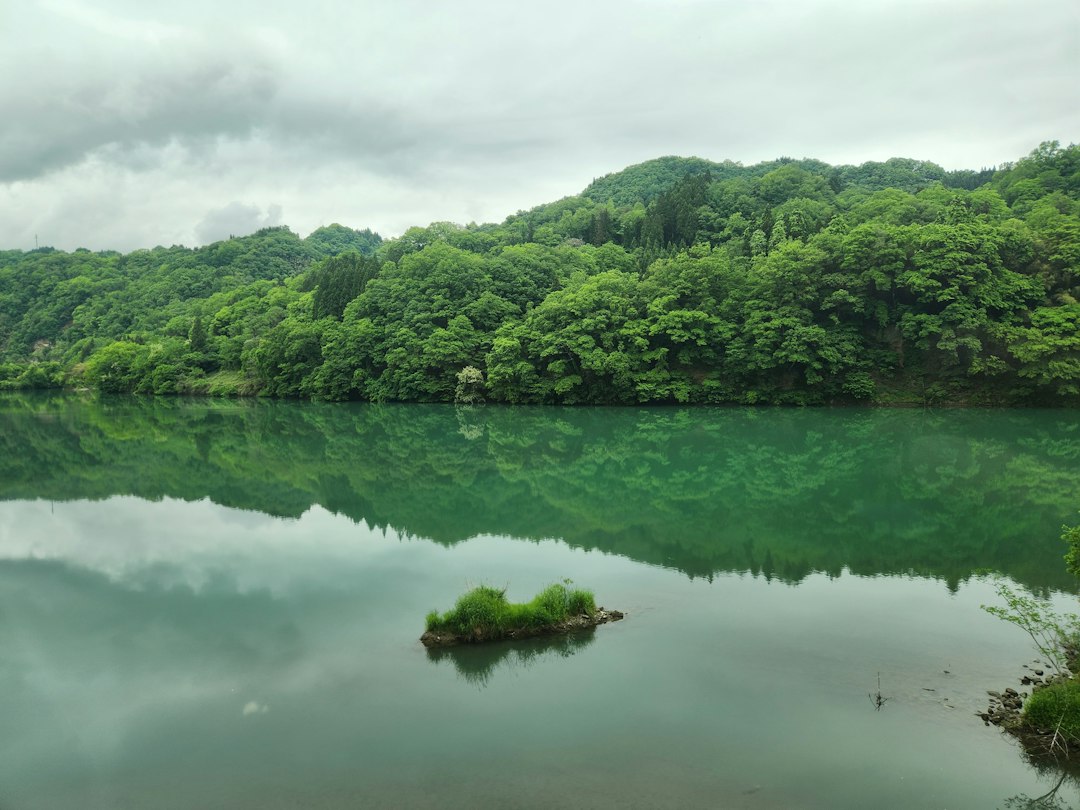
One of Matsue’s greatest natural assets is Lake Shinji, Japan’s seventh-largest lake, which borders the city center. Locals and savvy travelers gather along its shores each evening to watch the sun sink behind Yomegashima Island, painting the water in shades of orange and pink. Unlike sunset viewpoints in more famous cities, you won’t need to arrive an hour early to secure a spot. This is one of the simplest, most evergreen pleasures Matsue offers — no ticket required, no crowd control barriers, just a peaceful lakeside bench and a spectacular natural show that repeats every single day of the year.
The Adachi Museum of Art: A Garden Masterpiece
A short drive or bus ride from central Matsue brings you to the town of Yasugi, home to the Adachi Museum of Art. Its Japanese garden has repeatedly been ranked among the finest in the country by international gardening publications, yet it remains far less visited than Kyoto’s famous temple gardens like Ryoan-ji or Kinkaku-ji. The museum ingeniously frames its meticulously maintained landscapes like living paintings through large glass windows, blending art and nature seamlessly. Visiting here feels like discovering a secret that Kyoto crowds have simply overlooked.
Izumo Taisha: Japan’s Oldest Shrine, Minutes Away
Matsue’s location also makes it the perfect base for visiting Izumo Taisha, one of Japan’s oldest and most spiritually significant Shinto shrines, dedicated to the deity of marriage and good relationships. According to tradition, all of Japan’s eight million gods gather here every year during a month otherwise known elsewhere as the “godless month.” Despite its immense religious importance, Izumo Taisha rarely feels overrun, allowing visitors to appreciate its massive shimenawa rope and ancient wooden halls in a contemplative atmosphere rather than a tourist bottleneck.
Local Flavors You Won’t Find in Kyoto
Food lovers will find plenty to enjoy in Matsue’s regional specialties. The area is famous for:
- Izumo soba - hearty buckwheat noodles served in stacked lacquered trays called warigo soba, often topped with grated daikon, green onion, and a savory dashi-based sauce.
- Shijimi clam miso soup - tiny freshwater clams harvested from Lake Shinji, prized for their rich umami flavor and traditionally believed to be good for the liver.
- Matsue’s own tea ceremony culture - the city is one of Japan’s three major centers for tea ceremony traditions, alongside Kyoto and Kanazawa, and features numerous wagashi (traditional sweets) shops with centuries of history.
Because Matsue sees a fraction of Kyoto’s foreign visitor numbers, restaurants and tea houses tend to be more welcoming, unhurried, and often family-run for generations.
How to Get to Matsue
Matsue is more accessible than many travelers assume. From Osaka, the Yakumo limited express train takes roughly three and a half hours through scenic mountain scenery. There are also direct flights connecting Tokyo’s Haneda Airport to Izumo Airport, just a short bus ride from Matsue, making it easy to combine with a broader Japan itinerary. For travelers already exploring western Japan, Matsue pairs naturally with Hiroshima, Okayama, or Tottori, allowing for a full San’in and San’yo regional loop that avoids the overtouristed Golden Route entirely.
Practical Tips for Visiting Matsue
- Base yourself in central Matsue near the castle or Lake Shinji for easy walking access to major sights.
- Rent a bicycle - the city is compact and flat, making cycling between the castle, samurai district, and lakeside one of the most enjoyable ways to explore.
- Take a Horikawa Sightseeing Boat tour along the castle moat for a relaxed, low-crowd perspective of the town’s historic architecture.
- Visit on weekdays if possible, though even weekends here feel calm compared to Kyoto’s peak season crowds.
- Consider staying overnight at Tamatsukuri Onsen, a historic hot spring town just outside Matsue, believed to have therapeutic properties dating back over a thousand years.
Matsue vs Kyoto: An Honest Comparison
Kyoto remains an extraordinary city with unmatched density of world-famous sites, but that fame comes at a cost: long queues, crowded transportation, and photos filled with strangers. Matsue can’t replicate Kyoto’s sheer volume of UNESCO sites, but it delivers a more intimate, unhurried version of the same cultural experience — an original castle instead of a reconstruction, a garden ranked among Japan’s best, a genuinely ancient shrine, and streets where you can actually hear birds instead of tour guide megaphones. For travelers who have already seen Kyoto once, or who simply want to avoid crowds on this trip, Matsue offers a refreshing, authentic alternative that captures the same spirit of traditional Japan.
Final Thoughts
Matsue proves that some of Japan’s most rewarding travel experiences lie beyond the well-worn tourist trail. Its blend of an original castle, a stunning lakeside setting, world-class gardens, and warm regional hospitality make it an ideal destination for travelers seeking depth over crowds. Whether you’re planning a dedicated trip to the San’in region or looking to add an off the beaten path stop to your broader Japan itinerary, Matsue delivers an unforgettable, uncrowded alternative to Kyoto that feels like discovering Japan’s traditional charm all over again.
Photo by Yoel Winkler on Unsplash