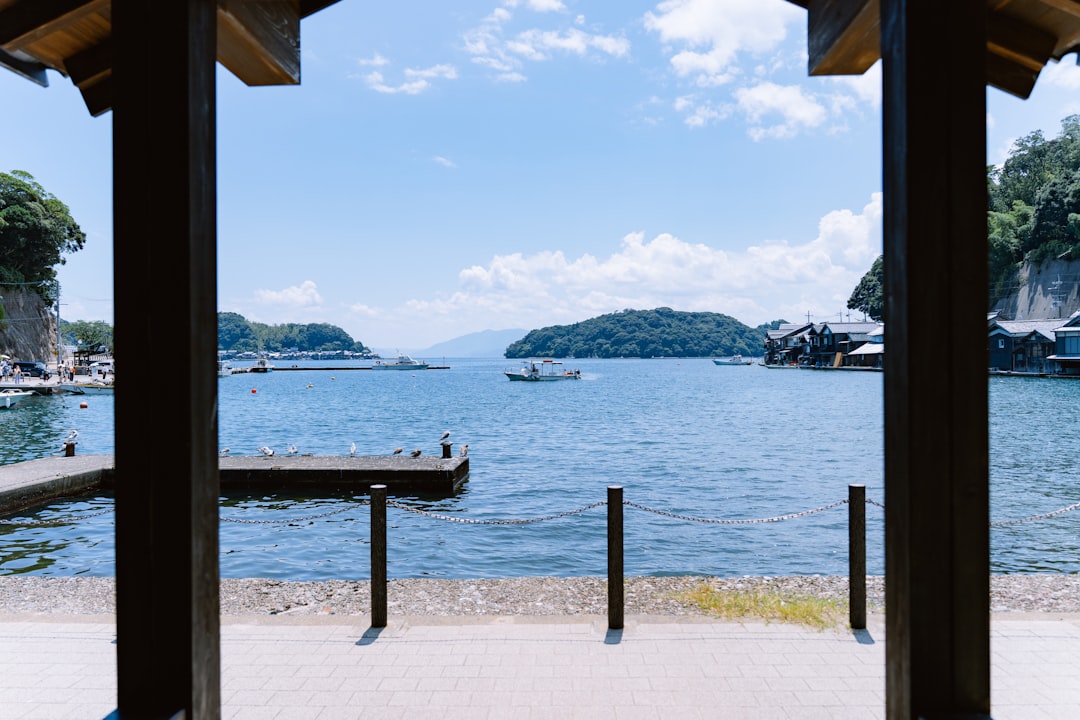
While Kyoto’s temples and Osaka’s neon streets dominate most itineraries, the true magic of western Japan often reveals itself along its quieter shorelines. Stretching from the Seto Inland Sea to the rugged San’in coast and down into Shikoku and Kyushu, western Japan is dotted with small coastal towns that feel frozen in time—places where fishing boats still chug into harbor at dawn, centuries-old townhouses line narrow lanes, and the pace of life moves with the tides. This guide highlights some of the most rewarding small coastal towns in western Japan for travelers seeking authenticity, scenery, and a break from the crowds.
Why Visit Western Japan’s Coastal Towns?
Western Japan, encompassing the Chugoku region, Shikoku, and parts of Kyushu, offers a different rhythm from the well-trodden Golden Route. The Seto Inland Sea alone is scattered with hundreds of islands and harbor towns that once thrived on shipping, fishing, and trade. Many of these towns preserve Edo-period streetscapes, retro Showa-era charm, or unique architectural quirks found nowhere else in Japan. Visiting them means fewer crowds, warmer hospitality, and a deeper sense of discovery.
1. Tomonoura, Hiroshima Prefecture
Tomonoura is often cited as one of the most beautiful port towns in Japan, and it’s easy to see why. With its stone harbor, historic lighthouse, and narrow lanes lined with sake breweries and merchant houses, Tomonoura feels like a living museum. The town also inspired scenes in Studio Ghibli’s Ponyo, and film fans will recognize its winding alleys and sea views. Climb up to Taichoro Temple for one of the finest harbor panoramas in the country, especially at sunset.
Highlights
- Homeikan and other preserved merchant houses
- Local sake tasting at century-old breweries
- Boat trips to nearby Sensuijima Island
2. Onomichi, Hiroshima Prefecture
Onomichi is a hillside port town famous for its temple walk, retro shopping streets, and status as the starting point of the Shimanami Kaido cycling route. Wander through the maze of stone stairways connecting temples, cafes, and old wooden houses, then reward yourself with a bowl of Onomichi ramen, known for its soy-based broth and back-fat flavoring. Cyclists flock here to begin the scenic ride across the Seto Inland Sea’s bridges toward Shikoku.
3. Ine, Kyoto Prefecture
Most travelers associate Kyoto with temples, not fishing villages, but Ine on the Tango Peninsula is a coastal gem. This small bay town is famous for its funaya, traditional boathouses built directly over the water with living quarters upstairs and boat garages below. Renting a boat to view the funaya from the sea, or staying overnight in a converted boathouse inn, offers an unforgettable perspective on rural coastal life.
4. Shodoshima, Kagawa Prefecture
The largest island in the Seto Inland Sea, Shodoshima blends Mediterranean-style olive groves with traditional Japanese coastal scenery. Visit the dramatic Kankakei Gorge, tour olive farms, and explore small fishing hamlets along the coastline. The island is also known for soy sauce breweries that have operated for generations, and for being a filming location for numerous Japanese movies and dramas.
5. Uwajima, Ehime Prefecture
Tucked along Shikoku’s southwestern coast, Uwajima is a laid-back port town known for pearl cultivation, bullfighting festivals (a bloodless sumo-style contest between bulls), and Uwajima Castle, one of Japan’s original twelve remaining castles. The nearby Rias coastline offers dramatic inlets and seafood-rich waters, making fresh sashimi and Uwajima’s signature citrus-topped rice dish, tai-meshi, local specialties not to miss.
6. Hagi, Yamaguchi Prefecture
Facing the Sea of Japan, Hagi is a former castle town with samurai districts, pottery kilns, and a coastline dotted with volcanic rock formations. As the birthplace of several key figures in Japan’s modernization, Hagi carries significant historical weight, yet its seaside charm and mellow atmosphere make it feel wonderfully unhurried. Hagi-yaki pottery, prized for its simple elegance, makes for a meaningful souvenir.
7. Sakaiminato, Tottori Prefecture
Famous as the hometown of manga artist Shigeru Mizuki, Sakaiminato blends coastal charm with quirky pop culture. The Mizuki Shigeru Road is lined with bronze statues of yokai (supernatural creatures) from his famous manga, while the harbor remains one of Japan’s most important fishing ports, especially for crab. Visit in the colder months for some of the best snow crab dining in the country.
8. Karatsu, Saga Prefecture
On Kyushu’s northern coast, Karatsu is renowned for its pottery tradition, Karatsu-yaki, as well as its dramatic Kunchi festival featuring giant floats paraded through town. The nearby Nijinomatsubara pine grove and scenic coastline add natural beauty to the historical and artistic appeal, making Karatsu an easy detour from Fukuoka.
9. Innoshima, Hiroshima Prefecture
Another Seto Inland Sea island along the Shimanami Kaido route, Innoshima is known for its citrus orchards, pirate history, and relaxed cycling paths. The Suigun Castle Museum tells the story of the Murakami Kaizoku, a feudal-era naval clan that controlled trade routes through the Inland Sea. Sunset views over the water here are particularly memorable.
10. Tsumago and Coastal Detours Nearby
While technically inland, several coastal detours near western Japan’s shoreline towns, such as small harbor villages around Bingo-Onomichi and the Geiyo Islands, reward travelers willing to venture off the main ferry routes. These micro-destinations often lack English signage but offer some of the most genuine encounters with local life.
Best Time to Visit
Western Japan’s coastal towns are enjoyable year-round, but each season offers something different. Spring brings cherry blossoms framing harbor views, while summer is ideal for island hopping and swimming in the Seto Inland Sea. Autumn transforms the hillsides around Onomichi and Shodoshima with vibrant foliage, and winter is prime crab season along the San’in coast near Sakaiminato. Because these are evergreen destinations, there’s rarely a bad time to explore them, though weekdays and shoulder seasons offer the quietest experience.
Getting Around
Most of these towns are accessible by a combination of train, local bus, and ferry. The Seto Inland Sea towns, including Tomonoura, Onomichi, Innoshima, and Shodoshima, are well connected by ferries and the JR Sanyo Line, making a loop itinerary feasible. For Ine and Hagi, renting a car offers more flexibility, as bus schedules can be infrequent. Cycling the Shimanami Kaido is a fantastic way to combine multiple coastal towns into one unforgettable multi-day journey.
Practical Tips for Visiting Small Coastal Towns
- Book accommodations early, as many towns have limited guesthouse or ryokan options.
- Carry cash, since smaller family-run restaurants and shops may not accept cards.
- Check ferry schedules in advance, as services can be limited outside peak tourist season.
- Sample local seafood specialties, which vary significantly by region and season.
- Learn a few basic Japanese phrases, as English signage is often minimal in these areas.
Final Thoughts
Western Japan’s small coastal towns offer a compelling alternative to the country’s famous cities, rewarding travelers with slower rhythms, striking seascapes, and centuries of maritime history. Whether you’re cycling across the Shimanami Kaido, sipping sake in Tomonoura, or watching fishing boats glide past funaya in Ine, these destinations prove that some of Japan’s most memorable experiences happen far from the crowds, right along the water’s edge.
Photo by PJH on Unsplash