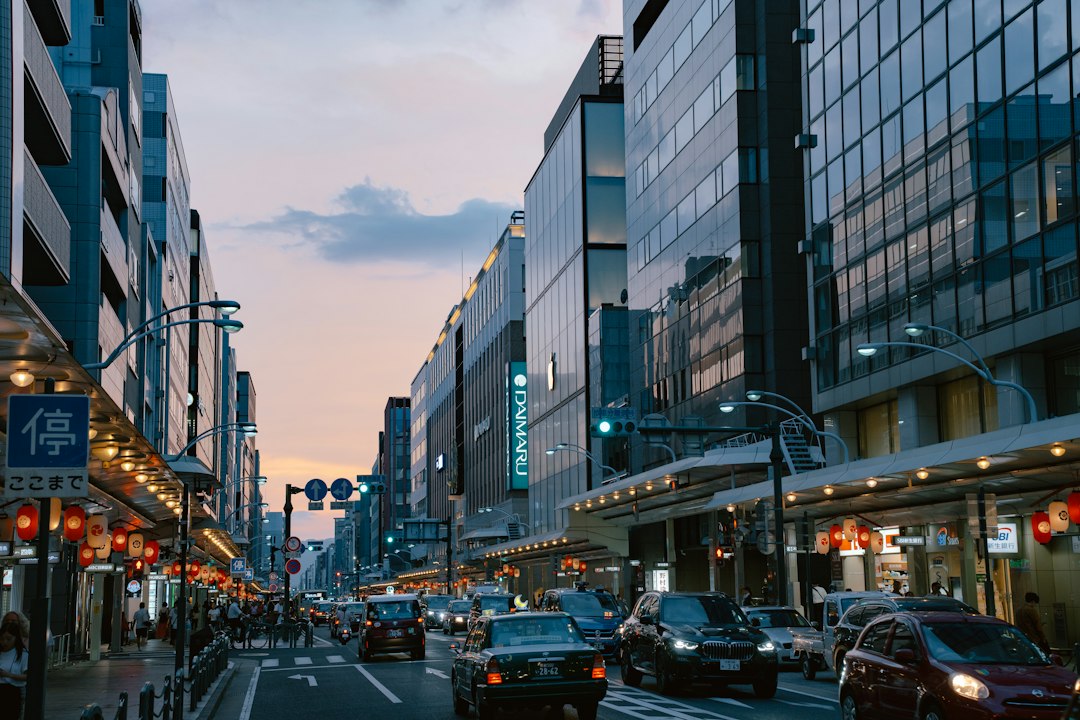
If you’re heading to Takashimaya Kyoto, Daimaru Kyoto, or JR Kyoto Isetan this year, the single most important thing to know before you shop is this: Japan’s tax-free system is changing in November 2026, moving from an instant in-store exemption to a refund-at-airport model. If your trip falls after that date, the counter process described below for “old system” shopping may no longer apply exactly as written, so confirm with the store’s tax-free counter on arrival. Everything else in this guide reflects how the system works as of October 2026, under the current rules.
Where to Actually Shop Tax-Free in Kyoto
Kyoto doesn’t have a dedicated duty-free mall like Tokyo’s Ginza flagship stores, so tax-free shopping here is concentrated in three department stores plus a handful of specialty shops:
- Takashimaya Kyoto – at the Shijo-Kawaramachi intersection, Shimogyo-ku. The closest stations are Hankyu Kawaramachi Station (Exit 1, basically underground connection) or Keihan Gion-Shijo Station, about a 5-minute walk. This is the branch most tourists use because it sits right at the end of the Pontocho/Kawaramachi shopping strip. The tax-free counter has historically been on the 7th floor near the restaurant level; store hours run 10:00–20:00.
- Daimaru Kyoto – on Shijo-dori at Takakura, a 3-minute walk from Shijo Station on the Hankyu Kyoto Line or Exit 21 of Karasuma Station on the subway Karasuma Line. Daimaru’s tax-free desk is typically on B1F near the Kyoto souvenir and depachika food floor, which matters because food items (senbei, yatsuhashi, sake) are consumables subject to the separate sealed-bag rule.
- JR Kyoto Isetan – built directly into Kyoto Station on the Karasuma Chuo-guchi (central) side, spanning roughly 2F to 11F. Convenient if you’re shopping right before catching the Shinkansen, since the tax-free counter is on the upper floors near the souvenir hall, not at street level.
Outside department stores, don’t expect much tax-free coverage in Nishiki Market — most stalls there are small family operations that can’t process the paperwork. A few larger specialty shops along Nishiki (ceramics, knives) do offer it, but ask before assuming.
The Actual 2026 Rules You Need to Know
As of 2026, Japan’s consumption tax is 10% (8% on most food and non-alcoholic drinks when applicable under the reduced rate), and tax-free purchases require all of the following:
- You must be a short-term visitor on a tourist visa or equivalent status (not a resident).
- Minimum purchase of ¥5,000 (tax excluded) per store per day — general goods (clothing, electronics, bags) and consumables (cosmetics, food, alcohol, medicine) are combined under one threshold since the 2023 system unification, so you no longer need to split purchases into two separate ¥5,000 baskets.
- Your passport must be the physical original — a photo on your phone or a photocopy will be rejected at the counter. Staff scan the passport page and print a receipt that gets attached to it (a holdover from the paper-stapling era, now mostly digital record-keeping linked to your passport number).
- Consumable items get sealed in a tamper-evident plastic bag and must leave Japan within 30 days unopened — if customs catches you eating your Kyoto-branded matcha Kit Kats before boarding, you could be asked to pay the tax back at the airport.
How the Counter Process Actually Works at Takashimaya and Daimaru
You shop normally first, paying full price with tax included at the regular register, then take your receipts and passport to the tax-free counter (not the register) before leaving the store. At Takashimaya Kyoto this means riding up to the 7th floor specifically for this step, which surprises people who assume the refund happens at checkout. Processing takes roughly 5–15 minutes depending on queue length — weekend afternoons around 14:00–16:00 are the worst, so if you’re buying a lot, go right at opening (10:00) or after 18:00.
A detail that trips people up: several Kyoto department stores now charge a handling fee of around 1.1% on the refunded amount to cover processing costs, a change introduced in the past couple of years. It’s deducted automatically before the refund is applied to your payment method, so the ¥5,000 tax-free threshold doesn’t translate to getting back the full 10% in your pocket — expect slightly less. Confirm the current fee at the counter since stores adjust it periodically.
Payment Methods and Practical Snags
Most tax-free counters accept major credit cards, and the refund can be applied directly back to the card used for purchase rather than handed over in cash — this is now the default at Takashimaya and Daimaru. If you paid in cash, expect the counter to refund you in cash too, which is useful if you’re trying to spend down yen before flying home. IC cards like Suica or ICOCA cannot be used to pay at these counters; they’re strictly for transit and convenience store purchases, even with the 2023+ update allowing foreign-issued contactless cards to top up Suica via mobile wallets.
What’s Actually Worth Buying Tax-Free in Kyoto
Takashimaya Kyoto’s cosmetics floor (ground floor, as in most Japanese department stores) carries SK-II, Shiseido, and Kao brands at prices that, once the 10% is removed, often beat airport duty-free because airport markups offset the savings. Daimaru’s depachika on B1-B2 is strong for boxed Kyoto confectionery — Tawaraya Yoshitomi or Kagizen Yoshifusa sweets make good tax-free gift sets, though check the sealed-bag consumable rule applies here. JR Kyoto Isetan’s upper floors are better for mid-range fashion brands if you want to combine shopping with killing time before a Shinkansen departure, since it’s physically inside the station.
One Thing to Plan Around
Because of the pending November 2026 system overhaul, some stores may start transitioning procedures gradually in the months before the official switch, meaning the exact counter location, required documents, or fee structure described here could shift mid-visit. If your trip is scheduled for very late October or November 2026, call ahead to the specific Takashimaya, Daimaru, or Isetan branch, or check the Japan Tourism Agency’s official tax-free shopping page before you build your shopping day around a particular process — it would be frustrating to budget your last afternoon in Kyoto around a refund system that’s no longer running.
Photo by PJH on Unsplash