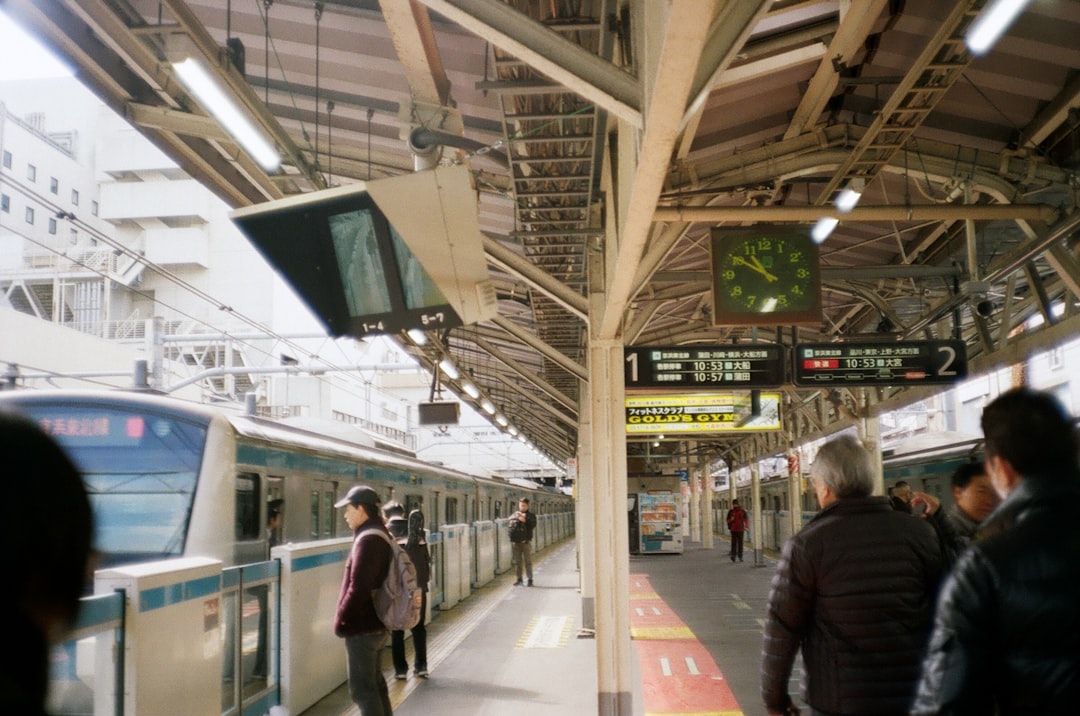

Photo by HANVIN CHEONG on Unsplash
Suica vs Pasmo in 2026: What Travelers Need to Know
If you’re planning a trip to Tokyo in 2026, you’ve probably already heard about Suica and Pasmo, the two rechargeable IC cards that make navigating Japan’s train and bus networks effortless. Both cards look similar, work almost identically, and are accepted at the same ticket gates, but there are subtle differences that can affect which one you should choose. In this updated 2026 guide, we break down everything you need to know about Suica and Pasmo, including the latest changes to foreign card compatibility, mobile wallet integration, and tourist-specific versions like Welcome Suica and Pasmo Passport.
What Are Suica and Pasmo?
Suica and Pasmo are contactless smart cards used throughout Japan for public transportation, vending machines, convenience stores, and even some restaurants and taxis. You simply tap the card on a reader at the ticket gate, and the fare is automatically deducted from your stored balance. There’s no need to calculate fares or buy individual tickets for every journey, which makes these cards indispensable for anyone spending more than a day or two in Tokyo.
Suica
Suica is issued by JR East (Japan Railways East) and was the first IC card introduced in the Tokyo region back in 2001. The name stands for “Super Urban Intelligent Card,” and it’s primarily associated with JR train lines, though it works on virtually all other rail and bus networks in the Kanto region and beyond.
Pasmo
Pasmo is issued by a consortium of private railway and bus operators in the Tokyo metropolitan area, including Tokyo Metro, Toei Subway, and various private lines like Odakyu and Keio. It was launched in 2007, a few years after Suica, specifically to unify the many private rail networks under one payment system.
Key Differences Between Suica and Pasmo
- Issuing Company: Suica is issued by JR East; Pasmo is issued by a group of private and municipal transit operators.
- Design and Branding: Suica features a green penguin mascot; Pasmo has a pink and purple robot-like mascot. This is largely cosmetic and has no impact on functionality.
- Point Programs: Suica has JRE Point integration for JR East affiliated shopping and services, while Pasmo has its own loyalty programs tied to certain private railway companies. If you frequently shop at JR East affiliated stores like ecute or Atre, Suica may offer more relevant point-earning opportunities.
- Mobile App Ecosystem: Both cards have mobile versions, but as of 2026, Mobile Suica has a more mature and widely used app with more integration options, especially for Apple Pay and Google Pay users.
- Refund Policies: Both cards charge a small refund handling fee when you cash out and return your card at the end of your trip, though exact fee amounts can vary slightly and are worth confirming at the counter, as of 2026.
Are Suica and Pasmo Interchangeable?
For nearly all practical purposes, yes. Since 2013, ten major IC cards across Japan, including Suica, Pasmo, ICOCA (Kansai), TOICA (Chubu), and others, have been mutually compatible nationwide. This means you can use a Suica card in Osaka, Kyoto, Fukuoka, or Sapporo, and vice versa with regional cards in Tokyo. The only functional differences show up in region-specific bonus points, discount programs, and occasionally very rural bus lines that may only accept the locally issued card.
2026 Updates: Foreign Card Compatibility and Mobile Wallets
One of the most useful updates for international travelers is the ability to add Suica directly to Apple Pay or Google Pay using an overseas-issued Visa, Mastercard, or American Express credit card. This means you can literally add a virtual Suica card to your smartphone before you even land in Japan, top it up with your home country credit card, and start tapping through ticket gates the moment you arrive at Narita or Haneda Airport. As of 2026, this remains one of the most convenient options for tech-savvy travelers, eliminating the need to queue at ticket machines entirely.
Mobile Pasmo has also expanded its compatibility with international payment methods, though Mobile Suica generally offers a smoother setup process for non-Japanese phones due to JR East’s continued investment in the app’s English-language interface.
Welcome Suica and Pasmo Passport for Tourists
For travelers who prefer a physical card, JR East offers the “Welcome Suica,” a tourist-specific version that doesn’t require the standard 500 yen deposit and automatically expires after 28 days, making it ideal for short-term visitors who don’t want to bother with a refund process before departure. Similarly, the Pasmo Passport offers a similar deposit-free experience with a validity period, though it’s worth checking current availability, as of 2026, since production of some physical tourist cards has occasionally been paused due to global chip shortages in previous years. Always verify at the airport information counter or official websites whether physical Welcome Suica or Pasmo Passport cards are currently in stock before relying on them as your only plan.
How Much Do These Cards Cost?
A standard Suica or Pasmo card typically costs 2,000 yen, which includes a 500 yen refundable deposit and 1,500 yen of usable transit credit. The Welcome Suica and Pasmo Passport tourist versions skip the deposit entirely, so the full amount you pay goes toward your travel balance. Recharging (called “charging” in Japanese) can be done at any station ticket machine, convenience store register, or through the mobile app if you’re using a smartphone version.
Where Can You Use Suica and Pasmo?
Beyond trains and buses, both cards work at an enormous range of everyday locations across Tokyo and most of Japan, including:
- Convenience stores like 7-Eleven, Lawson, and FamilyMart
- Vending machines throughout train stations and city streets
- Many restaurants, cafes, and fast food chains
- Coin lockers at major train stations
- Some taxis, particularly in central Tokyo
- Select retail stores, especially those inside train station buildings
This versatility is part of why so many travel guides recommend getting an IC card as one of the very first things you do upon arrival in Japan.
Suica/Pasmo vs the JR Pass: Don’t Confuse Them
It’s important to note that Suica and Pasmo are not substitutes for the Japan Rail Pass if you’re planning extensive long-distance travel via Shinkansen bullet trains. As of the October 2023 price revision, the 7-day ordinary JR Pass costs 50,000 yen for adults, and this pricing structure remains in effect as of 2026. IC cards like Suica and Pasmo are best suited for local and regional transit within cities like Tokyo, Yokohama, or Osaka, not for covering long-distance Shinkansen journeys across the country. If your itinerary includes multiple cities connected by bullet train, calculate whether a JR Pass makes financial sense in addition to your IC card for local transport.
Which One Should You Choose in 2026?
For the vast majority of travelers, the choice between Suica and Pasmo genuinely doesn’t matter much anymore, thanks to nationwide interoperability. Our recommendation:
- Choose Suica if you want the smoothest mobile wallet setup via Apple Pay or Google Pay, or if you’re flying into Narita or Haneda where Suica ticket machines and Welcome Suica kiosks are more prominently available.
- Choose Pasmo if you’re arriving via a private railway line, staying primarily near Tokyo Metro or Toei Subway stations, or if a Pasmo Passport happens to be more readily available during your travel dates.
- Consider going fully digital with a mobile version on your smartphone to skip physical card deposits and refund lines altogether.
Final Tips for Using IC Cards in Tokyo
Always keep a small amount of cash on hand as backup, since occasional card reader malfunctions or rural bus routes may not accept IC cards. Check your balance regularly at station machines, and remember that if you purchased a physical card with a deposit, you can get your deposit and remaining balance refunded (minus a small handling fee) at any JR East or Pasmo-affiliated station counter before you leave Japan. As of 2026, both systems continue to be reliable, fast, and essential tools for enjoying a stress-free trip through Tokyo and beyond.
Whether you pick Suica, Pasmo, or simply add one to your phone’s mobile wallet, having an IC card ready from day one will save you time, hassle, and the constant need to calculate exact train fares throughout your Japan adventure.