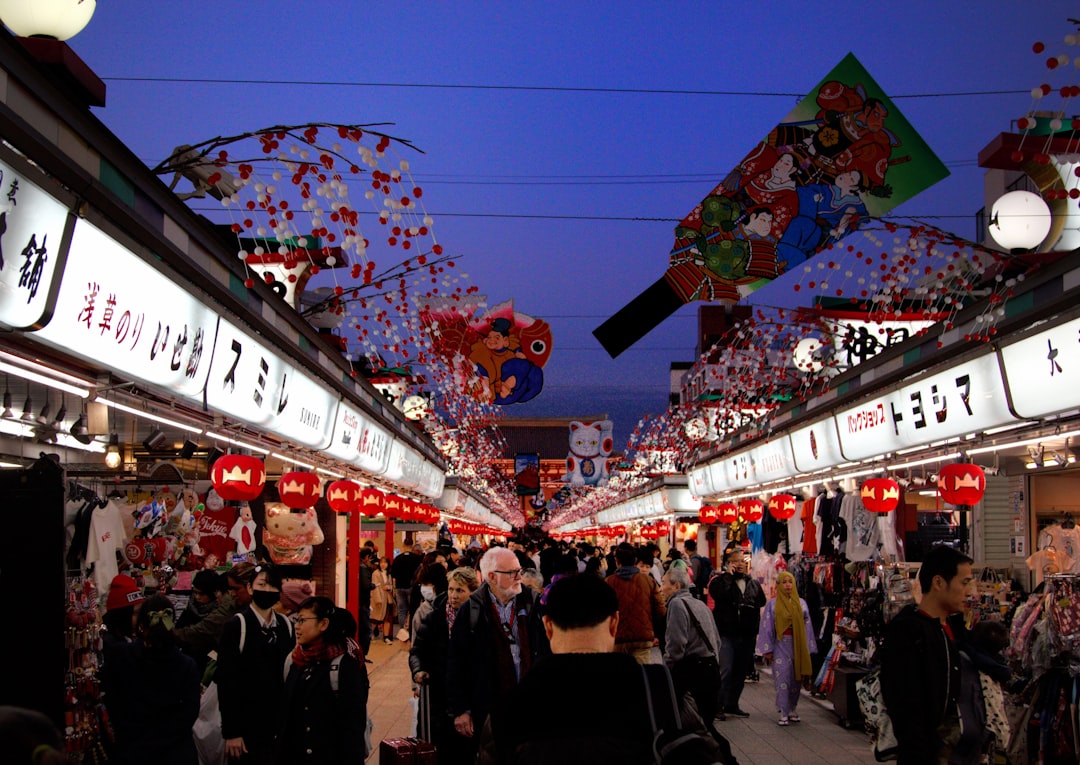

Photo by tnkn29 on Unsplash
Planning a shopping spree in Tokyo, Osaka, or Kyoto? Understanding Japan tax-free shopping 2026 requirements is essential before you hit the department stores, electronics districts, and drugstores. Japan’s consumption tax remains at 10% in 2026, but the way foreign visitors claim tax exemptions is undergoing one of the biggest changes in over a decade. This guide breaks down exactly who qualifies, what documents you need, and the major system overhaul scheduled for late 2026 that every traveler should know about.
Who Qualifies for Tax-Free Shopping in Japan?
To shop tax-free in Japan, you must meet the following conditions as of 2026:
- You hold a foreign passport and are staying in Japan under the “Temporary Visitor” (短期滞在) status.
- Your intended stay in Japan is less than six months.
- You are not working in Japan during your visit (tourists, business travelers, and short-term visa holders generally qualify).
- Japanese nationals living abroad may also qualify if they meet specific documentation requirements proving residency outside Japan for more than two years.
Your passport is the single most important document. Always carry the original physical passport when shopping — photocopies or digital scans are not accepted at tax-free counters, even though some stores may photograph it for their records.
The 2026 Consumption Tax Rate
Japan’s consumption tax remains at 10% for most goods in 2026 (8% for food and non-alcoholic beverages purchased for takeaway under the reduced tax rate system, though this reduced rate mainly affects everyday shopping rather than tourist purchases). Tax-free shopping allows eligible foreign visitors to purchase goods without paying this 10% consumption tax, provided the items are taken out of Japan.
Big Change: The New Refund-at-Departure System (Effective November 2026)
This is the most important update for 2026 travelers. Japan’s government has confirmed that starting in November 2026, the country will transition from the current “immediate tax exemption” system to a refund-at-departure model. Here’s what that means in practice:
- Instead of receiving the discount instantly at the register, travelers will pay the full price (including 10% tax) at the time of purchase.
- Receipts will be electronically linked to your passport information at the point of sale.
- Before departure, you will visit a tax refund counter at the airport (or an authorized refund kiosk) to claim your tax refund, after customs verifies you are taking the purchased goods out of the country.
This reform was introduced to combat fraud where tax-free goods were resold within Japan instead of being exported. As of 2026, specific implementation details (which airports, processing times, digital vs. paper vouchers) are still being finalized by Japan’s National Tax Agency, so travelers should check official sources like the Japan National Tourism Organization (JNTO) close to their travel dates for the latest procedural details, especially if traveling after November 2026.
Before November 2026: The Current System Still Applies
If you’re traveling to Japan before the new system launches, the traditional point-of-sale exemption remains in effect. Under this system:
- Present your passport at checkout in tax-free-eligible stores.
- The tax is deducted immediately, and you pay the discounted price on the spot.
- A tax exemption record is electronically attached to your passport (Japan moved away from paper attachment slips a few years ago), verified by customs upon departure.
Minimum Purchase Requirements
Regardless of which system is in place, minimum spending thresholds continue to apply in 2026:
- General items (electronics, clothing, bags, watches): Minimum purchase of ¥5,000 (before tax) per store, per day.
- Consumable items (cosmetics, food, beverages, medicine, tobacco): Also minimum ¥5,000, with a combined upper limit of ¥500,000 per person per day for consumables.
- Since the 2018 reform, general items and consumables can be combined to reach the ¥5,000 minimum, as long as consumables are properly sealed in designated tamper-proof bags.
Important: Consumable items must remain sealed and cannot be opened or consumed within Japan. Customs officers may check these seals at the airport, and opened items can result in denied exemptions or repayment demands.
Step-by-Step: How to Shop Tax-Free in Japan (2026)
- Look for the “Tax-Free” logo — Not all stores offer tax-free shopping. Look for the official red-and-white Japan Tax-Free Shop logo displayed at the entrance or checkout counter.
- Bring your passport — Always carry your original passport while shopping, especially in tourist areas like Ginza, Dotonbori, and Shinjuku.
- Meet the minimum spend — Combine purchases within the same store on the same day if needed to reach ¥5,000.
- Complete the paperwork at checkout — Staff will scan your passport and process the tax exemption (or, after November 2026, register your purchase for later refund).
- Keep receipts and sealed bags — Store your tax-free purchases with their receipts, and keep consumable items sealed until you leave Japan.
- Verify at departure — Depending on the system in place during your visit, you may need to present purchases to customs officers at the airport before checking in your luggage.
Where to Shop Tax-Free
Tax-free shopping is available at:
- Major department stores (Takashimaya, Isetan, Mitsukoshi, Daimaru)
- Electronics retailers (Bic Camera, Yodobashi Camera)
- Drugstores and cosmetics chains (Matsumoto Kiyoshi, Don Quijote)
- Duty-free outlets in shopping districts like Akihabara, Shibuya, and Namba
- Airport shops (though these often already display duty-free prices)
Note that convenience stores, small independent boutiques, and most restaurants do not offer tax-free shopping.
Common Mistakes to Avoid
- Forgetting your passport — No passport means no tax exemption, no exceptions.
- Opening sealed consumable bags before departure — This can void your exemption and may require repayment of the tax at the airport.
- Assuming all stores participate — Always check for the tax-free logo before assuming a discount applies.
- Not budgeting extra time at the airport — Especially once the refund-at-departure system begins in November 2026, allow extra time to process refunds through customs before your flight.
Frequently Asked Questions
Do I need a minimum stay to qualify for tax-free shopping?
No minimum stay is required, but you must be classified as a “Temporary Visitor” and not staying longer than six months.
Can I get a refund if I already paid full tax?
Under the current system, no — the discount is applied at purchase. Under the new November 2026 system, yes — refunds will be processed at departure.
As of 2026, exact refund processing details for the new system are still being clarified by Japanese tax authorities, so we recommend checking the official Japan National Tourism Organization website before your trip.
Is the JR Pass or IC card relevant to tax-free shopping?
No, transportation passes like the JR Pass (priced from ¥50,000 for a 7-day ordinary pass as of the October 2023 price revision, still in effect in 2026) and IC cards such as Suica or Pasmo are unrelated to tax-free shopping. However, if you’re planning a shopping-heavy itinerary across multiple cities, factor these transportation costs into your overall trip budget.
Final Tips for 2026 Travelers
Japan remains one of the best shopping destinations in Asia, and tax-free shopping can save you a meaningful 10% on electronics, fashion, and souvenirs. With the system change coming in November 2026, it’s more important than ever to check official government and JNTO announcements close to your travel dates. Keep your passport handy, save your receipts, and allow extra time at the airport — especially if you’re traveling after the new refund system takes effect.