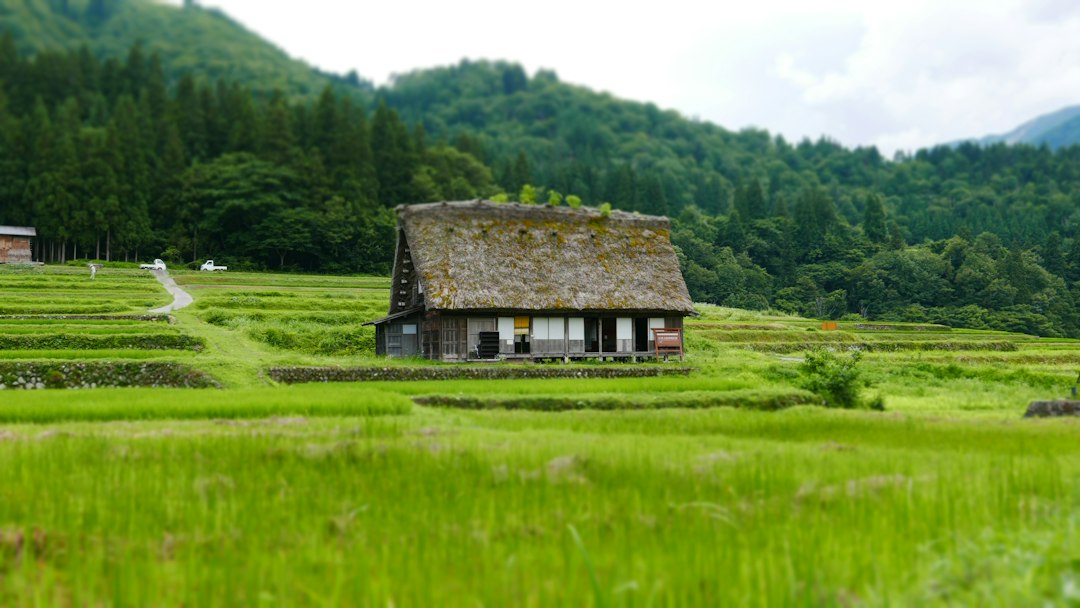
If you only have one day to spare for this kind of trip, ride the Tadami Line between Aizu-Wakamatsu and Tadami in Fukushima Prefecture, and get off at Aizu-Mishima Station to walk up to the Daiichi Tadami River Bridge viewpoint — it’s a 20-minute uphill walk from near the station, and the shot of a single red-and-cream diesel car crossing the river against autumn colour is the image that put this line on every train photographer’s list. That single stretch tells you most of what you need to know about Japan’s rural rail lines: they run infrequently, they’re often single-car diesel units, and the reward for showing up with a timetable and some patience is scenery you can’t get from a shinkansen window.
Below are six lines I’ve actually ridden end to end, with the specific details that matter for planning — not just “scenic” but which station, which season, and how much it costs.
Tadami Line (Fukushima to Niigata)
The full line runs 135 km from Aizu-Wakamatsu to Koide, though the most-photographed section is Aizu-Wakamatsu to Tadami, which takes around 2.5 hours by itself. Only three to four through-trains run per day because a 2011 flood destroyed several bridges and the line wasn’t fully restored until 2022 — so check JR East’s real-time status page before you go, especially October through March. One-way fare from Aizu-Wakamatsu to Tadami runs about ¥2,170. Early morning in autumn, river mist pools below the bridges before 8am, which is when the famous shots are taken — if you’re there at noon the magic is gone.
Koumi Line (Yamanashi to Nagano)
This 78.9 km line connects Kobuchizawa to Komoro and passes through Nobeyama Station, the highest-elevation station on the JR network at 1,345 metres. Trains are single-car diesel railbuses, and on the stretch between Kiyosato and Nobeyama you get an unobstructed view of the Yatsugatake range out the left-side windows in clear weather. Service is roughly hourly, which is dense by countryside-line standards, and a one-way ride from Kobuchizawa to Nobeyama is about 50 minutes for around ¥590.
Gono Line / Resort Shirakami (Akita to Aomori)
The Gono Line hugs the Sea of Japan coast between Akita and Hirosaki, and the tourist-oriented Resort Shirakami trains (there are three liveries — Buna, Kumagera, and Aoike) run this route with reserved seating for an ¥840 surcharge on top of the regular fare. The highlight stop is Senjojiki, where the train pauses for about 15 minutes so passengers can walk onto the wave-cut rock platform right beside the tracks — bring a hat, there’s zero shade. The scenic core of the ride, Akita to Juniko, takes roughly 3 hours; book the Resort Shirakami seats at least a few days ahead in peak autumn foliage weeks (late October) since they sell out.
Isumi Railway (Chiba)
A short 26.8 km third-sector line between Ohara and Kazusa-Nakano in rural Chiba, running old-style cream-and-red diesel railcars that were deliberately kept in their National Railways-era paint scheme. Late February through late March, the fields around Kuniyoshi Station turn solid yellow with nanohana (canola flowers), and the railway times a few runs to coincide with cherry blossoms along the same stretch in early April. A one-day pass is ¥1,340 and lets you hop on and off at whichever station looks interesting — Isumi-Katsuyama’s retro wooden station building is worth the stop on its own.
Watarase Keikoku Railway (Gunma to Tochigi)
This 44.1 km line runs from Kiryu to Mato along the Watarase River, following the old route used to haul copper out of the Ashio mine. Get off at Tsuudo Station to walk through the preserved Ashio Copper Mine museum before continuing. On weekends and holidays an open-sided trolley train called the Wassho-go runs part of the route — no glass in the windows, so it’s cold even in May, bring a jacket regardless of season. Full line end to end takes about 1 hour 40 minutes; one-way adult fare is roughly ¥1,230.
Kurobe Gorge Railway (Toyama)
Technically a narrow-gauge sightseeing line rather than a commuter line, but it belongs on this list because the gorge itself is almost entirely free of road access. From Unazuki Onsen the line climbs 20.1 km to Keyakidaira in about 80 minutes, in fully open-air cars with wooden bench seating. It only operates mid-April through late November because the gorge gets buried in snow otherwise, and even in August the tunnels are cold enough that locals wear a light jacket. One-way unreserved fare is about ¥1,980; reserved cars with actual windows cost more and are worth it if you’re prone to getting cinders in your eyes.
What nobody tells you about riding these lines
IC cards (Suica, Pasmo, ICOCA) work on some of these lines and not others — JR sections like parts of the Koumi and Gono lines generally accept them, but third-sector railways like Watarase Keikoku and Isumi often don’t, so carry cash for the fare box. Most countryside diesel cars run “one-man” (wanman) operation: you board from the rear door, take a numbered ticket from the machine by the door, and pay the driver when you get off, matching your ticket number to the fare chart above the windshield. Don’t expect toilets on board — single-car trains rarely have one, so use the station facilities before boarding. And the Japan Rail Pass only covers JR-operated lines (Tadami, Koumi, Gono); Isumi Railway, Watarase Keikoku, and Kurobe Gorge are all private or third-sector operators that require separate tickets even if you’re holding a pass.
One last thing before you plan around these
Build slack into your schedule rather than trying to connect two countryside lines back to back on the same day. Gaps between trains can run two to three hours on the quietest stretches, and a single missed connection at a station with no convenience store nearby means sitting on a bench for a while with your backpack. Heavy snow or typhoon warnings routinely suspend service on the Tadami and Gono lines with little notice, so check the operator’s website the morning of your ride rather than trusting a timetable you looked up the week before. The reward for working around these constraints, though, is a train car with maybe six other passengers, windows you can actually see out of, and views that don’t come with a observation deck admission fee attached.
Photo by Victor Lu on Unsplash