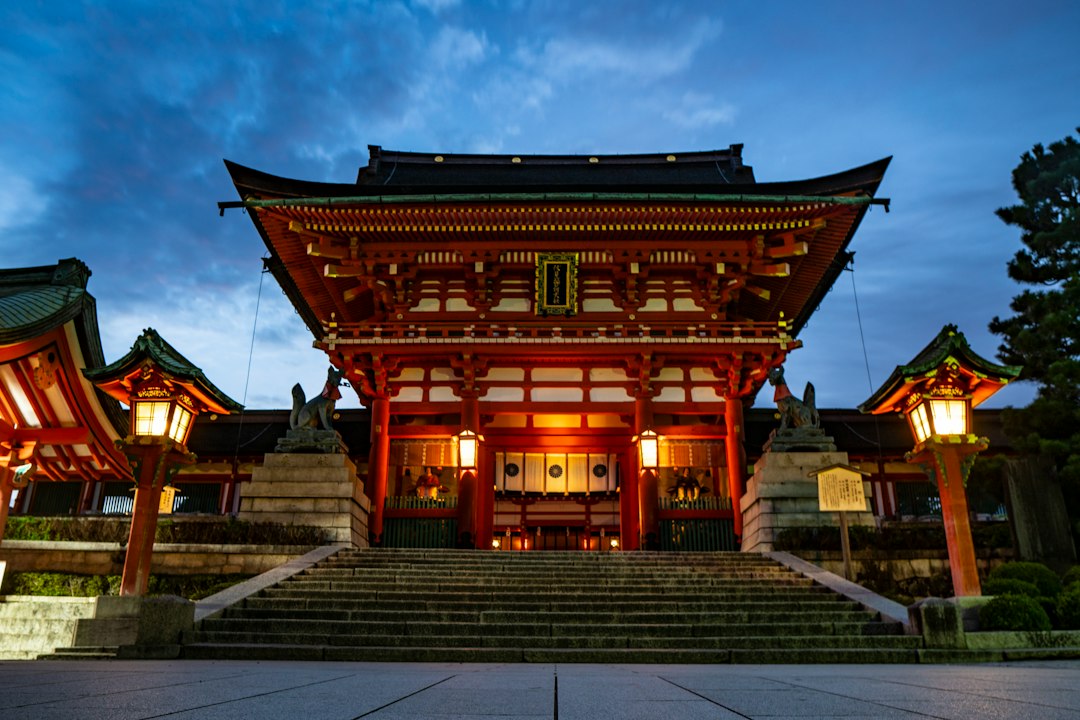
If you want to actually ring a temple bell on New Year’s Eve in Japan rather than just read about it, you need to be at your chosen temple with a numbered ticket in hand by around 10:30pm on December 31st — most public slots for joya no kane (除夜の鐘, “the night bell”) are handed out on a first-come, first-served basis starting two to three hours before the ringing even begins, and popular temples run out fast.
Joya no kane is the practice of ringing a temple’s bonsho (large bronze bell) 108 times starting shortly before midnight on December 31st and finishing just after the New Year begins. In Buddhist teaching, the number 108 corresponds to the bonno — the worldly desires and attachments (greed, anger, jealousy, pride and so on) that cause human suffering. Each strike is meant to clear one of them away, so by the time the last ring fades out, in theory you’re starting January 1st with a clean slate. At most temples a monk strikes the first 100-plus rings, and the final handful are opened up to lay visitors who’ve queued for a numbered wooden tag.
How the Ticket System Actually Works
This is the part most articles skip. You don’t just walk up and ring the bell. At temples that allow public participation, staff distribute a limited number of seiri-ken (整理券, numbered tickets) earlier in the evening — sometimes as early as 9pm — and once those run out, that’s it, you watch instead of ring. The number of available slots is almost always smaller than the crowd: Zojoji in Tokyo typically caps public ringers at around 100 people for its 70-plus-ton bell, while Sensoji in Asakusa hands out roughly 100 tickets at the Hondo (main hall) starting around 10pm. There’s usually no admission fee, though some temples ask for a small optional donation of ¥100–¥500 when you take your turn.
Where to Go: Tokyo
Zojoji Temple, next to Tokyo Tower in Shiba Park, is the easiest option for visitors staying centrally. The nearest station is Onarimon on the Toei Mita Line, a 3-minute walk, or Shiba-koen Station (also Mita Line), about 5 minutes on foot; Daimon Station on the Toei Asakusa and Oedo Lines is roughly 7 minutes away if those lines suit your hotel location better. The bell itself is one of the largest in the Kanto region and needs several monks pulling the rope in unison for the first strikes. Arrive by 9:30–10pm to have a realistic shot at a numbered tag, and expect to stand around in freezing temperatures for over an hour before your turn comes, if it comes at all.
Sensoji in Asakusa is the other major option, and it’s louder and more crowded given its location next to Nakamise shopping street. If ringing the bell matters more to you than the view, skip Sensoji and go to a quieter neighborhood temple instead — ward noticeboards and local tourist information counters (such as the one inside Asakusa Culture Tourist Information Center across from Kaminarimon) often list smaller temples doing the same ceremony with far shorter queues.
Where to Go: Kyoto
Chion-in in Higashiyama-ku has the most dramatic version of this ritual in the country. Its bell weighs around 70 tons and requires 17 monks hauling on ropes simultaneously, chanting in rhythm as they swing the striking log back — it’s less a quiet religious moment and more a full-body group effort that draws a genuine crowd of spectators even though the public doesn’t get to ring this particular bell themselves. It’s free to watch from the designated viewing area. Get there from Keihan Gion-Shijo Station (about a 10-minute walk) or Higashiyama Station on the Tozai subway line (around 7 minutes), and plan to be in position by 10:30pm since the viewing spot fills in before the ringing starts near midnight.
Kiyomizu-dera does not generally open its bell to public striking on this night, but many visitors combine a walk up Kiyomizu’s approach with hatsumode (the year’s first shrine or temple visit) at nearby Jishu Shrine once midnight passes — a reasonable backup plan if Chion-in’s crowd looks too dense when you arrive.
Where to Go: Nara
Todaiji Temple does something no other major site does: it opens the Daibutsuden (Great Buddha Hall) to the public completely free of charge, but only between roughly midnight and 2am on January 1st — this is the one night of the year you can walk right up to the Great Buddha without a regular admission ticket. The bell-ringing portion requires a separate application process, with around 800 ringing slots typically allocated via lottery ticket distribution starting around 10:30pm at the bell tower. Even if you don’t get a ringing slot, being inside the hall at 1am with the enormous bronze Buddha lit from below is worth the cold wait on its own.
Cold-Weather Logistics Nobody Mentions
Midnight temperatures in Kyoto and Tokyo on December 31st typically sit between 0°C and 5°C, and you’ll likely be standing outdoors, mostly stationary, for two hours or more before and after the ringing. Bring disposable kairo hand warmers (sold at any konbini for about ¥100–¥150 each), a thermos of hot tea, and shoes with real tread if there’s been any recent snow — temple stone paths get slick. If you’re doing this in Tohoku or Hokkaido, sub-zero temperatures are the norm rather than the exception, so treat it like a winter hike, not a city stroll.
Transport: Don’t Assume Normal Train Hours
Regular train schedules do not apply on New Year’s Eve. JR and Tokyo Metro run special all-night service on the Yamanote Line and several other key lines specifically for the December 31–January 1 crossover, but this schedule exists only on this one night of the year and the timetable differs from a normal all-night emergency service — check the specific operator’s website for that year’s special timetable rather than assuming trains run as usual. In Kyoto, city buses stop much earlier than trains, so plan your route home from Chion-in around the Keihan or subway lines, not buses.
One Thing to Keep In Mind
Noise complaints from nearby residents have genuinely changed how some temples run this event — a number of smaller temples, particularly in dense residential pockets of Tokyo and Osaka, have quietly shifted their bell-ringing to the afternoon of December 31st instead of midnight, specifically to avoid disturbing neighbors late at night. If a specific neighborhood temple is your whole reason for the trip, call ahead or check their notice board in early December, because the romantic midnight version you’re picturing might actually happen at 3pm that same day instead.
Photo by Shai Pal on Unsplash