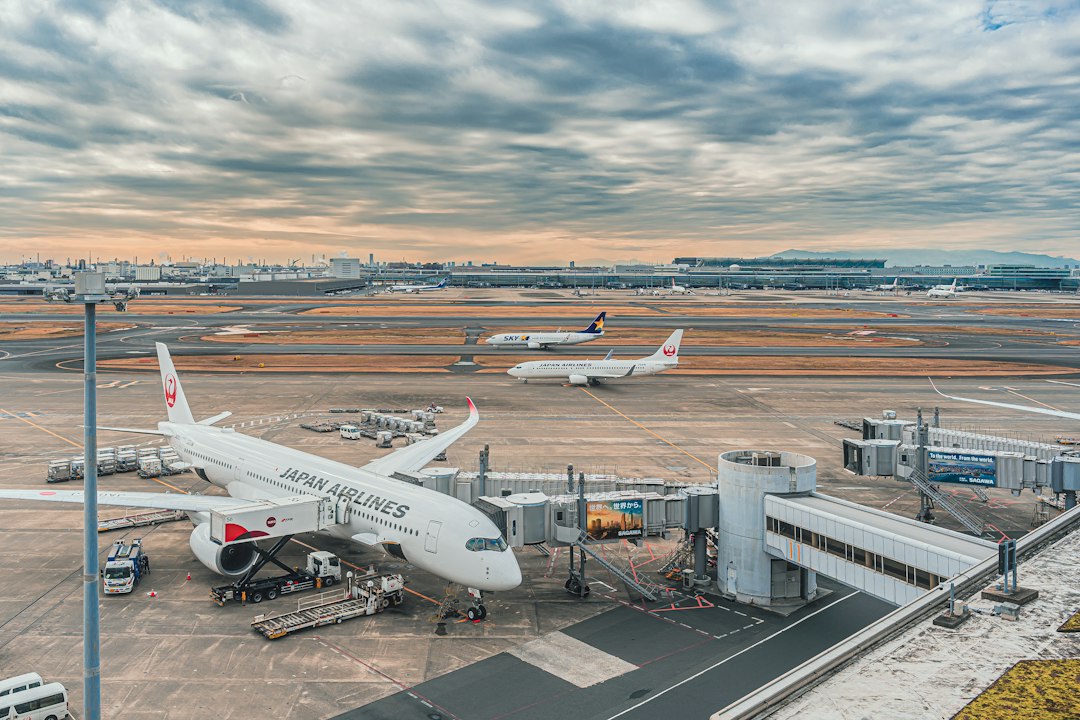
If you’re flying into Haneda for a client meeting next week, skip the research rabbit hole: head to the Global Advanced Communications counter in Terminal 3, 2F arrivals lobby (open 6:30am–9:30pm), reserve online first for a 10% discount, and get the unlimited-data 4G/5G router for ¥1,280/day. That single move solves 90% of what business travelers actually need. Everything below is the detail behind that recommendation, plus what to do if your trip doesn’t fit that exact scenario.
Why Pocket WiFi Still Beats an eSIM for Work Trips
eSIMs are fine for tourists checking Google Maps, but they fail business travelers in one specific way: most prepaid Japan eSIMs (Airalo, Ubigi, Holafly) cap simultaneous hotspot sharing and throttle after 3-5GB/day on the cheaper tiers. If you’re tethering a laptop for a Zoom call with a client in Osaka while your phone pulls Slack notifications, a single eSIM data plan chokes fast. A pocket WiFi router like the Ninja WiFi G4 or the Fuji Soft FS030W connects up to 5 devices simultaneously on real unlimited plans, and the battery lasts roughly 10-12 hours on a full charge — enough for a full day of meetings in Marunouchi without hunting for an outlet.
The other factor nobody mentions: corporate VPNs. If your company requires a VPN client running continuously (common for firms with offices in Nagoya or Osaka connecting back to a Tokyo HQ server), a dedicated router with a stable IP behaves more predictably than carrier-switching eSIMs that sometimes drop VPN tunnels when they hand off between docomo and SoftBank towers.
Best Pocket WiFi Providers for Business Travelers in 2026
- Ninja WiFi – Counters at Narita T1 (3F), Narita T2 (3F arrival lobby), Haneda T3, and Kansai Airport. Unlimited 4G plan runs ¥1,180-1,580/day depending on season; they issue a proper tax invoice (領収書) on request, which matters if you’re filing this under corporate travel expenses.
- Global Advanced Communications (GAC) – My go-to for repeat business trips because they offer monthly corporate contracts (月額契約) for companies sending staff to Japan regularly, billed via invoice to a Japan-registered or overseas company account rather than per-trip credit card charges.
- Japan Wireless – Ships the router to your hotel in advance (useful if you’re landing late and don’t want to queue at an airport counter after a 14-hour flight) and includes a prepaid return envelope via Japan Post — just drop it in any red postbox before departure.
- Sakura Mobile – Markets specifically toward longer-stay business travelers and expats; their 1-3 month SIM/router combo plans are cheaper per day than daily airport rentals once you’re staying beyond two weeks.
Picking Up and Returning the Device Without Wasting Time
At Narita Terminal 2, the arrival lobby counters (Ninja WiFi, Japan Wireless, and two competitors) sit in a row just past the currency exchange machines — expect a 5-10 minute wait even with a pre-booking, longer during peak arrival windows between 3pm-6pm when several long-haul flights land together. Haneda’s counters are smaller and faster since fewer long-haul flights route there, though that’s shifting now that more international routes operate out of Haneda’s Terminal 3 post-expansion.
Returns are simpler than people expect: drop the router (with cable and case) into the provided envelope and post it in any yellow Japan Post mailbox, or use the airport dropbox at departure — no scale needed, postage is prepaid. Miss this and most providers charge a flat ¥3,000-5,000 non-return penalty automatically to your card, so don’t leave it in the hotel safe.
Data Caps and What They Mean for Video Calls
“Unlimited” plans in Japan almost always mean unlimited within a fair-use policy — typically throttling kicks in only after extremely heavy single-day usage (often 10GB+ on top-tier plans), which is rarely an issue for email, Teams calls, and document uploads. Budget plans advertised at ¥700-900/day usually cap at 3GB/day then drop speeds to roughly 128-200kbps, which is unusable for video. For a multi-day conference — say, three days exhibiting at Tokyo Big Sight in Ariake (reachable via the Yurikamome Line from Shimbashi, about 25 minutes, alight at Kokusai-Tenjijo-Seimon Station) — pay the extra ¥300-400/day for the true unlimited tier. The difference over five days is maybe ¥1,500-2,000, trivial next to a dropped client call.
Coverage Gaps to Plan Around
Pocket WiFi signal is excellent in central Tokyo, Osaka, and Nagoya business districts, but it does drop inside some Shinkansen tunnels, particularly the long stretches between Atami and Odawara or through the mountains near Nagano. If you’re prepping a deck during a Shinkansen leg from Tokyo to Shin-Osaka (the Nozomi service, about 2 hours 30 minutes), download anything critical beforehand rather than relying on the connection mid-tunnel.
Expensing It: Invoices and Corporate Accounts
Every major provider issues a proper invoice (請求書) or receipt (領収書) with their registered company name and tax ID printed, which Japanese and most international accounting departments accept without issue. If your company sends staff to Japan more than two or three times a year, ask GAC or Ninja WiFi about a corporate master account — you get a single consolidated monthly invoice instead of individual employee reimbursement claims, which finance teams generally prefer.
What I Actually Carry as a Backup
On a recent trip combining meetings in Shinagawa with a conference in Osaka, I carried the rented pocket WiFi plus a secondary eSIM (Ubigi, 5GB) loaded but inactive on my phone. The router was primary; the eSIM was purely insurance in case the router’s battery died during a long meeting with no outlet nearby — which happened once, at a client office near Akasaka-mitsuke where the only plug was behind a locked cabinet. A ¥2,000 eSIM saved that afternoon. It’s a small redundancy cost worth building into any trip where a dropped connection has real financial consequences.
One last practical warning: airport counter reservations can sell out during major trade fair weeks (Tokyo Motor Show years, major tech conferences at Makuhari Messe), so book your router at least 5-7 days ahead rather than assuming walk-up availability, and double-check your provider’s cancellation policy — most allow free changes up to 24 hours before pickup, but not same-day.
Photo by mos design on Unsplash