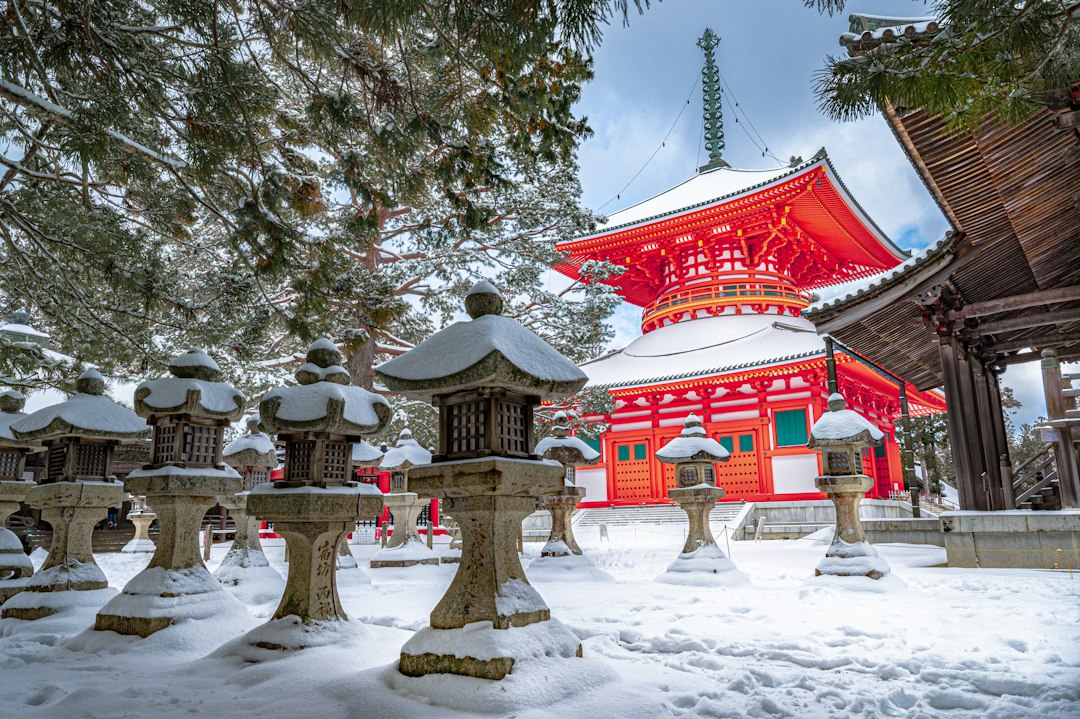
If you only remember one number from this article: 3.17 million people pass through Meiji Shrine’s torii gates during the three-day hatsumode period (January 1-3), making it the single most visited New Year shrine in Japan. If your trip overlaps with late December through mid-January, you can still see the shrine — you just need to pick the right hour, the right gate, and occasionally the right week. I’ve walked the Minami-sando approach at 6:40am in a down jacket more times than I can count, and the difference between a 7am visit and a 11am visit on January 2nd is the difference between a quiet gravel path and a 40-minute shuffle just to reach the purification trough.
Why Hatsumode Turns Meiji Shrine Into a Human River
Meiji Jingu sits in Shibuya-ku, directly between Harajuku and Yoyogi Park, which means it absorbs foot traffic from two of Tokyo’s busiest neighborhoods on top of its own pilgrims. During hatsumode, the shrine keeps its main approach open 24 hours from New Year’s Eve through January 3rd, and the Honden (main hall) area gets fenced into queue lanes managed by shrine staff and police. The crowd doesn’t thin out at night either — the midnight-to-dawn window on January 1st is actually one of the busiest, since many visitors deliberately come to pray right after the bell strikes twelve.
Exact Dates to Treat as No-Go Zones (2026-2027 Calendar)
- December 31, 2026 (Omisoka) from around 11pm through January 1, 2027 dawn — the overnight countdown crowd
- January 1-3, 2027 — official hatsumode peak, worst between 10am and 4pm each day
- January 11, 2027 (Coming of Age Day, Seijin no Hi) — a secondary spike as new 20-year-olds visit in furisode and hakama for photos
- February 3, 2027 (Setsubun) — smaller but still notably busier than a normal Wednesday
The Real Answer: Best Times of Day and Year
Year-round, the shrine’s gates technically follow sunrise and sunset, which shifts monthly — in December and January that means opening around 6:00-6:40am and closing as early as 4:00-4:30pm, versus a 5:00am-6:30pm window in June. Arriving within the first 30 minutes of opening, any day of the year, gets you a nearly empty gravel approach beneath the 12-meter cypress torii at the Minami-sando entrance. For non-holiday periods, weekday mornings before 8am in late November (avoiding the Momiji-matsuri foliage weekends), early-to-mid December before the 28th, and the first two weeks of February after Setsubun are consistently the calmest stretches I’ve experienced. July and August are quiet too, but you’ll be sweating through a humid 15-20 minute walk from the station before you even reach the shrine buildings.
Skip the Main Gate: Use the Kita-sando Entrance
Almost every visitor funnels in through Harajuku Station’s Omotesando exit onto the Minami-sando (south approach), a one-minute walk from the JR Yamanote Line platform. Fewer people realize there’s a north entrance, Kita-sando, reached via a 3-minute walk from Odakyu and Toei Oedo Line Yoyogi Station, or about 8 minutes on foot from JR Yoyogi Station’s west exit. This route cuts straight through the forest without passing the sake-barrel wall or the main souvenir stand, so during hatsumode it genuinely carries a lighter crowd — shrine staff sometimes redirect overflow here specifically because it’s underused. It’s also how I’d recommend reaching the Homotsuden (Treasure Museum), open 9:00am-4:30pm, closed Thursdays, admission ¥500, which almost nobody visits even on the busiest days.
Cold-Weather Practicalities for a December-January Visit
- The gravel path through the forest is shaded and several degrees colder than the Harajuku streets — bring a base layer even if Tokyo’s daytime forecast says 10°C
- Pocket kairo (hand warmers), sold at any konbini for about ¥150-200 for a pair, are worth carrying if you’re queuing before dawn on January 1st
- The shrine serves amazake (sweet, low-alcohol rice drink) near the main hall during the New Year period for a small donation — it’s the best way to warm up while waiting
- IC cards like Suica and Pasmo, including the mobile Welcome Suica now loadable directly onto foreign iPhones and Android phones via Apple Pay/Google Pay, work fine on the Yamanote Line and Tokyo Metro to get you here, but expect station gates at Harajuku to get congested around 9-10am on hatsumode days — Yoyogi Station stays noticeably calmer
If You Still Can’t Avoid the Crowds: A Quieter Backup Shrine
If your only free morning in Tokyo happens to fall on January 2nd at noon, consider redirecting to Tokyo Daijingu in Iidabashi instead, a 15-minute subway ride from Harajuku via the Chiyoda Line to Otemachi then a transfer, or more simply a 5-minute walk from Iidabashi Station on the JR Chuo-Sobu Line. It’s known as a matchmaking shrine and draws its own New Year’s queue, but at a fraction of Meiji Jingu’s scale, and you’ll still get the hatsumode atmosphere — lanterns, stalls, amulet sellers — without the hour-long wait.
One More Thing Nobody Tells You
The shrine occasionally closes sections of the inner precinct without much English-language notice when the Imperial family or senior Shinto officials conduct private ceremonies, which happens more often around New Year and early spring than most guides mention. If you’re building a tight itinerary around a specific sunrise visit, check the shrine’s official site (meijijingu.or.jp) the night before rather than relying on a blog post written months in advance — ceremonial closures aren’t announced far ahead, and I’ve shown up once to find the Honden roped off entirely for a wedding procession with no warning posted at the south gate.
Photo by Samuel Berner on Unsplash