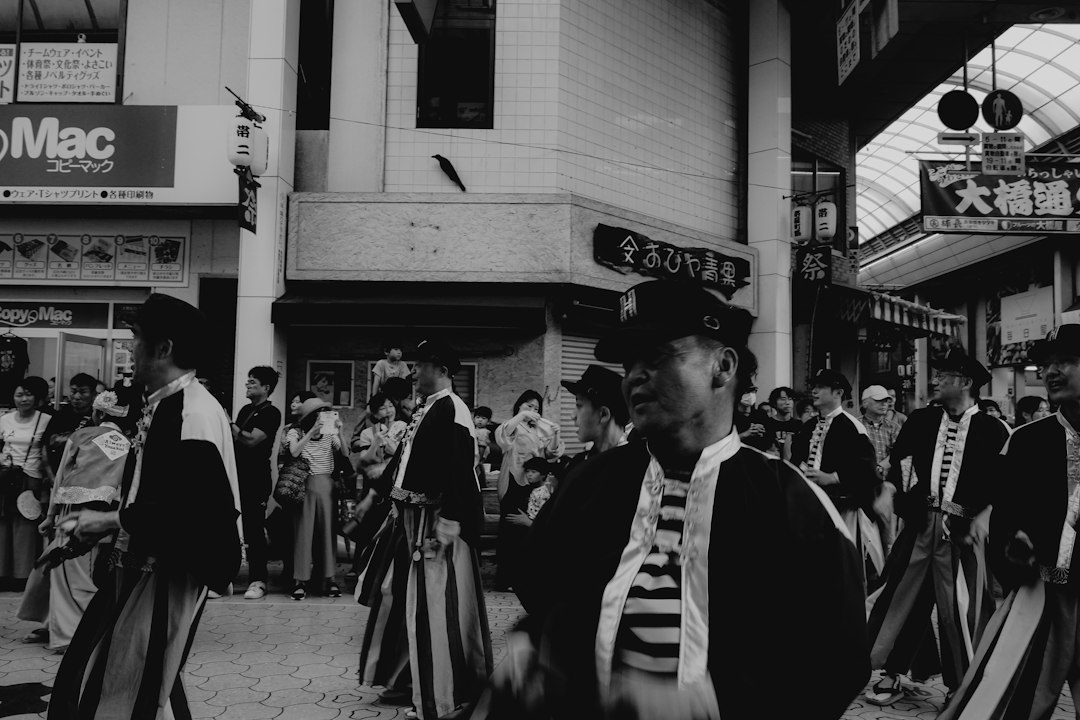
Discovering Nezu: Tokyo’s Timeless Backstreet Wonderland
Tucked between the bustling university district of Hongo and the trendy streets of Yanaka lies Nezu, a neighborhood that feels like a portal into old Tokyo. While tourists flock to Shibuya’s crossing and Asakusa’s Senso-ji, Nezu remains blissfully under the radar, preserving a slower pace of life that has all but vanished from the rest of the megacity. This is the kind of place where cats nap on wooden fences, wisteria vines drape over century-old shrine gates, and the aroma of freshly baked melon bread drifts from family-run bakeries that have operated for generations.
If you’re searching for an authentic slice of shitamachi (old downtown) Tokyo without the crowds of nearby Yanaka, Nezu deserves a permanent spot on your itinerary. This guide will walk you through everything you need to know to experience this hidden neighborhood like a local.
Why Nezu Deserves Your Attention
Nezu survived the devastating earthquakes and bombings that reshaped much of Tokyo throughout the 20th century, meaning many of its wooden houses, narrow alleyways, and traditional shops remain largely intact. Combined with neighboring Yanaka and Sendagi, the area forms what’s affectionately called “Yanesen,” a triangle of neighborhoods beloved by photographers, history buffs, and anyone craving a break from Tokyo’s neon-soaked modernity.
Unlike more polished historical districts, Nezu isn’t a museum piece. It’s a living, breathing community where elderly residents tend small gardens, local izakayas serve regulars who’ve been coming for decades, and craft shops continue traditions passed down through generations.
Nezu Shrine: The Neighborhood’s Crown Jewel
No visit to Nezu is complete without exploring Nezu Shrine (Nezu Jinja), one of Tokyo’s oldest and most architecturally stunning Shinto shrines. Founded over 1,900 years ago according to legend, the current structures date back several centuries and represent some of the finest examples of Edo-period shrine architecture still standing in the city.
- The vermillion torii gate tunnel, reminiscent of a miniature Fushimi Inari, offers incredible photo opportunities without the overwhelming crowds
- The shrine’s azalea garden bursts into vibrant color during blooming season, drawing modest crowds compared to Tokyo’s more famous flower spots
- Intricately carved wooden details on the main hall showcase traditional craftsmanship rarely seen in such well-preserved condition
- The peaceful pond and surrounding pathways provide a meditative escape just minutes from residential streets
Visit during early morning hours for the most serene experience, when local residents come to pray before starting their day and the soft light filters beautifully through the torii gates.
Wandering Nezu’s Historic Streets
The true magic of Nezu lies in aimless wandering. Unlike neighborhoods designed around a single attraction, Nezu rewards those who simply walk without a fixed destination.
Traditional Architecture and Hidden Alleys
Look for machiya (traditional wooden townhouses) with their distinctive lattice windows and narrow facades. Many now house small galleries, pottery studios, or family businesses that have operated for multiple generations. The narrow alleyways branching off the main streets often lead to unexpected discoveries: a tiny shrine dedicated to a local deity, a hidden garden, or a shop selling handmade textiles.
Nezu’s Coffee and Café Culture
Despite its old-fashioned atmosphere, Nezu has quietly become home to several exceptional independent cafés. These aren’t the Instagram-famous spots you’ll find in Harajuku, but rather intimate establishments where the owner personally roasts beans or bakes pastries each morning. Many occupy renovated traditional buildings, blending historic architecture with contemporary comfort—perfect for warming up with coffee after a day of exploration.
Shopping for Authentic Crafts and Local Treasures
Nezu’s shopping scene emphasizes quality over quantity. Rather than souvenir shops selling mass-produced trinkets, you’ll find:
- Small pottery studios where artisans create traditional Japanese ceramics using techniques unchanged for centuries
- Family-run stationery shops stocking beautiful washi paper products and traditional writing implements
- Vintage kimono and textile shops offering carefully curated secondhand pieces at reasonable prices
- Local produce stores and traditional sweet shops selling wagashi (Japanese confections) made fresh daily
Take your time browsing—many shop owners are happy to share stories about their craft if you show genuine interest, even with limited Japanese language ability.
Connecting Nezu with Yanaka and Sendagi
Nezu’s location makes it ideal for combining with neighboring neighborhoods for a fuller day of exploration. The three districts collectively offer:
Yanaka Ginza Shopping Street
A short walk from Nezu, this atmospheric shopping street buzzes with local energy, selling everything from fresh croquettes to traditional crafts. It’s touristy compared to Nezu proper but still maintains genuine local character.
Yanaka Cemetery
This sprawling, tree-lined cemetery serves as both a historical site and a peaceful walking path, particularly stunning during cherry blossom season when sakura trees canopy the pathways.
Sendagi’s Residential Charm
Even quieter than Nezu, Sendagi offers additional glimpses into traditional residential Tokyo life, with fewer visitors than either neighboring district.
Practical Tips for Visiting Nezu
Getting There
Nezu Station on the Chiyoda Line provides direct access to the neighborhood’s heart. Alternatively, Sendagi Station offers a scenic approach through residential streets, while a longer walk from Ueno Park connects Nezu with one of Tokyo’s major green spaces and museum districts.
Best Times to Visit
Nezu rewards visitors in every season. Spring brings azalea blooms at the shrine and cherry blossoms throughout the neighborhood. Summer evenings offer atmospheric walks as lanterns illuminate small shops. Autumn foliage creates stunning backdrops for photography, while winter’s clear skies provide crisp visibility for architectural details often missed in busier seasons.
How Much Time to Allow
While you could technically see Nezu’s main sights in two hours, allowing a half-day lets you properly absorb the neighborhood’s atmosphere, enjoy a leisurely café stop, and combine your visit with nearby Yanaka.
Etiquette and Respect for Local Life
Remember that Nezu is a genuine residential neighborhood, not a tourist attraction built for visitors. Keep noise levels down, especially in narrow residential streets, avoid photographing private homes or residents without permission, and support local businesses by making small purchases when you can. This respectful approach helps preserve Nezu’s authentic character for future visitors while showing appreciation for the community that calls it home.
Final Thoughts on Tokyo’s Hidden Gem
Nezu represents everything wonderful about slow travel in Japan: unhurried exploration, genuine cultural encounters, and the joy of discovering beauty in everyday details rather than checking off famous landmarks. In a city often characterized by its frenetic pace and technological spectacle, Nezu offers a gentle reminder of Tokyo’s deeper historical roots and enduring traditional culture.
Whether you’re a first-time visitor seeking an alternative to crowded tourist zones or a Tokyo veteran looking to rediscover the city’s quieter corners, Nezu delivers an experience that lingers in memory long after you’ve returned home. Add it to your itinerary, allow yourself to wander without a strict plan, and let this hidden neighborhood reveal its secrets at your own pace.
Photo by Johnny Ho on Unsplash