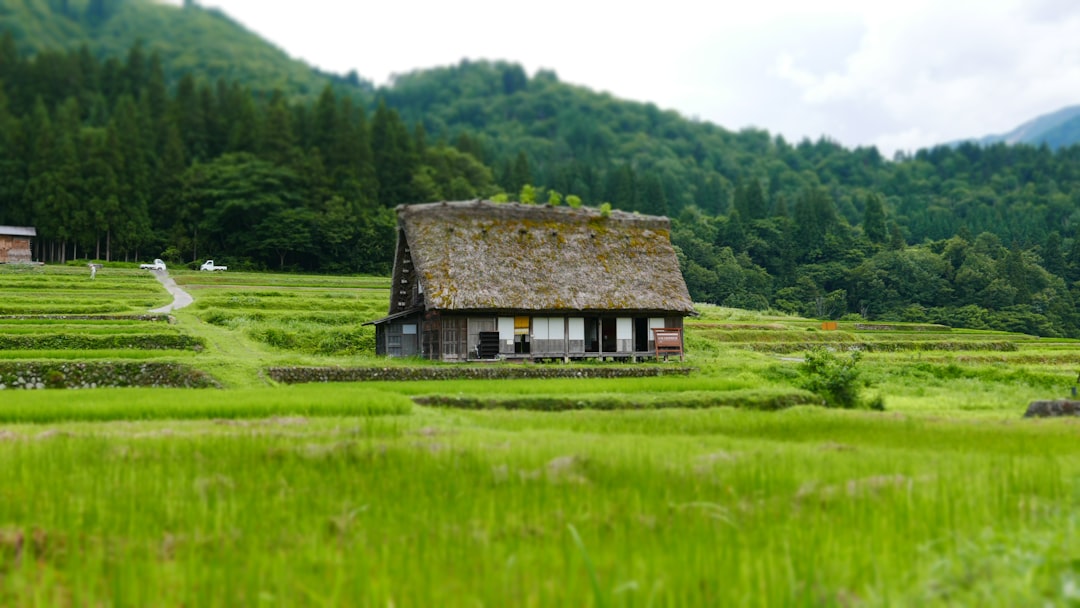
Discovering Tohoku Through a Farmhouse Stay
Tucked away in the northern reaches of Japan’s main island, Tohoku remains one of the country’s most authentic and least crowded regions. While Kyoto and Tokyo draw millions of visitors chasing temples and neon lights, Tohoku offers something entirely different: rolling rice paddies, steaming onsen villages, and centuries-old farmhouses where families still tend the land as their ancestors did. A farmhouse stay, known locally as minshuku or nohaku (agricultural lodging), is one of the most rewarding ways to experience this region. This guide walks you through everything you need to know to plan a memorable and respectful rural stay in Tohoku.
What Exactly Is a Tohoku Farmhouse Stay?
A farmhouse stay involves lodging directly with a local farming family, usually in a traditional wooden home called a kominka. Unlike a hotel or even a typical ryokan, these stays are intimate and small-scale, often hosting just one or two groups at a time. Guests sleep on futons in tatami rooms, eat meals prepared from ingredients grown or foraged nearby, and are frequently invited to join the family in daily farm work such as planting rice, harvesting vegetables, or tending livestock.
This style of tourism, sometimes called agritourism or nohaku, has been actively promoted by local governments across Tohoku as a way to revitalize depopulating rural communities while giving travelers a genuine window into Japanese country life.
Why Choose Tohoku for a Farmhouse Experience
Tohoku consists of six prefectures: Aomori, Akita, Iwate, Miyagi, Yamagata, and Fukushima. Each has its own dialect, cuisine, and rural traditions, making it an ideal region for slow, immersive travel.
- Aomori is famous for apple orchards, and many farmhouses here let guests help with pruning or harvesting depending on the season.
- Akita offers rice-farming villages surrounded by mountains, along with the region’s renowned sake breweries.
- Iwate features vast countryside with traditional L-shaped farmhouses called magariya, historically built to house both people and horses under one roof.
- Yamagata is known for cherry and grape orchards as well as hearty mountain cuisine.
- Miyagi blends coastal fishing villages with inland farming communities.
- Fukushima has revived its agritourism sector, offering visitors a chance to see firsthand the resilience of its farming communities.
Because Tohoku receives far fewer international visitors than central Japan, farmhouse hosts tend to be especially welcoming and curious about guests, creating opportunities for genuine cultural exchange rather than a transactional tourist experience.
What to Expect During Your Stay
Accommodation
Rooms are simple and traditional: tatami flooring, futon bedding, and shared bathrooms are common. Some farmhouses have been renovated with modern amenities, while others retain a rustic, decades-old charm complete with wood-burning stoves and irori (sunken hearths). Do not expect hotel-level luxury; the appeal here is authenticity, not opulence.
Meals
Meals are typically home-cooked using seasonal, homegrown ingredients. Expect dishes like fresh mountain vegetables (sansai), grilled river fish, miso soup made with local miso paste, and rice grown in the very paddies surrounding the house. Many hosts are happy to explain the origin of each dish, turning dinner into a cultural lesson.
Farm Activities
Depending on the season, guests may be invited to:
- Plant or harvest rice in spring and autumn
- Pick apples, cherries, or grapes in summer and fall
- Make traditional pickles or preserved foods in winter
- Help with feeding livestock or tending vegetable gardens
- Learn traditional crafts such as straw weaving or indigo dyeing
These activities are usually optional, so introverted travelers or those simply wanting rest can opt for a quieter stay.
Best Times to Visit
Tohoku farmhouse stays are rewarding in every season, which makes this an ideal evergreen travel option.
- Spring: Cherry blossoms bloom later here than in the rest of Japan, and rice-planting season offers hands-on farm activities.
- Summer: Lush green rice fields, local festivals, and cooler mountain air compared to Japan’s cities.
- Autumn: Vivid foliage, harvest festivals, and fruit-picking opportunities.
- Winter: Snow-covered thatched roofs, hearty hot pot meals, and a cozy, contemplative atmosphere near the irori hearth.
How to Book a Farmhouse Stay
Farmhouse stays are less commercialized than typical accommodations, so booking requires a bit more effort.
- Search for regional agritourism associations, many of which have English-language booking pages or work with tourism boards.
- Local tourism offices in each Tohoku prefecture often maintain lists of certified farmhouse hosts.
- Some rural tourism cooperatives coordinate bookings on behalf of multiple small farmhouses, which is useful if your Japanese is limited.
- Book well in advance during peak seasons like rice-planting time or autumn harvest, as many farmhouses only have one or two guest rooms.
Etiquette and Practical Tips
Because you are staying in someone’s actual home, showing respect and cultural sensitivity is essential.
- Remove your shoes at the entrance and use provided slippers indoors.
- Bring a small gift (omiyage) from your home country as a token of appreciation.
- Be punctual for meals, as hosts often prepare food based on a set schedule.
- Speak softly and be mindful that walls in traditional wooden houses are thin.
- Learn a few basic Japanese phrases; even simple greetings go a long way in building rapport.
- Participate in farm work with enthusiasm, but don’t worry about being an expert—hosts appreciate effort over perfection.
What to Pack
- Comfortable, weather-appropriate clothing you don’t mind getting dirty
- Rubber boots or old sneakers for outdoor farm work
- A reusable water bottle and sun protection for fieldwork
- Cash, as many rural farmhouses do not accept credit cards
- A small notebook or phrasebook for communication
Approximate Costs
Farmhouse stays are generally affordable compared to city hotels or upscale ryokans. Expect to pay a modest nightly rate that typically includes dinner and breakfast, with costs varying depending on the region and whether meals or activities are add-ons. Because these are small family-run operations rather than commercial hotels, pricing is often transparent and reflects the genuine cost of home-cooked meals and lodging rather than inflated tourist rates.
A Sample Two-Day Itinerary
- Day 1: Arrive by local train or bus, settle into your room, take an afternoon walk through the surrounding rice paddies or orchards, and join the family for a home-cooked dinner featuring seasonal specialties.
- Day 2: Wake early to help with a morning farm task, enjoy a traditional Japanese breakfast, explore a nearby village shrine or hot spring, and depart in the afternoon with a deeper appreciation for rural Japanese life.
Final Thoughts
A farmhouse stay in Tohoku is not about luxury—it’s about connection. You’ll leave with dirt under your fingernails, a stomach full of home-cooked food, and stories about a Japan that most travelers never get to see. For those seeking a slower, more meaningful way to experience the country, few experiences rival spending a few nights with a farming family in Japan’s rustic northern heartland.
Photo by Victor Lu on Unsplash