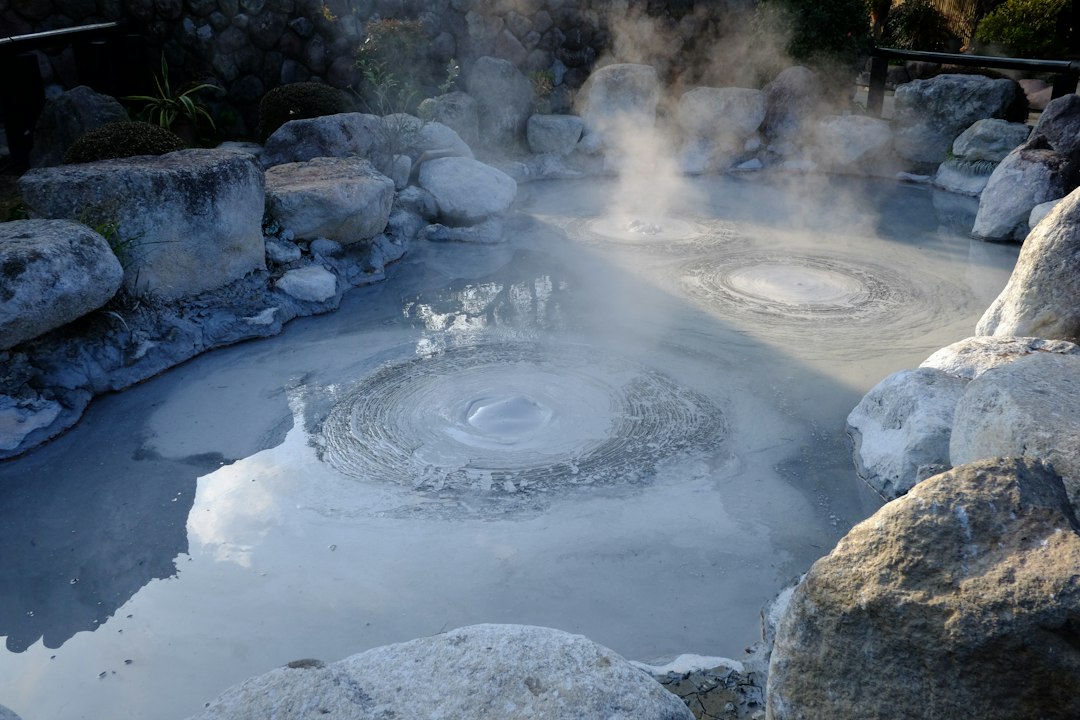
Why Yufuin Captures the Heart of Every Onsen Traveler
Tucked into a quiet valley in Oita Prefecture on the island of Kyushu, Yufuin is one of Japan’s most beloved hot spring towns, and for good reason. Unlike some larger onsen resorts that feel commercialized, Yufuin has managed to preserve a slower, more artistic atmosphere, with boutique galleries, craft shops, and riverside cafes lining its main streets. The town sits in the shadow of Mount Yufu, and on cool mornings you can often see mist rising from the Kinrin Lake as steam drifts up from nearby ryokan baths. This guide walks you through everything you need to know about choosing and enjoying a ryokan stay in Yufuin, from types of accommodation to bathing etiquette and seasonal highlights.
Understanding the Ryokan Experience in Yufuin
A ryokan is a traditional Japanese inn, and staying in one is often the highlight of a trip to Yufuin. These accommodations typically include tatami-mat rooms, futon bedding, multi-course kaiseki dinners, and access to onsen baths fed by natural hot spring water. Yufuin’s ryokan range from rustic family-run inns with just a handful of rooms to luxurious hideaways with private open-air baths attached to each guest room.
What Makes Yufuin Ryokan Different
Many ryokan in Yufuin emphasize a quiet, nature-immersed atmosphere rather than flashy entertainment facilities. You will often find properties built around small gardens, bamboo groves, or streams, with an emphasis on privacy and personalized hospitality. Because the town is smaller and more relaxed than famous hot spring resorts like Beppu, ryokan owners in Yufuin tend to focus on intimate, high-touch service.
Types of Ryokan Accommodation to Consider
- Luxury Ryokan with Private Baths: Ideal for couples or those celebrating a special occasion, these properties offer rotenburo (open-air baths) attached to individual rooms, allowing complete privacy while soaking surrounded by greenery.
- Mid-Range Family-Run Inns: These offer excellent value, warm hospitality, and shared communal baths, often with rotating gender-separated hours so all guests can experience different bath styles.
- Budget-Friendly Guesthouses with Onsen Access: Great for solo travelers or backpackers, some guesthouses provide simple tatami rooms and access to public bathhouses within walking distance.
- Day-Trip Onsen Facilities: If you are not staying overnight, many ryokan and public bathhouses offer day-use access for a modest fee, letting you experience the hot springs without a full stay.
How to Choose the Right Ryokan for Your Trip
When selecting a ryokan in Yufuin, consider your priorities: privacy, budget, proximity to the town center, and meal preferences. Properties closer to Yufuin Station and Yunotsubo Kaido (the main shopping street) offer convenience for exploring shops and cafes, while ryokan tucked into the hills or near Kinrin Lake provide a more secluded, nature-focused experience. If soaking in a private bath is important to you, look specifically for rooms labeled with in-room rotenburo, as not all ryokan offer this feature.
Meal Plans and Dining Experiences
Most traditional ryokan include breakfast and dinner in their nightly rate, often served as elaborate multi-course kaiseki meals featuring local Oita ingredients such as freshwater fish, seasonal vegetables, and Bungo beef. Dining is frequently served in your room or in a private dining area, adding to the sense of exclusivity. If you have dietary restrictions, it is wise to inform the ryokan in advance, as menus are often fixed and prepared specifically for each guest.
Onsen Bathing Etiquette for First-Time Visitors
For travelers new to Japanese hot springs, a few etiquette points will help you feel confident during your stay.
- Wash and rinse your body thoroughly at the shower stations before entering the bath.
- Tie up long hair so it does not touch the water.
- Do not bring towels into the bath water itself; small towels are typically placed on your head or set aside.
- Tattoos may still be restricted at some traditional public baths, though many private ryokan baths are tattoo-friendly, so it is worth checking in advance.
- Speak quietly and be mindful of other guests, as onsen bathing is meant to be a peaceful, meditative experience.
Best Times to Visit Yufuin
Yufuin is a wonderful destination in every season, making it a true evergreen travel spot. Spring brings soft cherry blossoms around Kinrin Lake, while summer offers lush greenery and cooler mountain air compared to lowland cities. Autumn transforms the surrounding hills into vivid displays of red and gold foliage, and winter allows visitors to enjoy steaming outdoor baths while snow gently falls, a quintessential Japanese onsen scene. Regardless of when you visit, booking your ryokan well in advance is recommended, as popular properties fill quickly, especially on weekends.
Getting to Yufuin and Getting Around
Yufuin is accessible by train from Fukuoka or Beppu, with the scenic “Yufuin no Mori” limited express train being a popular and comfortable option that adds a touch of nostalgia to the journey. Once in town, most attractions, shops, and many ryokan are within walking distance of Yufuin Station, though some more secluded properties may offer shuttle service or require a short taxi ride.
Exploring Beyond Your Ryokan
While the ryokan experience itself is often reason enough to visit, Yufuin also rewards those who venture outside. Stroll along Yunotsubo Kaido for local crafts, cheese rolls, and small museums, or take a peaceful walk around Kinrin Lake in the early morning before the crowds arrive. Nature lovers can also consider a short hike partway up Mount Yufu for panoramic views over the valley.
Final Tips for a Memorable Stay
To make the most of your Yufuin ryokan experience, arrive early enough to enjoy the bath before dinner, take advantage of yukata robes provided by the inn for strolling around town in the evening, and allow yourself to slow down. Yufuin is not a destination to rush through; it is a place designed for relaxation, quiet reflection, and reconnecting with nature. Whether you choose a luxurious private-bath suite or a modest family-run inn, the warmth of Japanese hospitality and the healing waters of the region are sure to leave a lasting impression.
Conclusion
Yufuin remains one of Japan’s most rewarding hot spring towns precisely because it balances tradition with tranquility. By choosing the right ryokan for your needs, respecting onsen etiquette, and giving yourself time to simply be still, you will discover why so many travelers return to this small mountain town again and again. Start planning your Yufuin ryokan stay today, and let the healing waters and gentle countryside work their quiet magic.
Photo by ben lim on Unsplash