Why Morioka Deserves a Spot on Your Japan Itinerary
Tucked away in the mountainous Iwate Prefecture of northern Honshu, Morioka is one of Japan’s most rewarding off-the-beaten-path destinations. While tourists flock to Tokyo, Kyoto, and Osaka, this castle town of roughly 300,000 residents offers a genuine slice of local life, three converging rivers, samurai-era streets, and some of the best noodles you’ll ever eat. Morioka rarely appears on first-time visitor itineraries, which is exactly what makes it special. You’ll find yourself wandering historic districts without crowds, chatting with shopkeepers who are delighted to see foreign travelers, and discovering a culinary scene that punches well above its size.
This Morioka Japan travel guide covers everything you need to plan an unforgettable trip: how to get there, top attractions, food you must try, day trips, and practical tips for exploring this underrated gem.
Getting to Morioka
Despite its remote reputation, Morioka is surprisingly accessible. The Tohoku Shinkansen (bullet train) connects Morioka directly to Tokyo, with the journey taking around two and a half hours. This makes it a perfectly feasible day trip or overnight stop for travelers exploring northern Japan, and it pairs beautifully with visits to Hirosawa, Hiraizumi, or the Sanriku Coast. Morioka also has its own airport with domestic flights, though the shinkansen remains the most convenient option for most visitors.
Top Off-the-Beaten-Path Attractions in Morioka
Morioka Castle Ruins (Iwate Park)
Once home to the Nanbu clan, Morioka Castle no longer stands, but its impressive stone walls remain beautifully preserved within Iwate Park. This peaceful green space is a favorite spot for locals to relax, and it offers a quiet, contemplative alternative to Japan’s more famous reconstructed castles. Cherry blossoms in spring and autumn foliage make this a year-round scenic stop.
Nakatsugawa River and Kawara-machi
Morioka is often called the “City of Rivers” thanks to the confluence of the Kitakami, Nakatsu, and Shizukuishi rivers. Strolling along the Nakatsugawa River, especially near Kawara-machi, reveals charming stone bridges, willow trees, and traditional buildings that have inspired writers and poets for generations. This area feels worlds away from Japan’s crowded tourist trails.
Ishiwari Zakura (Rock-Splitting Cherry Tree)
One of Morioka’s most unique natural wonders is a massive cherry tree that appears to have literally split a boulder in half as it grew. Estimated to be several centuries old, this tree blooms each spring and is designated a natural monument. It’s a striking symbol of resilience and a must-see for nature lovers seeking something beyond the typical shrine or temple visit.
Morioka Handi-Works Square
For travelers interested in traditional crafts, this facility gathers various local artisan workshops under one roof, including Nambu ironware (the region’s famous cast-iron kettles), textile dyeing, and woodworking. Visitors can watch craftspeople at work and even try hands-on workshops to create their own souvenirs, a far more authentic experience than typical gift shop shopping.
Zaimokucho and Konya-cho Districts
These atmospheric old merchant districts retain a nostalgic, Showa-era charm with narrow lanes, retro shopfronts, and small family-run businesses. Wandering here in the early evening, when lanterns begin to glow, feels like stepping into a different era of Japan.
What to Eat in Morioka
Morioka’s food culture is one of its greatest, and most overlooked, attractions. The city is famous throughout Japan for three signature noodle dishes, collectively known as Morioka’s “Three Great Noodles.”
- Wanko Soba: A playful, all-you-can-eat soba experience where servers continuously refill your bowl with small portions until you signal you’re full. It’s as much entertainment as it is a meal, and competitive eaters can challenge themselves to beat local records.
- Morioka Reimen: A cold noodle dish with Korean influences, featuring chewy noodles in a tangy, slightly spicy broth topped with kimchi, cucumber, and fruit. It’s especially refreshing in summer.
- Jajamen: Flat udon-style noodles topped with a savory miso-meat sauce, cucumber, and scallions. Locals often mix in a raw egg and hot broth at the end for a second course called “chi-tan-tan.”
Beyond noodles, Morioka is a great base for sampling Iwate’s renowned wagyu beef, fresh mountain vegetables, and local sake breweries that use pristine regional water sources.
Day Trips from Morioka
Morioka’s location makes it an excellent hub for exploring lesser-visited parts of Tohoku.
- Hiraizumi: A UNESCO World Heritage town with stunning temples like Chusonji, reachable within an hour by train.
- Geto Onsen and Nyuto Onsen: Remote hot spring villages nestled in the mountains, offering rustic ryokan stays and steaming outdoor baths surrounded by forest.
- Sanriku Coast: A dramatic coastline with cliffs, seafood markets, and small fishing towns perfect for travelers seeking untouched natural beauty.
- Koiwai Farm: A historic working farm at the base of Mount Iwate, ideal for families and those wanting a taste of rural Japan.
Best Time to Visit Morioka
Morioka rewards visits in every season. Spring brings cherry blossoms along the rivers and at Iwate Park. Summer offers cool mountain air compared to Japan’s humid cities, along with lively local festivals. Autumn transforms the surrounding hills into brilliant red and gold foliage, while winter blankets the city in snow, perfect for cozy noodle meals and nearby hot springs. Because Morioka isn’t defined by a single seasonal highlight, it makes a reliable year-round destination.
Practical Tips for Visiting Morioka
- English signage is less common than in major cities, so download a translation app before you go.
- The city center is highly walkable, but renting a bicycle is a great way to cover more ground, especially along the riverside paths.
- Convenience stores and small izakayas are abundant, making it easy to eat well even without advance reservations.
- Consider staying at least one night to fully experience the old merchant districts after dark and to have time for a nearby onsen day trip.
Final Thoughts
Morioka is proof that some of Japan’s most memorable experiences lie beyond the well-worn tourist circuit. With its castle ruins, river scenery, distinctive noodle culture, and easy access to hot springs and UNESCO sites, this northern city offers depth, authenticity, and a refreshing lack of crowds. Whether you’re a first-time visitor looking to add an unforgettable detour or a seasoned Japan traveler seeking something new, Morioka deserves a place on your itinerary.
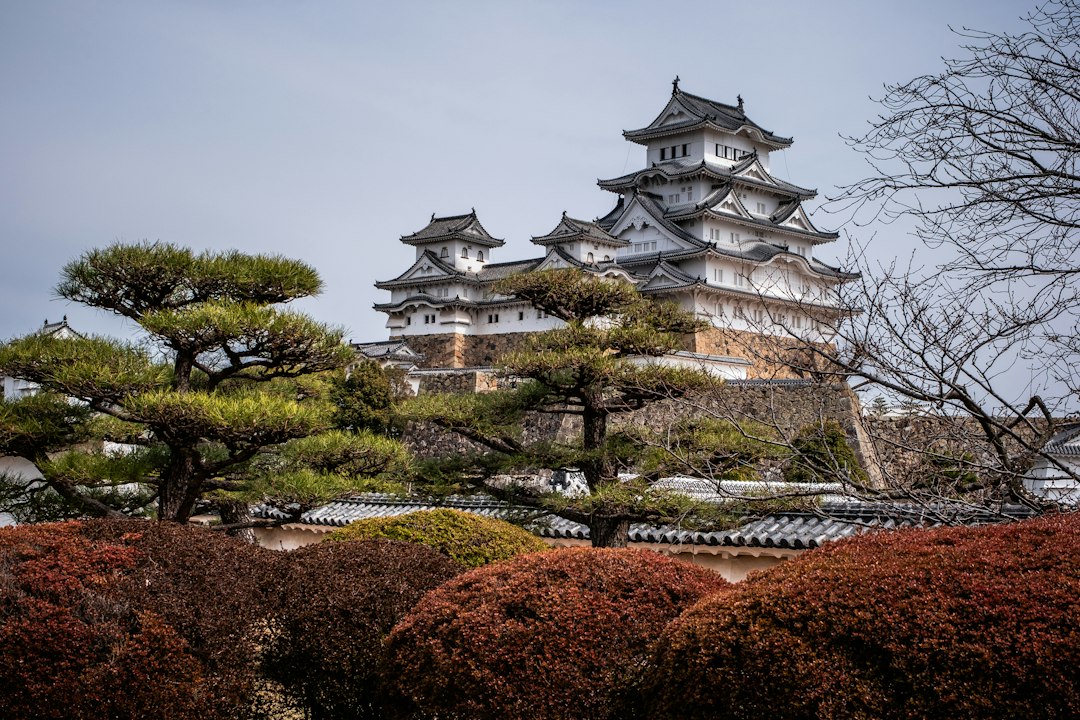
Photo by Sue Winston on Unsplash