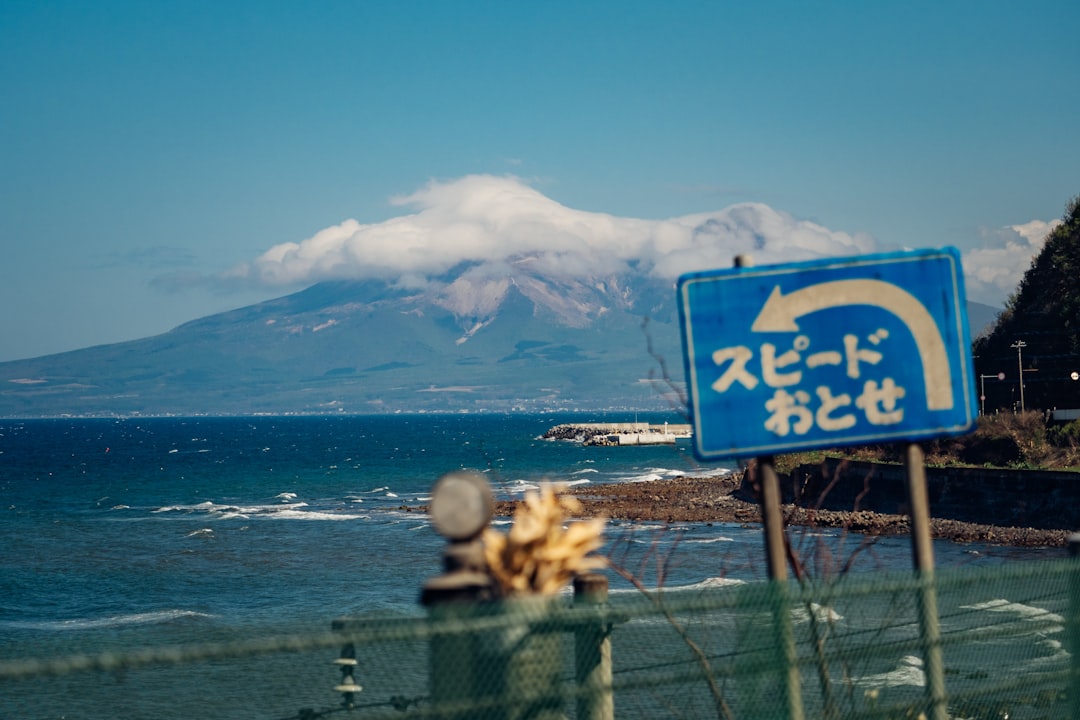
Japan’s dramatic coastline, hot spring towns, and seaside cities make it one of the most beautiful travel destinations in the world — but the same tectonic forces that create its hot springs and mountains also make it one of the most earthquake- and tsunami-prone countries on Earth. As of 2026, Japan continues to strengthen its early-warning systems, multilingual alerts, and coastal evacuation infrastructure, especially ahead of the long-anticipated Nankai Trough megaquake scenario that Japanese seismologists have been monitoring closely. Whether you’re visiting Tokyo Bay, the Tohoku coast, Okinawa, or a seaside ryokan in Shizuoka, knowing how to react to a tsunami warning could save your life. This guide walks you through practical, up-to-date tsunami evacuation tips every tourist should know before and during a trip to Japan.
Why Tourists Need to Take Tsunami Risk Seriously
Japan sits at the junction of four tectonic plates, and the 2011 Great East Japan Earthquake and tsunami remain a stark reminder of how quickly conditions can change along the coast. Unlike many natural disasters, tsunamis triggered by nearby offshore earthquakes can arrive within minutes, not hours — sometimes giving residents and visitors as little as 5 to 10 minutes to reach higher ground. Tourists are especially vulnerable because they may not recognize warning signs, understand Japanese-language alerts, or know the local evacuation routes. Building basic tsunami awareness into your travel planning is just as important as packing your passport or checking visa requirements.
Before You Travel: Preparation Tips for 2026
1. Download the Right Apps
- Safety tips app (by Japan Tourism Agency): This free multilingual app pushes real-time earthquake, tsunami, and severe weather alerts in English, Chinese, Korean, and Japanese. As of 2026, it remains the top recommended tool for foreign visitors and is available on both iOS and Android.
- NHK World-Japan app: Provides live English-language news coverage during major disasters, including tsunami advisories and evacuation instructions.
- Japan Meteorological Agency (JMA) website: Offers real-time tsunami warning maps; while mostly in Japanese, the color-coded warning levels (major tsunami warning, tsunami warning, tsunami advisory) are easy to recognize visually.
2. Learn the Key Japanese Terms
- Tsunami keihou (津波警報) – Tsunami warning
- Ootsunami keihou (大津波警報) – Major tsunami warning (most severe)
- Hinanjo (避難所) – Evacuation shelter
- Hinan basho (避難場所) – Evacuation site/high ground
- Takadai (高台) – Elevated ground
Recognizing these words on signage, TV broadcasts, or loudspeaker announcements can help you react quickly even without full fluency.
3. Research Your Destination’s Risk Level
If your itinerary includes coastal areas such as Tohoku (Miyagi, Iwate, Fukushima), the Pacific coast of Shikoku and Kii Peninsula, Shizuoka, Kochi, or low-lying parts of Okinawa, check municipal hazard maps (tsunami hazard maps, or “tsunami hazード hazard maps”) available on city tourism websites, often with English versions as of 2026. Many hotels and ryokans in these regions post evacuation route maps in guest rooms — take a moment to review them upon check-in.
Recognizing a Tsunami Warning in Japan
Japan’s warning system is one of the most advanced in the world, but you need to know what to look and listen for:
- Loud sirens or public address announcements: Coastal towns are equipped with speaker systems that broadcast evacuation instructions in Japanese, and increasingly in English in major tourist areas.
- TV emergency broadcast interruption: Japanese television automatically cuts to emergency tsunami warnings with maps showing affected coastlines.
- Smartphone emergency alerts: If you’re using a Japanese SIM or eSIM (and even many foreign carriers with roaming agreements as of 2026), you’ll likely receive an Area Mail / Emergency Warning message with a distinct loud alert tone.
- Natural warning signs: A strong or long-lasting earthquake near the coast, a sudden and unusual recession of the sea, or a loud roaring sound from the ocean are all nature’s own tsunami warnings — don’t wait for an official alert if you notice these signs.
What To Do During a Tsunami Warning
Step 1: Move to High Ground Immediately
Do not wait to gather belongings, check out of your hotel, or find your travel companions if separated — head to the nearest elevated area, sturdy multi-story building, or designated evacuation site immediately. Every coastal municipality in Japan posts blue-and-white tsunami evacuation signs with an arrow pointing toward safety; familiarize yourself with this symbol.
Step 2: Avoid Vehicles If Possible
During the 2011 disaster, many casualties occurred among people who tried to evacuate by car and became stuck in traffic. Unless walking is truly not an option (e.g., mobility issues), evacuate on foot toward the nearest high ground.
Step 3: Go Vertical in Urban Areas
If you’re in a coastal city without nearby hills, many buildings are designated tsunami evacuation buildings (marked with a special green-and-blue sign). Head to the third floor or higher of a reinforced concrete structure.
Step 4: Never Return Early
Tsunamis often arrive in multiple waves, with later waves sometimes larger than the first. Do not return to coastal areas until local authorities officially lift the warning — this can take several hours.
Special Considerations for Tourists in 2026
- Language barrier: Even with growing English signage, always ask hotel staff, at check-in, “Where is the nearest tsunami evacuation site?” (Ichiban chikai hinanjo wa doko desu ka?). Most hotel staff in coastal tourist regions are trained in disaster response as of 2026 and happy to explain evacuation routes.
- Rental cars and road trips: If you’re driving along the Sanriku Coast, Kii Peninsula, or Shikoku’s Pacific side, note that rest stops (michi-no-eki) often double as designated evacuation points with supplies.
- Onsen and beach areas: Popular hot spring towns like Atami, and beach destinations in Okinawa or Wakayama, sit directly on vulnerable coastlines. Always locate the nearest evacuation route sign when you arrive.
- Travel insurance: Confirm your travel insurance covers natural disaster-related trip interruptions, as of 2026 many providers now include specific tsunami and earthquake clauses given increased climate and seismic risk awareness.
After the Immediate Danger: Practical Next Steps
Once you’ve reached safety, stay tuned to NHK World or the Safety tips app for updates. Contact your embassy if the disaster is significant, and reach out to family to confirm your safety, since Japanese mobile networks often prioritize emergency communication over regular calls during major events. Keep a portable charger and a small emergency kit (water, snacks, flashlight) in your daypack when visiting coastal regions — a simple habit that costs little but adds real peace of mind.
Final Thoughts
Japan remains an extraordinarily safe country to visit, and the odds of encountering a major tsunami during a typical trip are low. However, being informed costs nothing and could make all the difference in a rare emergency. As of 2026, Japan’s disaster-preparedness infrastructure, multilingual alert systems, and community evacuation signage are more tourist-friendly than ever — but personal awareness is still your best defense. Before you head to any coastal destination in Japan, take five minutes to download the Safety tips app, learn a few key Japanese terms, and locate the nearest hinan basho. It’s a small investment that lets you enjoy Japan’s coastline with confidence.
Photo by Fay on Unsplash