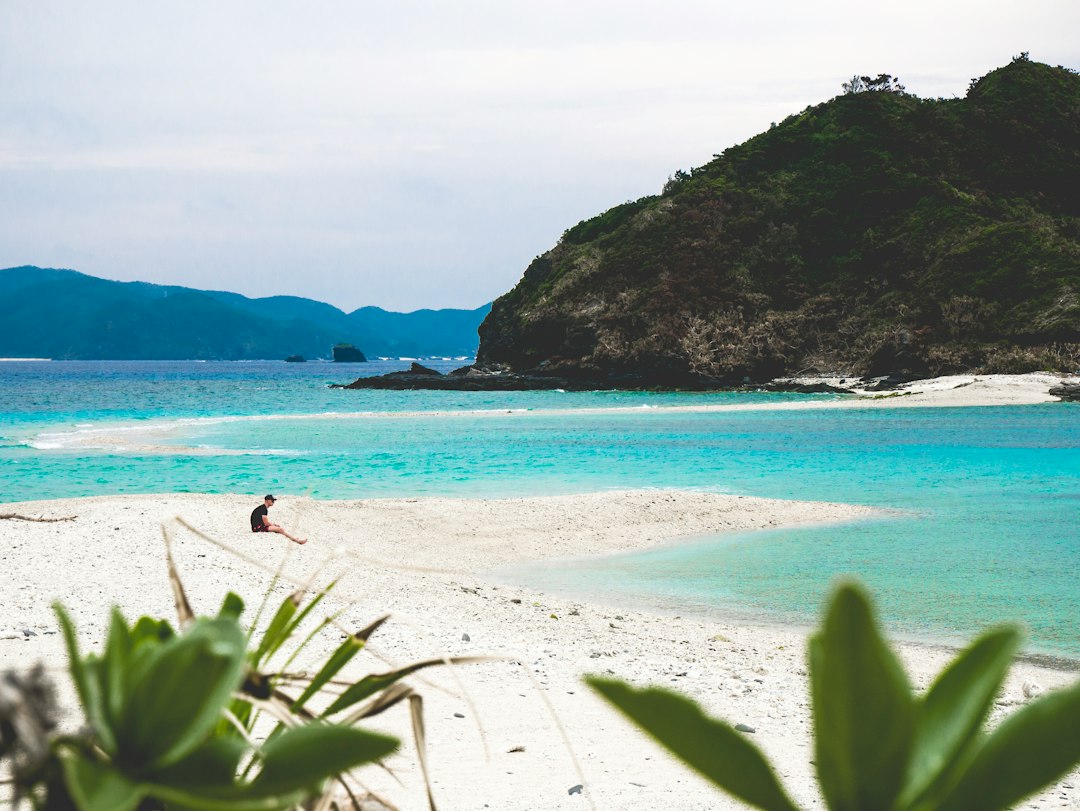
The fastest way to snorkel in the Kerama Islands without booking a hotel is the Queen Zamami high-speed ferry from Tomarin (Naha’s main ferry terminal), which gets you to Zamami Port in about 50 minutes and costs roughly ¥3,140 one-way or ¥6,090 round trip. If you want to save money and don’t mind a longer ride, the car ferry “Ferry Zamami” takes about 2 hours and costs around ¥2,150 one-way. Either way, this is a real day trip you can do without staying overnight, as long as you plan your return boat before you leave Naha.
Getting to Tomarin and Booking the Ferry
Tomarin is a 15-minute taxi ride from Naha Airport (around ¥1,500) or about 25 minutes on the 101 or 120 bus from the airport bus terminal, getting off at Tomarin-Iriguchi stop. The port building itself is easy to miss because it looks like an office block rather than a terminal — look for the Zamami Village Tourism Association counter on the ground floor. Book your ferry tickets online through the Zamami Village Tourism Association site at least a few days ahead if you’re traveling in July or August, since the Queen Zamami’s morning departures (typically around 9:00 and 10:00) sell out on Saturdays. Walk-up tickets are usually fine on weekdays outside peak summer.
Which Beach to Snorkel: Furuzamami vs Ama
Furuzamami Beach is the default choice because it’s a 15-minute walk from the port, or a free shuttle bus runs during peak season for about ¥300. The sand here is genuinely white coral sand, not imported, and the reef starts just 20-30 meters from shore in waist-to-chest-deep water, which makes it workable even for nervous swimmers. Ama Beach, on the north side of the island, is quieter and the spot locals mention for sea turtle sightings, but you’ll need a rental bicycle (about ¥1,500/day from shops near the port) or a 20-minute taxi to get there, and there are no shower facilities, just a basic toilet block.
Guided Tour or DIY Snorkeling
You don’t need a tour to snorkel at Furuzamami — rental shops right by the beach entrance (several operate seasonally, charging around ¥1,500-2,000 for a half-day mask, snorkel, and fins set, sometimes with a wetsuit option for an extra ¥1,000) let you walk in and go. If you want to reach the better coral further offshore or specifically look for turtles, a boat snorkel tour booked through one of the dive shops clustered near the port (prices generally run ¥6,000-9,000 for a half-day including gear and a guide) is worth it, since the boat operators know which cove the turtles are feeding in that week. Several shops also run glass-bottom boat tours for around ¥2,000 if you’re traveling with someone who doesn’t want to get in the water.
Timing the Day So You Don’t Get Stuck
This is the part people underestimate. If you take the 9:00 Queen Zamami over, you’ll land around 9:50, giving you roughly six hours on the island before you need to be back at the port for a mid-afternoon return — the last high-speed boat back to Naha is typically around 16:00 or 17:00 depending on the season, and missing it means either paying for last-minute accommodation (limited, and pricier than you’d expect for a small island) or waiting for the next day’s sailing. Check the current day’s ferry schedule at the Tomarin counter or the Zamami Village Tourism Association site before you leave Naha, because schedules shift seasonally and the Kerama route is one of the first to get cancelled for even moderate wind, not just typhoons.
What to Actually Pack
Reef-safe sunscreen is non-negotiable — Zamami’s waters are inside the Kerama Shoto National Park, and some shops will ask you to rinse off regular sunscreen before entering the water. Bring cash; while the ferry ticket counter and larger dive shops take cards, several of the small rental huts by Furuzamami Beach are cash-only. There’s a coin-operated shower at Furuzamami (¥100 for a few minutes) but no lockers on the beach itself, so leave valuables at the port’s coin lockers (around ¥300-500) before you walk down. For lunch, options are limited to a handful of small places near the port like the local soba shop and a small supermarket (Yui Market) for onigiri and drinks — there’s no convenience store chain on the island, so don’t count on finding food past mid-afternoon near the beach.
Best Conditions and Visibility
The snorkeling season generally runs April through October, with the clearest water — locally nicknamed “Kerama Blue” for its visibility, sometimes 20-30 meters — typically in May and June before the peak summer crowds and again in late September once the school holiday rush ends. Water temperatures stay swimmable without a wetsuit from June through September; outside that window you’ll want the rental wetsuit even if the air feels warm, since the water cools faster than the land.
One Thing to Check Before You Commit to the Day
Because the Kerama crossing is genuinely exposed water, not a sheltered bay crossing, ferries here get cancelled more often than first-time visitors expect — sometimes with only a few hours’ notice posted at the Tomarin counter. If you’re traveling on a tight schedule (say, a short Okinawa trip with only one spare day), it’s worth checking the forecast the night before and having a backup plan, like snorkeling at a mainland Okinawa beach instead, rather than building your whole visit around a single crossing with no slack.
Photo by Ramon Kagie on Unsplash