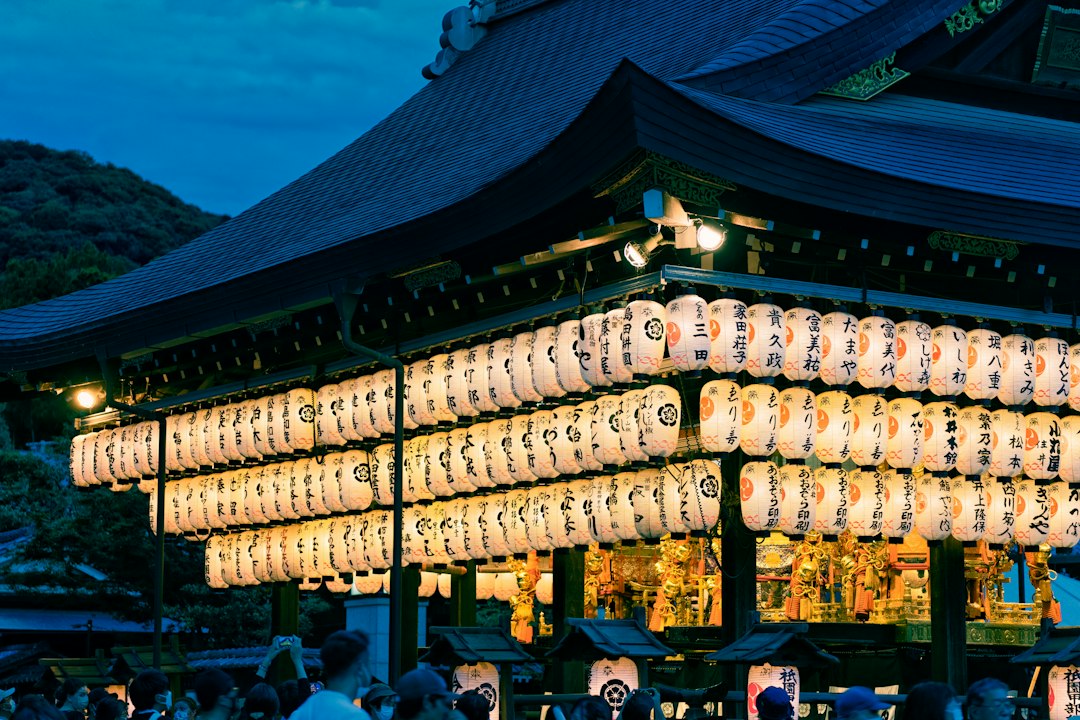
Arriving in Japan Between December 29 and January 3? Read This First
If your flight lands during this window, the single most important thing to know is that Japan effectively shuts down for three days. January 1-3 is called “shogatsu sanganichi,” and banks, post offices, hair salons, and most standalone restaurants close their shutters completely. Convenience stores (7-Eleven, Lawson, FamilyMart) stay open and are your reliable backup for food, cash withdrawal via the ATM, and even hot coffee. Department stores reopen on January 2 specifically for lucky bag sales, so don’t assume everything is dead - it’s selectively dead, and knowing which half is open saves a lot of frustration.
Hatsumode: The First Shrine Visit, and Where the Crowds Actually Go
Hatsumode is the first shrine or temple visit of the year, ideally done within the first three days, though anytime in January still counts as acceptable by most priests I’ve asked. The three most visited sites in the country are Meiji Jingu in Tokyo (around 3 million visitors over three days, nearest access via Harajuku Station on the JR Yamanote Line, one-minute walk to the south entrance), Narita-san Shinsho-ji near Narita Airport, and Fushimi Inari Taisha in Kyoto (roughly 2.7 million visitors, five minutes from Kyoto Station on the JR Nara Line to Inari Station, right outside the main torii gate). These shrines never actually close, which surprises a lot of visitors - Fushimi Inari in particular is open 24 hours year-round.
The crowd-avoidance trick locals use: skip January 1 entirely and go either very early on January 2 (before 7am) or wait until January 5-7, when the queues at Senso-ji in Asakusa drop from a 2-3 hour wait to something closer to 15 minutes. Senso-ji’s main hall is accessible via Asakusa Station on the Tobu Skytree Line, Ginza Line, or Toei Asakusa Line, and the gate stays lit and open through the night on New Year’s Eve for the midnight rush.
Omikuji Fortune Slips
Once inside, most people draw an omikuji paper fortune for ¥100-300. If you get a bad fortune (kyo or dai-kyo), the custom is to tie it onto the wooden rack or rope provided at the shrine (called a musubidokoro) rather than carry it home with you - taking home bad luck is considered poor form, even if you don’t believe in it.
Joya no Kane: The 108 Bells of New Year’s Eve
At midnight, Buddhist temples across the country ring a large bronze bell 108 times, representing the 108 earthly desires in Buddhist teaching. Zojoji Temple near Tokyo Tower (two minutes from Onarimon Station on the Toei Mita Line, or Shiba-koen Station on the Toei Oedo Line) holds a public ceremony where anyone can stand in the courtyard and listen for free, though the actual bell-ringing slots go to a small lottery group. In Kyoto, Chion-in in Higashiyama does the same - arrive by around 10:30pm on December 31 if you want a decent spot near the front; the walk from Higashiyama Station on the Tozai subway line takes about seven minutes.
Food Traditions: Toshikoshi Soba, Osechi, and a Real Choking Warning
On New Year’s Eve, the tradition is eating toshikoshi soba (year-crossing buckwheat noodles), symbolizing a clean break from the old year since the noodles are easy to cut. Every convenience store sells a basic set for roughly ¥500-700 if you don’t want to track down a dedicated soba shop (note that many famous soba restaurants, like Kanda Yabu Soba in Tokyo, are themselves closed January 1-3).
Osechi ryori is the elaborate New Year’s meal served in stacked lacquer boxes called jubako, with each ingredient carrying a pun-based meaning - kuromame (black beans) for diligence, kazunoko (herring roe) for fertility, and so on. Department store basements (depachika) like Isetan Shinjuku or Takashimaya Nihonbashi sell pre-order jubako sets ranging from about ¥15,000 to ¥60,000, but these require ordering by early-to-mid December. If you’re arriving without a pre-order, 7-Eleven and Lawson both sell smaller single-portion osechi trays for roughly ¥3,000-5,000 starting around December 28, which is realistically your best walk-in option as a visitor.
One genuine safety note: mochi (sticky rice cakes), usually eaten in ozoni soup on New Year’s Day, causes several choking deaths among elderly people in Japan every single year - Tokyo Fire Department issues public warnings about it annually. If you’re served mochi, cut it into small pieces before eating, especially for kids or elderly travel companions.
Fukubukuro: Lucky Bags and the January 2 Shopping Rush
Lucky bags (fukubukuro) go on sale starting January 2, when department stores reopen. Ginza Mitsukoshi and Shibuya 109 are known for lines forming well before opening - some brand counters like Zara or Uniqlo open as early as 6am at flagship locations for this specifically. Bags typically cost ¥5,000-30,000 and are sealed, meaning you don’t know the exact contents, though the retail value inside is usually marketed as two to three times the bag price. If treasure-hunting isn’t your thing, it’s still worth watching the crowds outside Ginza Six or Matsuya Ginza around 9:45am on January 2 - it’s a genuine spectacle of orderly Japanese queuing culture.
Cold-Weather Practicalities Nobody Mentions
Tokyo in early January averages around 10°C in the daytime and drops close to 1-2°C at night - not brutal, but damp cold that cuts through a regular coat. Kyoto runs a few degrees colder with occasional light snow dustings on temple roofs, which honestly makes for better photos at places like Kinkaku-ji. Every convenience store sells disposable kairo pocket warmers for about ¥30-50 each, and they’re genuinely effective - locals stick them inside gloves and on their lower backs while queuing outside shrines for hours.
Trains, Timing, and One Real Warning Before You Book
On the night of December 31 into January 1, major urban lines like the JR Yamanote Line and Tokyo Metro extend service through the night specifically to move hatsumode crowds - instead of the usual last train around 1am, some lines keep running trains roughly every 15-20 minutes until close to 5am. Outside the big cities, though, assume normal last-train times apply.
The thing that catches foreign visitors off guard isn’t New Year’s Eve itself - it’s the return rush on January 2-4, when everyone who traveled home for the holidays heads back to the cities at once. Reserved Shinkansen seats between Tokyo and Osaka, or to and from Niigata’s ski regions, sell out days in advance for the evening trains on January 3 specifically. If you’re relying on a Japan Rail Pass or planning any long-distance train travel in that window, reserve your seat through the JR app or a ticket counter at least a week ahead, or you’ll be standing in the aisle for two-plus hours in an unreserved car. Traveling on January 1 itself or waiting until January 5 avoids almost all of this congestion, and it’s honestly the better time to actually enjoy hatsumode anyway, since the worst of the shrine crowds have already thinned out by then.
Photo by ayumi kubo on Unsplash