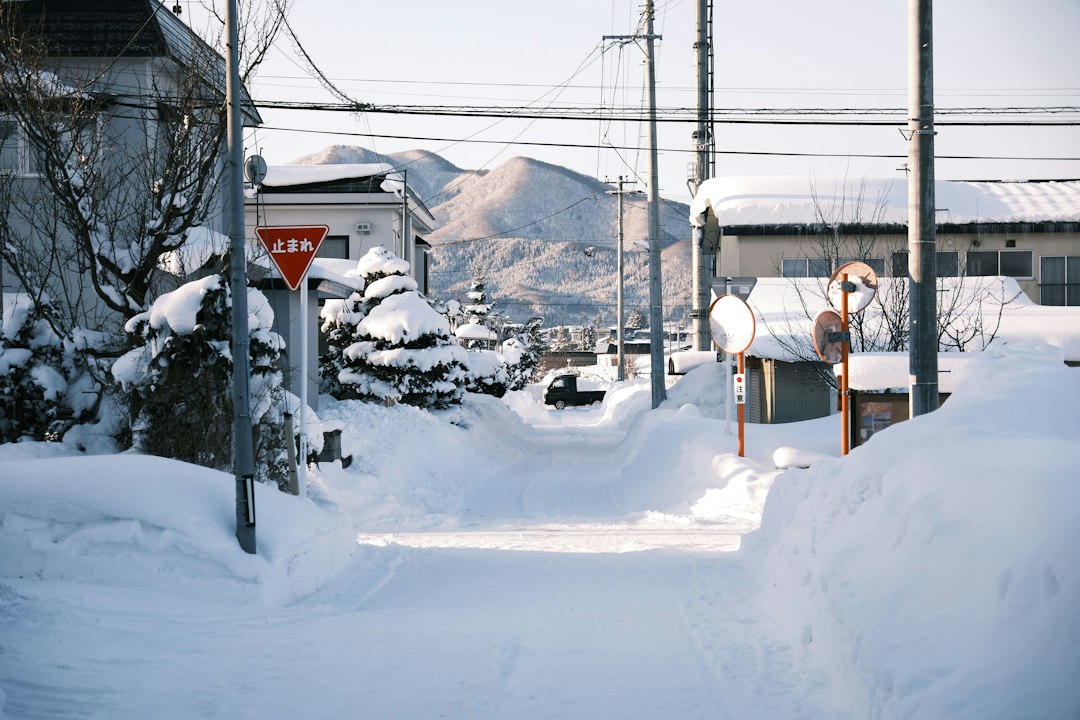
If you’ve already decided Kurokawa Onsen is where you want to spend part of your winter trip, here’s the one fact that matters most before anything else: buy the wooden tegata pass (1,300 yen, sold at the Kurokawa Onsen Tourist Information Center, open 8:30am–9pm) and it gets you into three different open-air baths at any of roughly 24 participating ryokan, valid for six months, no need to use them all in one day. Everything else about this Kumamoto Prefecture hot spring village — the lack of neon, the moss-covered stone paths along the Tanoharu River, the way steam just hangs over the rooftops on a January morning — follows from that one practical detail.
Getting There: No Train Line Goes Anywhere Near It
Kurokawa Onsen sits in the mountains of Minamioguni Town, and there is no station within walking distance — this trips up a surprising number of first-time visitors who assume every onsen town in Japan is train-accessible. The realistic options are the Kyushu Odan Bus (Kyushu Cross-Country Bus), which runs from Hakata Bus Terminal in Fukuoka to Kurokawa Onsen in about 2 hours 50 minutes for roughly 3,250 yen one-way, or from Kumamoto Kotsu Center via Aso, about 2 hours and around 2,400 yen. From Yufuin, the same bus line takes about 1 hour and costs around 1,800 yen, which makes a Yufuin–Kurokawa combination a sensible two-night itinerary. Buses run only a handful of times daily (reduced further around New Year), so check the Kyushu Odan Bus timetable and reserve a seat in advance for the Dec 29–Jan 3 window — buses do sell out. Driving is an option too, but winter roads up here ice over by late December; rental cars need snow tires, and chains are worth carrying even then.
How the Tegata Rotenburo-Hopping System Actually Works
The tegata is a small round wooden plaque, often carved with a jizo motif, strung on a cord. You present it at the entrance of any participating ryokan’s outdoor bath, get a hole punched or a sticker added, and can use it at three total baths before it’s spent (you can also just buy single-entry tickets for 500–700 yen at baths not using your remaining punches). Towels are not provided at most outdoor baths — bring your own small one or buy one at the information center for about 350 yen. The baths are scattered across town, connected by a walking path that takes maybe 25–30 minutes end to end, so you’re not driving between soaks, you’re strolling in your yukata and geta sandals, which is half the point of staying here rather than just day-tripping.
Which Baths Are Actually Worth Your Three Punches
Shinmeikan’s cave bath — a genuine rock tunnel you wade into, called the Doro-yu — is the one almost every local recommends first; the water temperature inside the cave runs noticeably hotter than the river-facing basin just outside it. Yamamizuki has a long, narrow rotenburo built right against the Tanoharu River, so in winter you’re sitting in 40°C water with snow landing on your shoulders and the river running a meter away. Ikoi Ryokan has one of the largest mixed-gender riverside baths in town (women’s-only hours are posted separately, usually mornings), which feels more communal and less private than the others. Oyado Noshiyu is smaller and family-run, with maybe a dozen people in it at once rather than thirty, which matters if you’re trying to avoid tour groups between 10am and 3pm — the worst crowding window for day-trippers arriving by bus tour from Kumamoto or Beppu.
Winter Specifically: The Yukiakari Snow Lantern Nights
Kurokawa Onsen runs a winter-only event called Yukiakari (snow lantern road) in mid-January, when volunteers set out hundreds of handmade bamboo and washi-paper lanterns along the river path and the main walking street, lit from around 6pm to 9pm. There’s no admission fee to walk the lantern route itself. Combined with actual snowfall, which is common at this elevation (roughly 700m) from late December through February, this is the single best reason to choose Kurokawa over a lower-altitude onsen town for a winter visit — the wooden ryokan facades, bare trees, and lantern light together look almost nothing like daytime photos of the same street. Pack real winter layers: a heattech base layer, a proper down jacket, and waterproof shoes, because you will be walking outdoors between baths in freezing air with wet hair.
New Year and Hatsumode Nearby
Kurokawa itself doesn’t have a major shrine for hatsumode, but Aso Shrine, one of Kyushu’s most important shrines and roughly 45 minutes away by car or connecting bus via Aso Station, draws large hatsumode crowds on January 1st–3rd. If visiting over New Year, plan your Kurokawa stay for either just before December 29th or just after January 4th — ryokan here book out for New Year’s Eve (toshikoshi) six months or more ahead, and rates typically jump 30–50% above regular winter weekend pricing for a two-night minimum stay over the holiday.
Where to Stay and What It Costs
Ryokan rates in Kurokawa with two meals (dinner kaiseki and breakfast) typically run 20,000–45,000 yen per person per night depending on whether your room has a private open-air bath. Sansuikan and Yamamizuki sit at the higher end with riverside private rotenburo rooms; Oyado Noshiyu and smaller family inns come in closer to the 20,000–28,000 yen range. Almost none of these take same-day walk-in bookings during winter weekends — reserve through the ryokan’s own site or Jalan at least a month out for regular dates, and far earlier for the New Year period.
Eating and Walking the Town Itself
The main walking street is short — maybe 400 meters of shops and ryokan entrances — so don’t expect a sprawling town center. There’s a free footbath (ashiyu) just outside the Tourist Information Center where you can sit and soak your feet while deciding which bath to use next. For food, Chikairi Soba near the river serves handmade soba noodles in a simple wooden dining room, and there are a few small bakeries and dango stalls along the path selling warm snacks that make sense in freezing weather — grilled mochi and amazake are the obvious winter choices. Most restaurants close by 7 or 8pm, so if you’re staying somewhere without dinner included, eat early.
One Practical Warning Before You Book
Cash is still king here — several of the smaller bath entrances and food stalls don’t take cards, and the nearest ATM that reliably works with foreign cards is at a convenience store a short drive away in Minamioguni, not within the onsen village itself. Withdraw what you need in Kumamoto or Fukuoka before you arrive. And if you’re driving yourself in winter, check road conditions on the Kyushu road authority site the morning you travel — the mountain pass roads into Kurokawa are among the first in the region to close after heavy snowfall, and there’s no train alternative to fall back on if the bus gets cancelled too.
Photo by Seiya Maeda on Unsplash