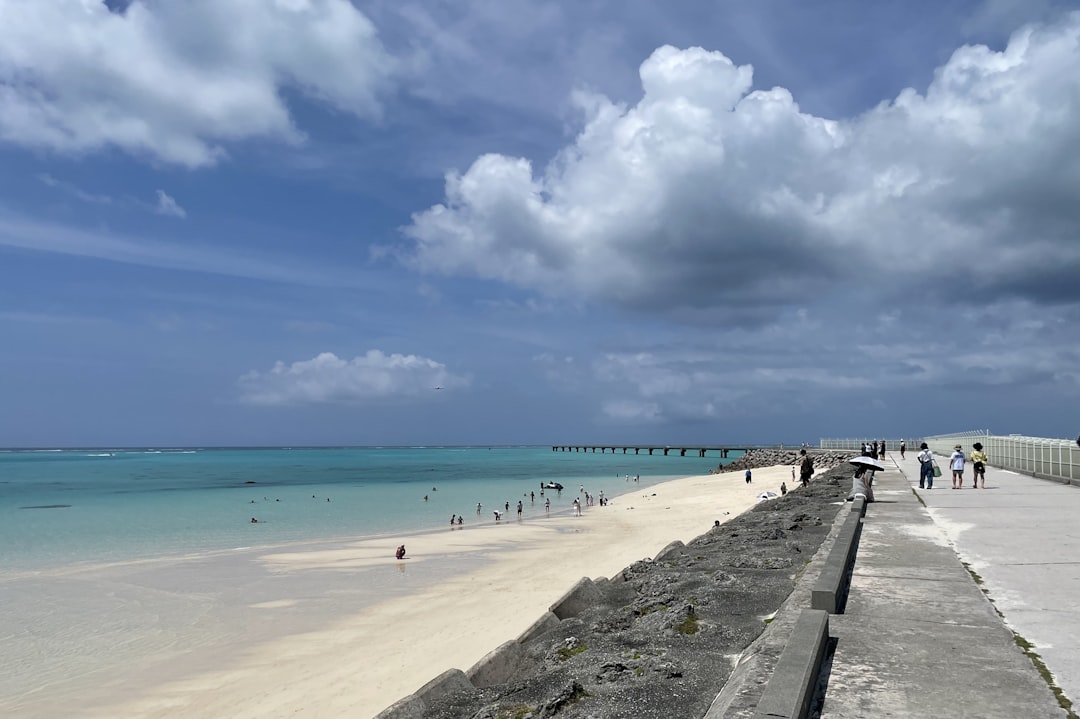
Where Japan Feels Like the Edge of the World
Far south of Okinawa’s main island, closer to Taiwan than to Tokyo, lies a scattering of subtropical islands known as the Yaeyama archipelago. This is where Japan sheds its neon-lit, high-speed image and reveals something entirely different: turquoise lagoons, mangrove-lined rivers, coral reefs teeming with color, and beaches so remote that footprints often disappear before the next visitor arrives. For travelers craving a true beach escape without crowds, souvenir shops, or beachfront resorts every few meters, the Yaeyama Islands are one of the last places in Japan where that dream is still possible.
Unlike the popular beaches of mainland Okinawa, the Yaeyama Islands require a bit more effort to reach, and that effort is precisely what keeps them wild. This guide explores why these islands should be on every off-the-beaten-path traveler’s list, which islands to prioritize, and how to plan a trip that feels like a genuine escape rather than a checklist tour.
What Makes the Yaeyama Islands Different
The Yaeyama Islands are part of Okinawa Prefecture but culturally and geographically distinct from the main island. The group includes Ishigaki, Iriomote, Taketomi, Yonaguni, Hateruma, and several smaller islands. Each has its own personality, but they share a few defining features:
- Coral reef systems among the healthiest in Japan, home to vivid marine biodiversity
- Subtropical jungles and mangrove forests found nowhere else in the country
- A slower pace of life shaped by fishing traditions and small-scale agriculture
- Minimal light pollution, making them some of the best stargazing spots in Japan
- Beaches that remain empty even during peak travel seasons
Because the islands are relatively difficult to access compared to mainland beach destinations, mass tourism has never fully taken hold here, which is exactly why they remain such a compelling remote beach escape.
Ishigaki: The Gateway Island With Postcard Beaches
Ishigaki is the main hub of the Yaeyama Islands, with the only major airport in the region. While it is more developed than its neighboring islands, it still offers beaches that rival anywhere in Southeast Asia for color and clarity.
Kabira Bay
Famous for its glass-bottom boat tours, Kabira Bay is one of the most photographed spots in Okinawa. Swimming is restricted in parts of the bay to protect the pearl farms and coral, but the surrounding coastline offers plenty of quiet coves for a peaceful swim or snorkel.
Yonehara Beach
This beach is a snorkeler’s paradise, with coral reefs beginning just a few meters from the shore. Sea turtles are frequently spotted here, especially in the early morning before the crowds, however sparse, arrive.
Sukuji Beach
A long, wide stretch of white sand with calm, shallow waters ideal for families or anyone wanting a low-key beach day away from the more touristy spots on the island.
Iriomote: Jungle Meets Ocean
If Ishigaki is the gateway, Iriomote is the wild heart of the Yaeyama Islands. Roughly ninety percent of the island is covered in dense subtropical rainforest, and it is home to the endangered Iriomote wildcat, found nowhere else on Earth. The beaches here feel almost secret, often accessible only after a short jungle hike or a kayak trip up a mangrove river.
- Hoshizuna-no-Hama (Star Sand Beach): Named for the star-shaped sand particles that wash ashore, this beach is both a natural curiosity and a beautiful place to relax
- Nakama River mangroves: While not a beach itself, kayaking here connects to hidden coves only reachable by water
- Pinaisara Falls trailhead beaches: Combine a waterfall hike with a nearly untouched beach stop along the way
Because much of Iriomote is protected national park land, development is heavily restricted, ensuring its beaches remain some of the most pristine in Japan.
Taketomi: Old Okinawa Charm by the Shore
Taketomi Island is a short ferry ride from Ishigaki and feels like stepping back in time. Traditional red-tiled houses, sand-covered streets, and water buffalo carts define the village, while the surrounding beaches offer a quieter, more intimate coastal experience.
Kondoi Beach
A calm, shallow lagoon perfect for swimming, with soft white sand and gentle waves. This is one of the more accessible beaches on the island, yet still remarkably peaceful compared to mainland options.
Kaiji Beach
Another star sand beach, smaller and quieter than Iriomote’s version, ideal for a short, contemplative visit away from any crowds.
Yonaguni: Japan’s Westernmost Frontier
For travelers seeking true remoteness, Yonaguni is as far as Japan goes. This rugged island is better known for its dramatic underwater rock formations, often dubbed the ‘Yonaguni Monument,’ and for its population of wild horses roaming free along the coastline. The beaches here are rockier and wilder than the powdery sands of Taketomi or Kondoi, but the sense of isolation is unmatched. This is a destination for travelers who want to feel like they have reached the very edge of the map.
Planning Your Yaeyama Beach Escape
Getting There
Most travelers fly into Naha, Okinawa’s main hub, before connecting to Ishigaki Airport. From Ishigaki, ferries service the outer islands including Taketomi, Iriomote, and occasionally Yonaguni, though Yonaguni sometimes requires a separate flight due to distance and sea conditions.
Best Time to Visit
The Yaeyama Islands enjoy a subtropical climate, making them a viable destination for much of the year. Spring and early summer offer warm waters and manageable humidity, while typhoon season in late summer can disrupt ferry schedules, so building flexibility into your itinerary is wise regardless of when you travel.
What to Pack
- Reef-safe sunscreen to help protect the fragile coral ecosystems
- Water shoes for rocky entry points and coral-heavy shorelines
- A dry bag for boat trips, kayaking, and mangrove excursions
- Light, breathable clothing suited to high humidity
Respecting the Environment
The pristine nature of these beaches depends on responsible tourism. Avoid touching coral, stick to marked snorkeling areas, and take all trash with you. Many of these ecosystems are fragile and slow to recover from damage, so mindful travel is essential to preserving them for future visitors.
Why the Yaeyama Islands Are Worth the Journey
Reaching the Yaeyama Islands takes more planning than a quick weekend trip to a mainland beach town, and that is precisely their appeal. The extra flights, ferry connections, and remote logistics act as a natural filter, keeping these shores quieter and more pristine than almost anywhere else in Japan. For travelers willing to make the journey, the reward is a rare kind of beach escape: turquoise water untouched by crowds, coral reefs still vibrant with life, and a sense of stillness that is increasingly hard to find. Whether you spend your days snorkeling in Yonehara’s reefs, kayaking through Iriomote’s mangroves, or simply watching the sunset from an empty stretch of sand on Taketomi, the Yaeyama Islands offer something increasingly rare in modern travel: genuine remoteness paired with genuine beauty.
Photo by AO NURA on Unsplash