What Is the Aomori Nebuta Festival?
The Aomori Nebuta Festival is one of Japan’s three great summer festivals, alongside the Sendai Tanabata Festival and the Akita Kanto Festival. Held annually in early August in Aomori City, at the northern tip of Honshu, this dazzling event transforms the streets into a river of light, color, and thunderous taiko drumming. Giant illuminated floats depicting warriors, gods, and mythical creatures glide through the city at night, accompanied by dancers called haneto who leap and chant to the rhythmic beat of drums and flutes.
If you’re planning a summer trip to Japan and want to experience something beyond the typical temple-and-shrine itinerary, the Nebuta Festival offers an unforgettable blend of art, history, and pure communal energy. This guide covers everything you need to know to make the most of your visit.
The History Behind the Lanterns
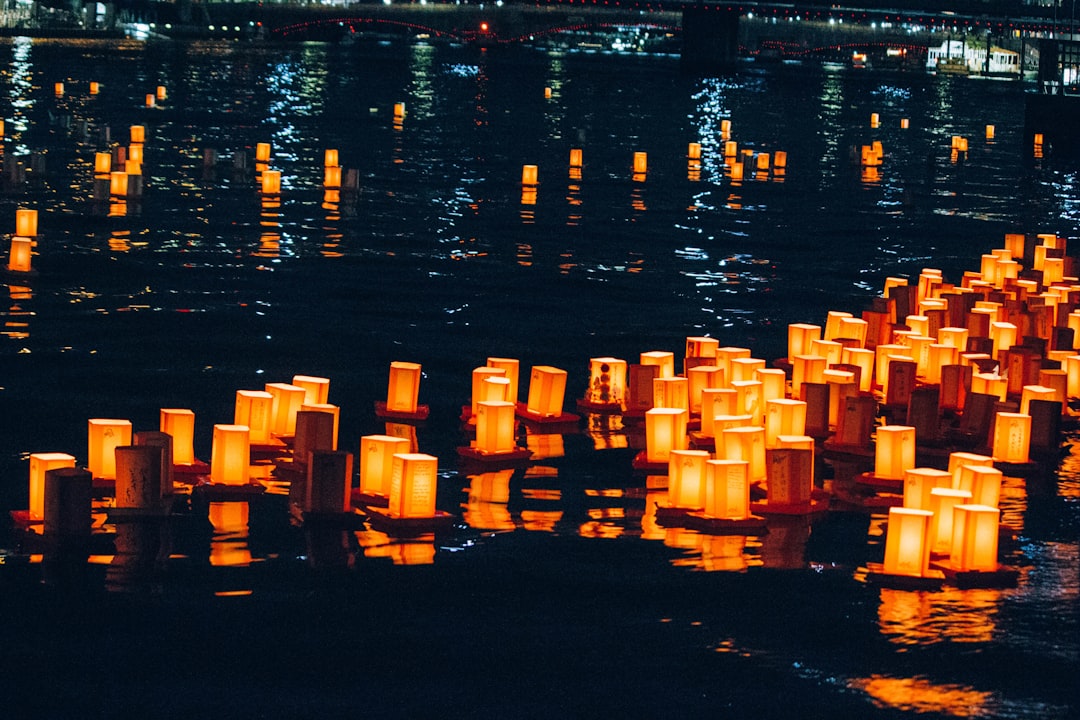
The origins of the Nebuta Festival are debated among historians, but the most popular theory links it to the Tanabata custom of floating lanterns on water to ward off sleepiness and evil spirits during the demanding summer farming season. Over centuries, this practice evolved into the construction of massive three-dimensional lantern floats made of washi paper stretched over wire frames, illuminated from within by hundreds of LED or traditional lights.
Each float, known as a nebuta, can take a full year to design and build. Local artisans called nebuta-shi are highly respected craftsmen whose work is judged in a citywide competition each festival season, with awards given for artistic merit, technical execution, and overall impact.
What Happens During the Festival
The Nightly Parades
For several consecutive nights, roughly 20 enormous nebuta floats parade through downtown Aomori City. Each float can reach up to 5 meters tall and 9 meters wide, requiring dozens of people to pull, push, and rotate them through the streets. The floats depict kabuki actors, historical battles, deities, and folklore figures, all rendered in vivid reds, blues, and golds that glow dramatically against the night sky.
Haneto Dancers
Accompanying each float are haneto dancers dressed in colorful traditional costumes decorated with bells. They hop and dance energetically alongside the floats, chanting rhythmic calls that translate roughly to encouraging shouts. The infectious energy of the haneto is a huge part of what makes this festival so exciting to witness.
Taiko Drums and Flutes
A live musical ensemble accompanies every float, featuring taiko drums, hand cymbals, and traditional flutes called fue. The pounding rhythm sets the pace for the entire parade and can be felt in your chest as the floats pass by.
Best Ways to Experience the Festival
Watching as a Spectator
Reserved seating areas are available along the parade route and typically go on sale a few months in advance. These paid seats guarantee an unobstructed view and are highly recommended if you want to avoid the crowds. Free standing areas also exist but fill up quickly, so arrive early to claim a good spot.
Joining as a Haneto Dancer
One of the most memorable ways to experience the festival is to dance in it yourself. Costume rental shops around Aomori City allow visitors to rent full haneto outfits for a modest fee, and anyone wearing the proper costume is welcome to join the dancing procession alongside locals. This is a rare, hands-on way to become part of a centuries-old tradition rather than simply observing it.
Daytime Viewing at the Warasse Museum
If you can’t attend during festival week, or want to learn more beforehand, visit the Nebuta Museum Warasse near Aomori Station. This museum displays award-winning floats from previous years up close, along with exhibits explaining the construction process, history, and cultural significance of the festival. It’s a fantastic option for travelers visiting Aomori outside of peak festival dates.
Practical Tips for Visitors
- Book accommodation in Aomori City as early as possible, since hotels fill up months in advance during festival week.
- Consider staying in nearby Hirosaki or Hachinohe if Aomori hotels are fully booked, as both cities are connected by train.
- Wear comfortable shoes and breathable clothing, as summer nights in Aomori can still be warm and the crowds require plenty of standing and walking.
- Bring a portable fan, water, and rain gear, since summer weather in northern Japan can be unpredictable.
- Arrive at your chosen viewing spot at least an hour before the parade start time to secure a good position.
- Purchase reserved seats online through official ticket vendors ahead of time if you prefer guaranteed viewing rather than standing.
Getting to Aomori
Aomori City is easily accessible via the Tohoku Shinkansen from Tokyo, with a direct route to Shin-Aomori Station taking a few hours. From there, a short local train or bus ride connects you to central Aomori City. If you’re combining the festival with a broader Tohoku itinerary, nearby destinations like Hirosaki Castle, Lake Towada, and the Oirase Gorge make excellent additions to your trip, offering beautiful natural scenery to balance the festival’s urban excitement.
Beyond the Festival: What Else to Explore in Aomori
Aomori Prefecture offers much more than its famous summer festival. The region is known for its apple orchards, fresh seafood markets, and stunning natural landscapes. A visit to the Sannai-Maruyama archaeological site offers insight into Japan’s ancient Jomon period, while the Aomori Prefectural Museum of Art houses impressive works, including pieces by local artist Shiko Munakata. Food lovers should not miss trying fresh Aomori apples, scallops, and the region’s renowned seafood bowls at Furukawa Fish Market.
Why the Nebuta Festival Should Be on Your Japan Bucket List
The Aomori Nebuta Festival is more than just a visual spectacle; it’s a living tradition that brings an entire community together in celebration of art, history, and shared joy. Whether you choose to watch from the sidelines or join the haneto dancers in the streets, the experience offers a rare glimpse into the vibrant folk culture of northern Japan. Its combination of towering illuminated art, rhythmic drumming, and infectious energy makes it one of the most memorable festival experiences available anywhere in the country.
For travelers seeking an authentic, high-energy summer experience away from the more crowded tourist circuits of Kyoto and Tokyo, Aomori’s Nebuta Festival delivers an unforgettable night under glowing giants dancing through the streets.
Photo by Atul Vinayak on Unsplash