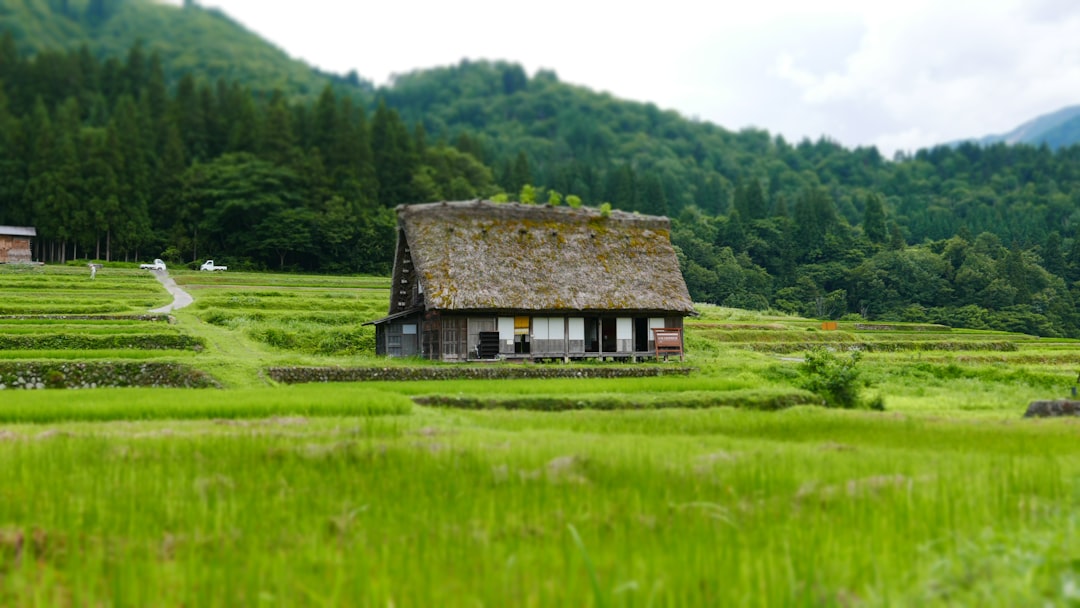
Discovering the Heart of Kyushu: Aso Countryside Farm Village
Nestled within one of the largest volcanic calderas on Earth, the Aso countryside in Kumamoto Prefecture offers travelers an authentic slice of rural Japan that feels worlds away from the neon-lit cities. Rolling green pastures dotted with grazing cattle, traditional thatched-roof farmhouses, and the ever-present silhouette of Mount Aso smoking gently in the distance create a landscape that seems almost too picturesque to be real. This guide will walk you through everything you need to know about visiting the Aso Farm Village area, from getting there to the best seasonal activities and hidden local gems.
Why Visit Aso Countryside?
Aso is unique because it combines dramatic volcanic geology with centuries-old agricultural traditions. The vast caldera, one of the largest in the world, is home to five peaks collectively known as Aso-Gogaku, with Nakadake being the most active. Surrounding this volcanic core is a patchwork of farmland where local communities have raised cattle and horses for generations using sustainable grassland management techniques passed down through generations. Visiting Aso countryside farm village areas allows travelers to experience genuine agritourism, learn about Japan’s dairy and livestock industry, and enjoy some of the freshest produce and dairy products in the country.
A Living Agricultural Heritage
Unlike manufactured tourist attractions, the farm villages around Aso are working communities. Many farms have opened their doors to visitors, offering hands-on experiences such as milking cows, feeding calves, making butter or ice cream, and harvesting seasonal vegetables. This makes Aso an excellent destination for families traveling with children, as well as anyone interested in slow travel and sustainable tourism.
Getting to Aso Countryside
Aso is most easily accessed from Kumamoto City or Fukuoka. Here are the main transportation options:
- By Train: The JR Hohi Line connects Kumamoto Station to Aso Station, with a journey time of approximately one to two hours depending on the train type.
- By Bus: Direct highway buses run from Kumamoto and Fukuoka to Aso, offering a scenic and budget-friendly alternative to trains.
- By Car: Renting a car is highly recommended for exploring the countryside at your own pace, as many of the best farm villages and viewpoints are not well served by public transportation.
- By Air: Kumamoto Airport, sometimes called Aso Kumamoto Airport, offers domestic flights and is located relatively close to the Aso region, making it a convenient gateway for those short on time.
Top Things to Do in Aso Farm Village Areas
1. Visit a Working Dairy Farm
Several farms in the region welcome visitors for tours, offering the chance to see Japanese Black cattle and Holstein dairy cows up close. Many farms also operate small shops selling fresh milk, yogurt, cheese, and rich soft-serve ice cream made right on site. These visits are especially popular with families and provide a wonderful introduction to Japan’s rural economy.
2. Explore the Aso Kusasenri Grasslands
Kusasenri, meaning “a thousand-ri of grass,” is a vast grassy plain located within the Aso caldera. Horses often graze here freely, and the area offers stunning photo opportunities with Naka-dake crater smoking in the background. Walking trails allow visitors to explore at their own pace, and the site is particularly beautiful during the golden hues of early morning or late afternoon.
3. Hike Mount Aso and the Naka-dake Crater
For those interested in geology and adventure, a visit to the active Naka-dake crater is a must, weather and volcanic activity permitting. A ropeway and walking paths bring visitors close to the crater rim, where sulfurous steam rises from the turquoise crater lake below. Always check current volcanic activity advisories before planning your visit, as access can be restricted during periods of heightened activity.
4. Experience Daikanbo Viewpoint
Daikanbo is one of the best viewpoints in the entire Aso region, offering a panoramic vista of the caldera, the five peaks, and the patchwork farmland below. It is particularly stunning during sunrise and sunset, and on clear days you can see the full scale of the volcanic landscape stretching for kilometers in every direction.
5. Try Local Farm-to-Table Cuisine
Aso is famous for its Akaushi beef, a red-haired breed of cattle known for its lean, flavorful meat. Many countryside restaurants and farm cafes serve dishes featuring this local delicacy, alongside fresh vegetables grown in the mineral-rich volcanic soil. Don’t miss the chance to try Aso milk products, jersey milk ice cream, and seasonal produce sold at roadside farm stands.
6. Relax in a Countryside Onsen
The volcanic activity that shapes the landscape also blesses the region with numerous natural hot springs. Small ryokan and public bathhouses throughout the countryside offer relaxing soaks with views of the surrounding hills, providing the perfect way to unwind after a day of exploring.
Best Time to Visit Aso Countryside
Aso countryside farm village areas offer something beautiful in every season:
- Spring: Fresh green grass, mild temperatures, and newborn farm animals make spring an ideal time for family visits.
- Summer: Lush green grasslands and cooler mountain temperatures offer a refreshing escape from the humidity of Japanese cities.
- Autumn: The grasslands turn golden brown, and the annual controlled grassland burning tradition, known as noyaki, prepares the land for the next growing season.
- Winter: Occasional snow dusts the highlands, creating a serene, quiet atmosphere perfect for hot spring visits and cozy farmhouse stays.
Where to Stay in Aso Countryside
Accommodation options range from traditional ryokan inns with hot spring baths to rustic farm stays where guests can participate in daily agricultural work. Staying overnight in a farm village allows visitors to experience the tranquility of the countryside after day-trippers have departed, with clear night skies perfect for stargazing given the low light pollution in the region.
Practical Tips for Visiting Aso Farm Village
- Rent a car if possible, as the countryside is spread out and public transport schedules can be infrequent.
- Check volcanic activity alerts before hiking near the crater, as access is sometimes restricted for safety reasons.
- Bring layers of clothing, as mountain weather can change quickly regardless of the season.
- Support local farms by purchasing dairy products, vegetables, and crafts directly from farm shops and roadside stands.
- Plan for at least one full day, or ideally an overnight stay, to fully appreciate the pace and beauty of the countryside.
Nearby Attractions Worth Exploring
While in the area, consider extending your trip to include the historic town of Kurokawa Onsen, known for its atmospheric hot spring inns, or Kumamoto City itself, home to the impressive Kumamoto Castle. Both destinations pair wonderfully with a countryside excursion and can help round out a well-balanced Kyushu itinerary.
Final Thoughts
The Aso countryside farm village region offers a rare opportunity to experience rural Japan in its most authentic form. From volcanic craters and grassy plains to dairy farms and farm-to-table cuisine, this corner of Kumamoto Prefecture rewards travelers who venture beyond the typical tourist trail. Whether you are seeking adventure, relaxation, or a deeper connection with Japanese agricultural traditions, Aso countryside promises an unforgettable and evergreen travel experience.
Photo by Victor Lu on Unsplash