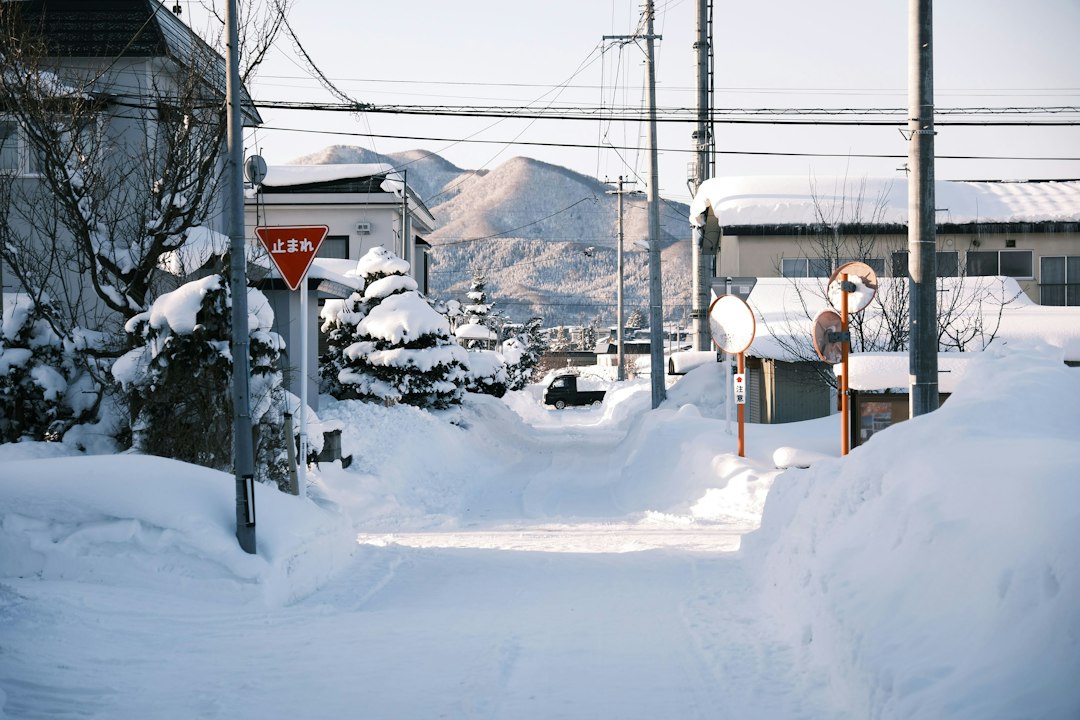
Why Winter 2026 Is the Perfect Time for an Onsen Escape
There is nothing quite like sinking into a steaming rotenburo (outdoor bath) while snowflakes drift past your shoulders. As winter break and New Year holidays approach in 2026, thousands of travelers are heading to Japan’s hot spring towns to soak away the cold, watch illumination displays, and experience hatsumode (the first shrine visit of the year). But packing for an onsen town in the depths of winter is different from packing for Tokyo or Osaka sightseeing. Between sub-zero mountain temperatures, snow-covered ryokan paths, and onsen-specific etiquette, a little preparation goes a long way. This guide walks you through exactly what to pack, what to leave behind, and how to navigate crowds during Japan’s busiest holiday season.
Before You Pack: Winter Travel Essentials for 2026
Visa and Entry Requirements
As of 2026, most Western passport holders (including the US, UK, EU, Canada, and Australia) can still enter Japan visa-free for short-term tourism stays of up to 90 days. However, Japan has been rolling out digital entry procedures, so it is worth completing your Visit Japan Web registration in advance to speed up immigration and customs at the airport. Requirements can shift, so always double-check the official Ministry of Foreign Affairs website or your nearest Japanese embassy before departure.
IC Cards and JR Pass Updates
For getting to remote onsen towns, you will likely combine trains, buses, and sometimes taxis. Suica and Pasmo IC cards remain the easiest way to pay for transport and convenience store purchases, and as of 2026 many card readers now accept mobile wallet versions loaded directly onto foreign smartphones, reducing the need to carry physical cards. If your itinerary involves long-distance travel (for example, Tokyo to Kusatsu, Hakone, or Zao Onsen), compare regional rail passes against the nationwide JR Pass, which has remained at its higher price point since the October 2023 increase. For most onsen-focused trips, a regional pass or individual tickets are often more cost-effective than the full JR Pass.
Tax-Free Shopping
Japan’s consumption tax remains at 10%, and tax-free shopping is still available for tourists spending over 5,000 yen (before tax) at participating stores, provided you show your passport at checkout. Onsen towns often have local craft shops selling lacquerware, sake, and yukata fabric, so keep your passport handy if you plan on souvenir shopping.
Core Packing List for Onsen Towns
Layered Clothing for Snow and Steam
Onsen towns like Kusatsu, Nyuto, Ginzan, and Zao sit in mountainous regions where winter temperatures regularly drop below freezing, while indoor ryokan rooms are kept warm with kotatsu tables and heated floors. The key is flexible layering:
- A heat-tech or merino wool base layer to wear under your yukata at night
- A warm mid-layer fleece or wool sweater
- A waterproof, insulated outer coat with a hood for snow and wind
- Thermal leggings for walking between the ryokan and outdoor baths
- Wool socks, since many ryokan floors are tatami and can feel cold underfoot
Footwear
Cobblestone onsen streets and unplowed side paths get icy fast. Pack waterproof, non-slip winter boots rather than fashion boots. If you plan to hike to remote baths like Nyuto Onsen in Akita, slip-on ice cleats (available cheaply at Japanese drugstores or online) are a lifesaver. Bring easy-to-remove shoes too, since you will constantly be taking footwear on and off entering ryokan, restaurants, and bath areas.
Onsen-Specific Items
- A small hand towel (tenugui) for modesty while walking to and from the bath — most ryokan provide one, but travelers who plan to onsen-hop should bring a quick-dry travel towel
- Flip-flops or sandals for indoor movement, especially in shared ryokan corridors
- Hair ties for long hair, since it must be kept out of the water
- A reusable water bottle, since soaking is dehydrating even in winter
- Basic toiletries in travel sizes, although most ryokan supply shampoo, conditioner, and body soap
Tattoo-Friendly Options
Many traditional onsen still restrict visible tattoos. If you have tattoos, pack a few waterproof tattoo cover patches or research tattoo-friendly onsen and private family baths (kashikiri-buro) in advance so you are not caught off guard at check-in.
Cold-Weather Preparation Tips
Winter in onsen country is beautiful but unforgiving if you are underprepared. A few extra additions make a big difference:
- Disposable heat packs (kairo), sold at every convenience store, to tuck into gloves, pockets, or boots
- A neck gaiter or scarf to protect against biting mountain wind
- Lip balm and a rich moisturizer, since heated indoor air and cold outdoor air both dry out skin quickly
- A compact umbrella, as coastal and mountain onsen towns can see sudden snow squalls or freezing rain
- Portable phone battery packs, since cold weather drains batteries faster
Crowd Avoidance Strategies for New Year and Hatsumode Season
Late December through the first week of January is peak season around onsen towns near major shrines, as visitors combine a hot spring soak with hatsumode. To avoid the worst crowds:
- Book ryokan accommodation at least two to three months ahead for stays between December 28 and January 4
- Visit popular baths right after breakfast or late at night, avoiding the 4 pm to 7 pm rush when day-trippers arrive
- Consider slightly less famous alternatives to Hakone or Kusatsu, such as Nozawa Onsen, Shibu Onsen, or Yunomine Onsen, which offer equally atmospheric baths with thinner crowds
- If chasing illumination displays, go on a weekday evening rather than weekends or the days immediately surrounding New Year’s Eve
Best Onsen Towns for Winter 2026
Some of the most rewarding winter onsen destinations this season include Ginzan Onsen in Yamagata for its snow-lantern nights, Nyuto Onsen in Akita for rustic milky-white baths deep in the forest, Zao Onsen for combining a soak with views of the famous “snow monsters” (ice-covered trees), and Kinosaki Onsen in Hyogo for its walkable, yukata-clad streetscape lined with seven public bathhouses.
Luggage Forwarding and Packing Smart
Because onsen towns often require train-to-bus-to-taxi transfers through snow, consider using Japan’s reliable takkyubin luggage forwarding service to send large suitcases ahead to your ryokan, keeping only a small daypack for the actual journey. This is especially helpful in winter, when navigating icy station stairs with heavy luggage is both exhausting and risky. Most hotels and even convenience stores can arrange this for a modest fee, typically arriving within one to two days.
Final Checklist
- Passport and Visit Japan Web QR code
- IC card or mobile wallet loaded with yen
- Layered thermal clothing and waterproof winter boots
- Small towel, hair tie, and tattoo cover if needed
- Heat packs, lip balm, and portable charger
- Reservation confirmations for peak New Year dates
- Cash, since many rural ryokan and small onsen towns remain cash-preferred
With the right packing strategy, a winter trip to Japan’s onsen towns in 2026 can be one of the most memorable parts of your holiday season — warm baths, snowy landscapes, and none of the stress that comes from being unprepared for the cold. Always double-check current entry, transport, and tax-free policies on official Japanese government sites closer to your travel date, since details can shift year to year.
Photo by Seiya Maeda on Unsplash