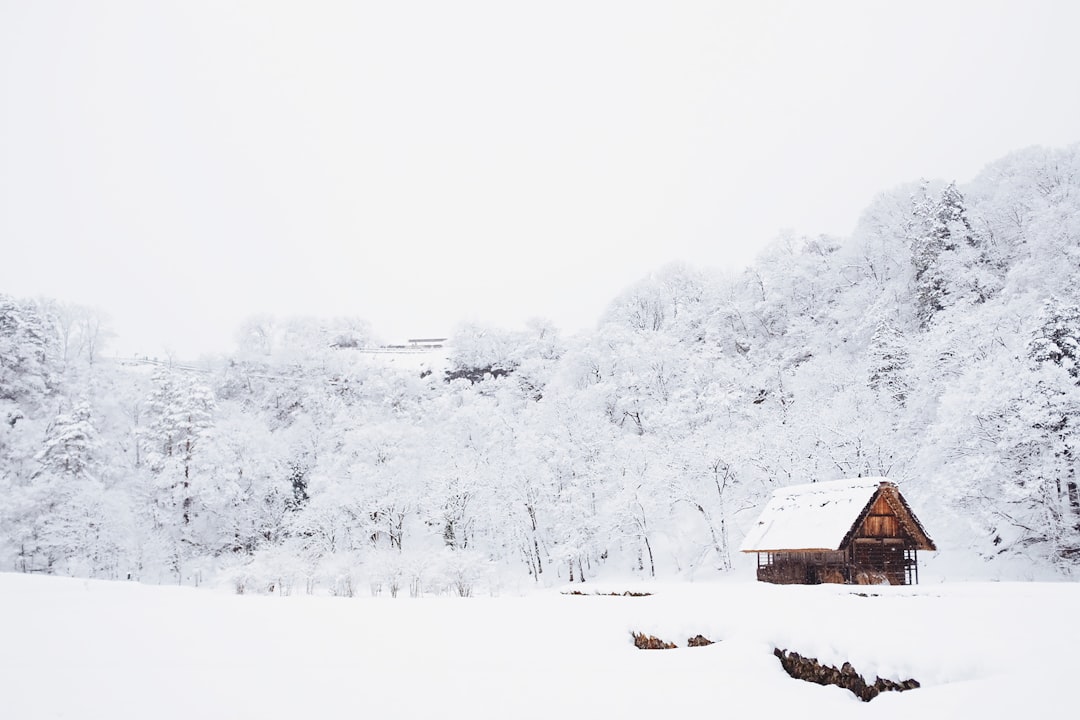
Why Hakone Shines Brightest in Winter
When the mercury drops and the maple leaves finally fall, Hakone transforms into one of Japan’s most magical winter escapes. Crisp mountain air, steaming onsen baths, and dazzling winter illumination displays combine to create the perfect year-end and New Year getaway just 90 minutes from Tokyo. On clear winter days, Mount Fuji appears in its sharpest, most snow-capped form, framed by Lake Ashi and the volcanic peaks of Owakudani. This guide covers the best illumination spots, top onsen ryokan, hatsumode shrine visits, and practical cold-weather tips so you can plan a stress-free winter holiday in Hakone.
Top Winter Illumination Spots in Hakone
Hakone Gora Park Winter Lights
Gora Park’s French-style fountains and rose garden glow softly under seasonal illumination, offering a romantic evening stroll after a day of sightseeing. The park is compact enough to enjoy even in freezing temperatures, and nearby cafes serve hot amazake and matcha to warm up between photo stops.
Lake Ashi and the Floating Torii at Night
While Lake Ashi’s pirate ships stop running earlier in winter, the illuminated approach to Hakone Shrine and its iconic floating torii gate is stunning after dark, especially with a dusting of snow. Bring a tripod for long-exposure shots of the lights reflecting on the water.
Gotemba and Odawara Area Illuminations
Just outside central Hakone, seasonal light festivals at nearby outlet malls and parks make an easy add-on if you’re traveling via Odawara Station. Check current-year event calendars before you go, as exact display dates and locations can shift annually.
Soaking in Onsen Under Snow-Dusted Skies
There is nothing quite like sinking into a steaming rotenburo (open-air bath) while snowflakes drift down around you. Hakone’s onsen towns—Yumoto, Tonosawa, Miyanoshita, Gora, and Sengokuhara—each offer distinct atmospheres and mineral-rich waters said to ease muscle fatigue and improve circulation, making them ideal after a day of winter walking.
- Hakone Yumoto: The most accessible onsen town, packed with day-trip bathhouses and traditional ryokan near the station—perfect for travelers with limited time.
- Gora and Sengokuhara: Higher elevation means a greater chance of snow and quieter, more secluded rotenburo with mountain views.
- Private-bath ryokan: For maximum comfort during cold snaps, book a room with an attached private open-air bath so you can soak any time without venturing outdoors in winter chill.
New Year and Hatsumode in Hakone
Hakone is a wonderful alternative to Tokyo’s crowded shrines for hatsumode, the traditional first shrine visit of the New Year. Hakone Shrine, nestled in a cedar forest beside Lake Ashi, draws visitors for its dramatic torii gate and serene setting. If you plan to visit around New Year’s Day itself, expect queues and arrive early morning or in the late afternoon to avoid the midday peak. Many ryokan also offer special New Year’s kaiseki dinners featuring osechi-inspired dishes, and some display mochi-pounding demonstrations for guests.
Cold-Weather Packing and Preparation Tips
Hakone’s mountainous terrain means temperatures run noticeably cooler than central Tokyo, and winter mornings can dip near or below freezing. Proper preparation makes the difference between a miserable trip and a cozy one.
- Layer with thermal base layers, a warm mid-layer, and a windproof outer jacket.
- Pack waterproof, slip-resistant shoes; paths near Owakudani and mountain lookouts can be icy.
- Bring a small towel for onsen use and a lightweight robe or yukata for lounging in ryokan hallways, which can be drafty.
- Hand and foot warmers (kairo) are inexpensive, widely sold at convenience stores, and extremely useful for outdoor illumination viewing.
- Check the Hakone Ropeway status before heading to Owakudani, as high winds or snow can suspend service in winter.
- Carry a portable battery, as cold temperatures drain phone batteries faster—important if you’re relying on your phone for photos or navigation.
Beating the Winter Crowds
Late December through early January is Hakone’s busiest stretch due to year-end holidays and hatsumode traffic, followed by a second wave around the illumination season’s final weeks. To enjoy a calmer trip:
- Visit illumination spots on weekday evenings rather than weekends or the days immediately before and after New Year.
- Arrive at Hakone Shrine before 8am or after 4pm for hatsumode to skip the longest queues.
- Book ryokan and the Hakone Free Pass well in advance, as accommodation and transport fill quickly around the New Year holiday period.
- Consider a weekday mid-January or February visit for a quieter, budget-friendly alternative once the peak holiday crowds have dispersed, while still enjoying cold, clear Mount Fuji views.
- Use the Hakone Tozan Railway or bus early in the day to reach Owakudani and Gora before tour groups arrive.
Sample 2-Day, 1-Night Winter Itinerary
Day 1: Arrive at Hakone-Yumoto Station, store luggage, and take the Tozan Railway to Gora. Explore Gora Park in the afternoon light, then check into your ryokan for an early onsen soak before dinner. In the evening, walk to the nearest illumination display or enjoy the ryokan’s private open-air bath under the stars.
Day 2: Ride the Hakone Ropeway to Owakudani for volcanic valley views and the famous black eggs (kuro-tamago), said to add years to your life. Descend to Lake Ashi for a scenic walk to Hakone Shrine’s floating torii, then return to Odawara or Tokyo via the Odakyu Romancecar in the late afternoon.
Getting to Hakone in Winter
The Odakyu Romancecar from Shinjuku Station is the most comfortable way to reach Hakone-Yumoto, taking around 85 minutes. The Hakone Free Pass covers unlimited rides on local trains, buses, the ropeway, and the Lake Ashi sightseeing cruise, making it excellent value for winter itineraries that involve multiple stops. In snowy conditions, buses and the ropeway may run on modified schedules, so check real-time transport updates the morning of your visit.
Budget Tips for a Winter Hakone Trip
- Travel midweek to access lower ryokan rates, especially outside the New Year peak.
- Choose a hybrid ryokan with both shared and optional private baths to save on room cost while still enjoying an onsen experience.
- Pack your own hand warmers and thermal layers rather than buying them at inflated tourist-area prices.
- Use the Hakone Free Pass to bundle transport rather than paying per-ride fares.
Frequently Asked Questions
Is Hakone worth visiting in winter? Absolutely—clearer skies often mean better Mount Fuji visibility than in summer, plus the unique appeal of onsen bathing in cold air and seasonal illumination events.
How cold does it get in Hakone in winter? Daytime highs often hover around 5-10°C, with nights dropping close to freezing, especially at higher elevations like Gora and Owakudani.
Do I need to book onsen ryokan in advance for New Year? Yes, popular ryokan sell out months ahead for the New Year holiday period, so reserve as early as possible.
With the right preparation, a Hakone onsen winter illumination getaway offers a perfect blend of relaxation, natural beauty, and festive New Year atmosphere—an unforgettable way to close out one year and welcome the next.
Photo by Fabian Mardi on Unsplash