Kanazawa vs Kyoto: A Different Kind of Japan Experience
Kyoto is often the first name that comes to mind when planning a Japan itinerary, and for good reason—its temples, geisha districts, and centuries of imperial history are legendary. But Kyoto’s fame comes at a cost: overwhelming crowds, long queues at nearly every landmark, and a travel experience that can feel more like a theme park than a journey through old Japan. If you’re looking for the same depth of culture, history, and beauty without the crush of tourists, Kanazawa deserves serious consideration as an alternative—or at least a complementary stop—on your Japan trip.
1. Authentic Culture Without the Crowds
Kanazawa was largely spared from bombing during World War II, which means its historic districts remain remarkably intact, much like Kyoto’s. The difference is that Kanazawa receives a fraction of the visitor numbers. You can wander through the Higashi Chaya geisha district, admire beautifully preserved wooden teahouses, and step inside centuries-old merchant homes without fighting through crowds of selfie sticks and tour groups. This makes for a far more contemplative and immersive experience, allowing you to actually feel the atmosphere of old Japan rather than simply photographing it.
Preserved Samurai and Geisha Districts
Kanazawa’s Nagamachi Samurai District offers a rare, quiet glimpse into how the samurai class lived, with earthen walls, canals, and preserved residences open to the public. Compare this to Kyoto’s Gion district, where overtourism has become such a problem that certain alleys have been closed to tourists entirely due to complaints from locals and geisha alike. In Kanazawa, you can still experience these historic quarters the way they were meant to be enjoyed—unhurried and genuine.
2. Kenrokuen: One of Japan’s Three Great Gardens, Minus the Crowds
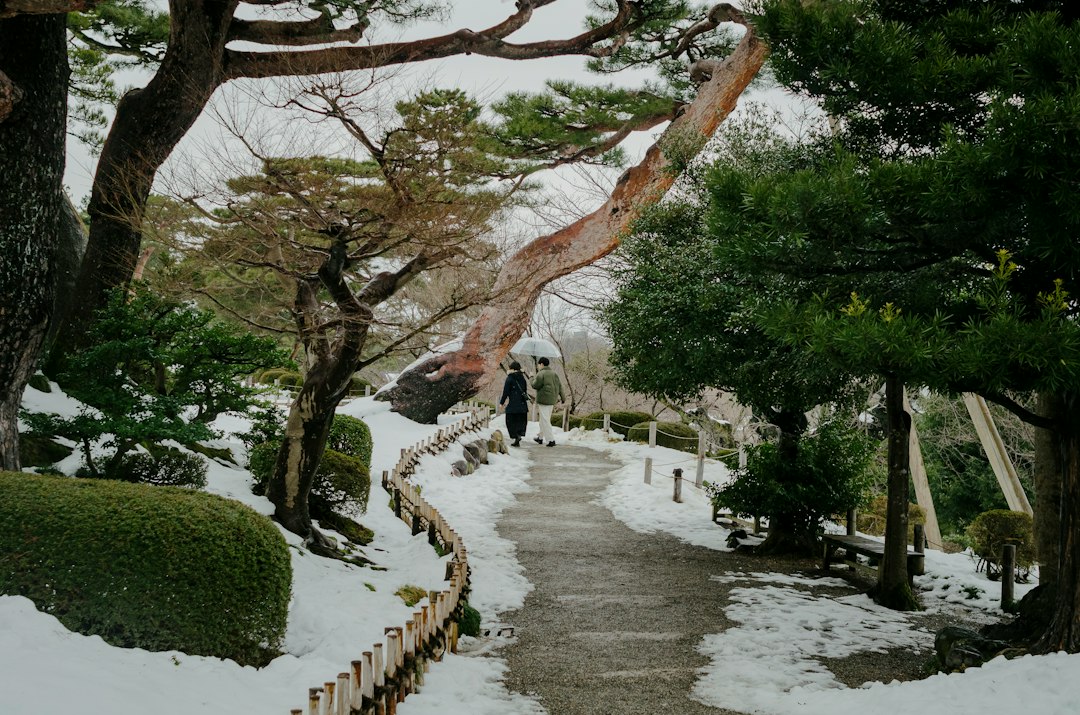
Kenrokuen is widely regarded as one of the three most beautiful landscape gardens in Japan, standing alongside Kairakuen and Korakuen. It rivals anything Kyoto has to offer in terms of seasonal beauty—cherry blossoms in spring, vibrant maples in autumn, and snow-covered pine trees in winter protected by iconic rope supports called yukitsuri. Yet visiting Kenrokuen never feels like the crowded scramble you might experience at Kyoto’s Kinkaku-ji or Fushimi Inari. You can actually pause, breathe, and enjoy the scenery at your own pace.
3. World-Class Art and Craftsmanship
Kanazawa is a UNESCO Creative City of Crafts and Folk Art, renowned for gold leaf production—in fact, the city produces almost all of Japan’s gold leaf. You can watch artisans hand-apply gold leaf to lacquerware, try your hand at gold leaf application workshops, or simply enjoy gold-leaf-topped soft serve ice cream as a fun local specialty. Beyond traditional crafts, the 21st Century Museum of Contemporary Art has become one of Japan’s most talked-about modern art spaces, drawing art lovers from around the world with its innovative architecture and installations, including the famous “Swimming Pool” optical illusion piece.
4. Incredible Seafood and a Legendary Fresh Market
Food lovers should take note: Kanazawa sits on the Sea of Japan and is famous for having some of the freshest, highest-quality seafood in the entire country. Omicho Market, the city’s main food market, offers an incredible array of sushi, crab, and seasonal seafood at prices that are often more reasonable than what you’ll find in Kyoto’s more tourist-oriented dining scene. Kanazawa is also known for its refined kaga cuisine, a regional culinary tradition shaped by the wealth of the historic Kaga Domain.
5. Easy Access and a More Relaxed Pace
Thanks to the Hokuriku Shinkansen (bullet train), Kanazawa is now easily reachable from Tokyo in about two and a half hours, making it a realistic addition to almost any Japan itinerary. It also connects well with other destinations in the Hokuriku region, such as Shirakawa-go’s thatched-roof villages. Unlike Kyoto, where navigating crowded buses and packed streets can eat up significant time and energy, Kanazawa’s compact city center is easy to explore on foot or by a simple, efficient loop bus, giving you more time to actually enjoy your surroundings rather than battling logistics.
6. A More Personal, Local Experience
Because Kanazawa hasn’t been overwhelmed by mass tourism to the same degree as Kyoto, visitors often find that locals are more willing to chat, recommend hidden spots, and share genuine hospitality. Small ryokan owners, shopkeepers in Omicho Market, and craftspeople in workshops tend to have more time and interest in engaging with travelers. This creates memorable, personal interactions that are increasingly hard to find in Kyoto’s more commercialized tourist zones.
Should You Skip Kyoto Entirely?
Kyoto remains an extraordinary city with irreplaceable historical significance, and this isn’t an argument to skip it altogether. Rather, Kanazawa is a compelling reason to rethink a Japan itinerary that treats Kyoto as the only essential cultural stop. Many travelers find that combining a shorter, well-planned Kyoto visit with a few days in Kanazawa results in a much richer, more balanced trip—offering both the iconic sites and a quieter, equally rewarding cultural deep dive.
Sample Itinerary Idea
- Day 1-2: Tokyo arrival and exploration
- Day 3: Bullet train to Kanazawa, explore Higashi Chaya district
- Day 4: Kenrokuen Garden, Nagamachi Samurai District, 21st Century Museum
- Day 5: Omicho Market breakfast, travel toward Kyoto or Osaka
- Day 6-7: Kyoto highlights, avoiding peak crowd hours
Final Thoughts
If your goal is to experience Japan’s traditional culture, stunning gardens, and historic districts without the exhausting crowds that have come to define Kyoto tourism, Kanazawa offers an outstanding alternative. With its preserved samurai and geisha quarters, world-class garden, renowned crafts, exceptional seafood, and easy shinkansen access, Kanazawa proves that some of Japan’s most authentic and beautiful experiences are found beyond the most famous names on the map. For travelers willing to venture slightly off the well-trodden path, Kanazawa may just become the unexpected highlight of your entire Japan trip.
Photo by Stanislav Rozhkov on Unsplash