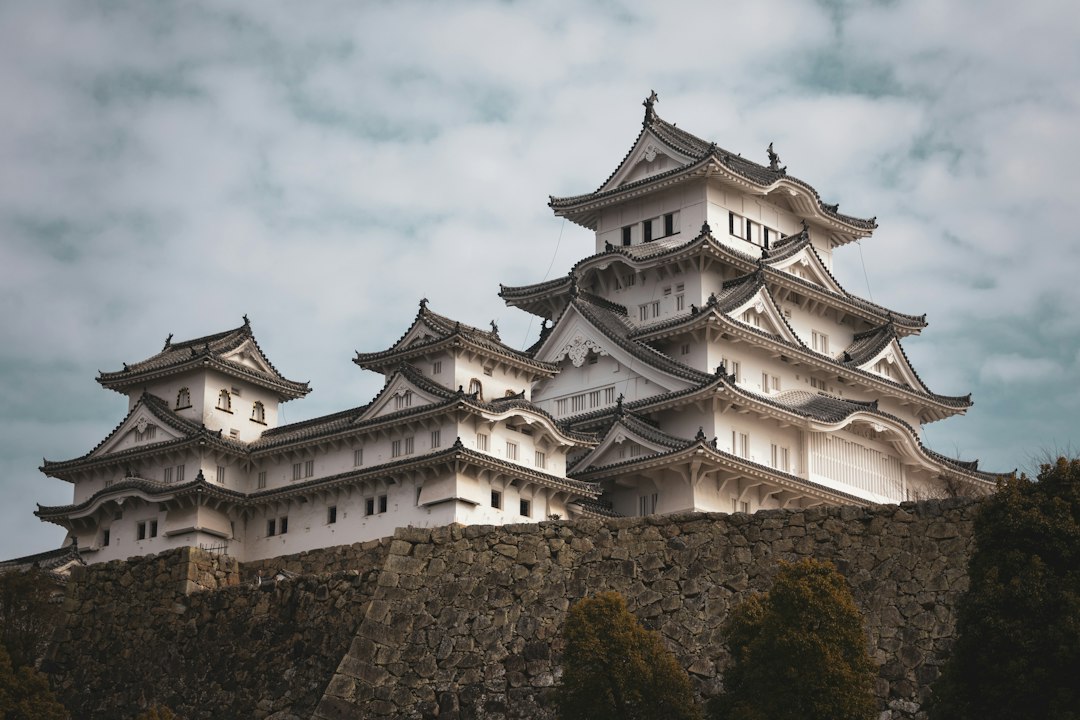
Why Morioka Deserves a Spot on Your Japan Itinerary
Tucked away in the mountainous Iwate Prefecture in northern Honshu, Morioka is one of Japan’s most rewarding under-the-radar destinations. While tourists flock to Tokyo, Kyoto, and Osaka, Morioka quietly offers a slice of authentic Japanese life untouched by mass tourism. This charming castle town blends samurai-era history, three scenic rivers, a thriving craft culture, and some of the best noodle dishes in the country. If you’re searching for a genuine, uncrowded Japan travel experience, Morioka should be high on your list.
Getting to Morioka
Morioka is remarkably accessible despite its northern location. The Tohoku Shinkansen (bullet train) connects Morioka directly to Tokyo in roughly two and a half hours, making it an easy day trip or weekend getaway from the capital. For travelers exploring the Tohoku region, Morioka also serves as a convenient gateway to Hachimantai, Lake Tazawa, and the Sanriku Coast. Morioka Airport offers domestic flights as well, though the shinkansen remains the most scenic and efficient option.
Top Things to Do in Morioka
1. Explore Morioka Castle Ruins Park (Iwate Park)
Once home to the powerful Nanbu clan, Morioka Castle was dismantled in the early twentieth century, but its impressive stone walls remain beautifully preserved. Today the site is a public park known as Iwate Koen, offering a peaceful walk through history. The cherry blossoms here in spring and the autumn foliage are especially photogenic, making it a favorite among locals for seasonal hanami picnics.
2. Wander the Historic Streets of Konya-cho and Zaimoku-cho
These preserved merchant districts showcase traditional Japanese architecture, including kura (storehouses) and old wooden shopfronts. Strolling through these neighborhoods gives visitors an authentic glimpse into what a working Japanese castle town looked like centuries ago, without the commercialization found in more famous historic districts elsewhere in Japan.
3. Visit Hashimoto Museum and Local Craft Studios
Morioka has a long tradition of craftsmanship, particularly Nanbu Tekki (ironware). Visiting a local ironware studio allows you to watch artisans hand-cast iron kettles and wind chimes using techniques passed down for generations. Many workshops welcome visitors for demonstrations, and some even offer hands-on classes where you can try casting your own small iron piece to take home.
4. Relax Along the Kitakami and Nakatsu Rivers
Morioka is often called the “City of Three Rivers” thanks to the Kitakami, Nakatsu, and Shizukuishi rivers that converge within the city. The riverside paths, particularly along the Nakatsugawa, are lined with cherry trees and make for a peaceful evening walk. In warmer months, locals gather along the banks for picnics, while winter transforms the scenery into a quiet, snow-dusted retreat.
5. Taste Morioka’s Famous Noodle Culture
Food lovers should not miss Morioka’s three signature noodle dishes: wanko soba, Morioka reimen, and jajamen. Wanko soba is a playful, interactive dining experience where servers continuously refill your bowl with small portions of soba noodles until you signal you’re full, often turning into a fun eating challenge. Morioka reimen, a chewy cold noodle dish influenced by Korean cuisine, is typically served with kimchi and a tangy broth. Jajamen features flat udon-like noodles topped with a savory miso meat sauce, a beloved local comfort food you won’t easily find outside the region.
A Local’s Approach to Experiencing Morioka Authentically
To truly experience Morioka like a local rather than a passing tourist, consider these tips:
- Visit the morning markets where local farmers sell seasonal vegetables, pickles, and regional specialties at unbeatable prices.
- Stay in a small family-run ryokan or guesthouse rather than a chain hotel to enjoy personalized hospitality and home-cooked breakfasts.
- Time your visit with local festivals such as the Morioka Sansa Odori Festival in summer, one of the largest drum festivals in Japan, featuring thousands of dancers and taiko drummers parading through the streets.
- Rent a bicycle to explore the compact city center at a relaxed pace, stopping at cafes, bookshops, and craft stores along the way.
- Strike up conversations with shop owners and artisans; Morioka residents are known for their warmth toward visitors who show genuine interest in local culture.
Day Trips from Morioka
Morioka’s central location makes it an excellent base for exploring Iwate Prefecture. Hachimantai, a volcanic highland area with hot springs and hiking trails, is roughly an hour away and offers stunning views in every season. Lake Tazawa, Japan’s deepest lake known for its striking cobalt-blue water, is another popular excursion. History enthusiasts may also enjoy a visit to Hiraizumi, a UNESCO World Heritage Site featuring exquisite temples that reflect the region’s Buddhist heritage.
Best Time to Visit Morioka
Morioka rewards visitors in every season, making it a genuinely evergreen destination. Spring brings cherry blossoms along the castle ruins and riverbanks. Summer is festival season, highlighted by the energetic Sansa Odori drum festival. Autumn transforms the surrounding mountains into vivid displays of red and gold foliage, ideal for scenic drives and hikes. Winter blankets the city in snow, creating a cozy atmosphere perfect for warming up with a steaming bowl of jajamen or soaking in a nearby hot spring.
Practical Travel Tips
- English signage is available at major sites, but learning a few basic Japanese phrases will enhance interactions with locals, as Morioka sees fewer international tourists than major cities.
- Cash is still commonly used in smaller shops and restaurants, so carry enough yen for local transactions.
- The city is very walkable, but a bicycle or local bus can help you cover more ground efficiently, especially when heading toward the riverside districts.
- Pack layers regardless of season, as Iwate’s northern climate can shift quickly, particularly in the mountains surrounding the city.
Final Thoughts
Morioka offers something increasingly rare in Japan travel: an authentic, unhurried experience where history, nature, and food culture blend seamlessly into daily life. Whether you’re slurping down a record number of wanko soba bowls, admiring centuries-old castle walls, or watching an artisan hammer glowing iron into a delicate kettle, Morioka invites travelers to slow down and connect with the true rhythm of northern Japan. For anyone seeking to move beyond the well-trodden tourist trail, this charming castle town is an unforgettable addition to any Japan itinerary.
Photo by Gaku Suyama on Unsplash