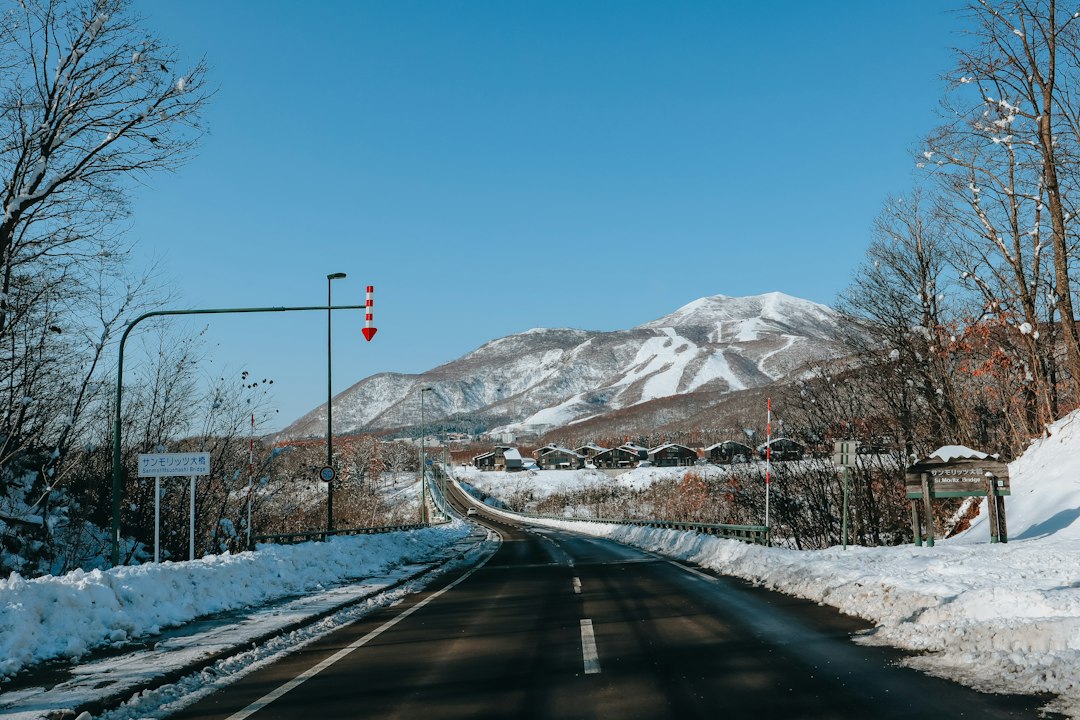
Why Seek Out Hokkaido’s Quieter Ski Resorts
Hokkaido is famous around the world for its legendary powder snow, and names like Niseko have become synonymous with world-class skiing. But that fame comes at a price: during the winter and New Year holiday season, the most popular resorts can feel more like international theme parks than tranquil mountain retreats, with long lift lines, packed gondolas, and fully booked restaurants. If you dream of carving fresh tracks through untouched powder in near silence, broken only by the crunch of snow underfoot, Hokkaido has plenty of alternatives that deliver the same legendary snow quality without the crowds. This guide highlights the best Hokkaido ski resorts away from crowds, along with practical strategies for enjoying a peaceful winter or New Year ski holiday in Japan.
Crowd-Avoidance Strategies for Winter and New Year Travel
Before diving into specific resorts, it helps to understand a few general strategies for avoiding crowds during Japan’s busiest ski season, particularly around the New Year holiday when domestic and international travelers flock to snow country.
- Travel mid-week rather than on weekends, when Sapporo-area day-trippers fill the slopes.
- Avoid the peak New Year window (roughly late December through the first few days of January) if possible, or book accommodation and lift passes many months in advance if you must travel then.
- Choose resorts that are a bit farther from New Chitose Airport and Sapporo, since proximity to transport hubs is the biggest driver of crowds.
- Consider resorts without direct flights or shuttle bus tie-ins from major cities, as these naturally see fewer international tour groups.
- Look for early morning or twilight skiing options, which are usually far less crowded even at popular resorts.
Top Hokkaido Ski Resorts Away from the Crowds
1. Rusutsu Resort
Although Rusutsu has grown in popularity, it remains noticeably quieter than neighboring Niseko, largely because it lacks a walkable village center packed with bars and shops. Rusutsu spans three interconnected mountains with an enormous variety of terrain, from mellow groomers to legendary tree runs. Because most visitors stay in the single large resort hotel rather than a sprawling town, the atmosphere feels calmer, and the tree skiing areas often stay blissfully uncrowded even after a fresh snowfall.
2. Kiroro Resort
Kiroro receives snowfall totals that rival or exceed Niseko, yet it remains one of Hokkaido’s best-kept secrets. Tucked in the mountains between Niseko and Sapporo, Kiroro has invested in upscale accommodation while retaining a relatively low visitor volume. Its two peaks offer wide, uncrowded groomed runs and excellent off-piste powder bowls, making it ideal for skiers who want a premium experience without elbow-to-elbow lift lines.
3. Furano Ski Resort
Furano is a historic ski town that has hosted World Cup races, proving its terrain and snow quality are world-class. Despite this pedigree, Furano sees a fraction of the international tourism that Niseko attracts, partly because it sits farther inland in central Hokkaido. Visitors here enjoy long, uncrowded cruising runs, charming local izakayas, and a slower-paced, distinctly Japanese ski town atmosphere, especially appealing during the quieter weekday winter season.
4. Sahoro Resort
Located in the Tokachi region, Sahoro Resort is a favorite among Hokkaido locals but remains largely under the radar for overseas visitors. The resort features a dedicated powder tour program that takes skiers into pristine backcountry-adjacent zones with a guide, ensuring fresh snow experiences without competing for tracks. The compact base area and limited lodging keep visitor numbers naturally low, which is a major draw for anyone prioritizing solitude on the slopes.
5. Tomamu (Hoshino Resorts)
Tomamu combines excellent snow reliability with a resort design that feels more spacious and less congested than the Niseko United area. Known for its striking Unkai (cloud sea) viewing platform and family-friendly amenities, Tomamu still offers serious terrain for intermediate and advanced skiers. Because it markets itself as a broader winter destination rather than purely a ski resort, crowds are spread across multiple activities, keeping the actual slopes comfortably open.
6. Asahidake Onsen and Asahikawa Area
For skiers and snowboarders who don’t mind a more rugged, low-infrastructure experience, the Asahidake area near Asahikawa offers access to some of Hokkaido’s most dramatic volcanic terrain. This is less a groomed resort and more a gateway to backcountry-style skiing, best suited for experienced riders traveling with local guides. Visitor numbers are minimal, and the reward is skiing in genuine wilderness silence, framed by steaming volcanic vents and panoramic mountain views.
7. Kamui Ski Links
Also near Asahikawa, Kamui Ski Links is a mid-sized resort beloved by regional families and largely unknown to international travelers. It offers night skiing, reliable snow, and a laid-back, community feel. Because it isn’t part of any major international marketing push, lift lines are rare even during holiday periods, making it an excellent choice for a relaxed New Year ski day away from tourist crowds.
Cold-Weather Preparation Tips for Hokkaido Winters
Regardless of which resort you choose, Hokkaido winters are seriously cold, often falling well below freezing with biting winds. Proper preparation makes the difference between a magical trip and a miserable one.
- Layer strategically: moisture-wicking base layers, an insulating mid-layer, and a waterproof, windproof outer shell.
- Invest in quality gloves, wool socks, and a face covering, since wind chill on exposed lifts can be extreme.
- Bring hand and foot warmers, widely available at Japanese convenience stores, for extra insurance on the coldest days.
- Protect your eyes with goggles rated for low-light and flat-light conditions common during heavy snowfall.
- Stay hydrated and take warm-up breaks indoors, since cold air and physical exertion increase dehydration risk.
- Check road and rail conditions daily, as heavy snowfall can affect transport between resorts and airports, especially around the New Year holiday travel surge.
Planning Your Peaceful Winter or New Year Ski Trip
Booking a quieter Hokkaido ski resort requires a bit more planning than simply choosing the most famous name. Reserve accommodation early, particularly if your travel dates overlap with the New Year holiday period, since even smaller resorts fill up quickly with domestic travelers seeking hatsumode shrine visits and family ski trips. Consider basing yourself in a smaller resort for several days rather than resort-hopping, allowing you to build local knowledge of the best snow conditions and quietest runs at different times of day. Renting a car offers flexibility to reach lesser-known resorts, though winter driving requires caution, studded or winter tires, and patience with snow-covered roads.
Final Thoughts
Hokkaido’s reputation for incredible powder snow is well earned, but you don’t have to fight crowds to experience it. From the expansive slopes of Rusutsu and Kiroro to the hidden gems around Asahikawa and Tokachi, Hokkaido’s less-famous ski resorts deliver the same world-class snow with far more breathing room. With thoughtful timing, smart cold-weather preparation, and a willingness to venture beyond the headline destinations, your winter or New Year ski holiday in Hokkaido can be exactly what powder dreams are made of: quiet, pristine, and unforgettable.
Photo by Asmut Dante on Unsplash