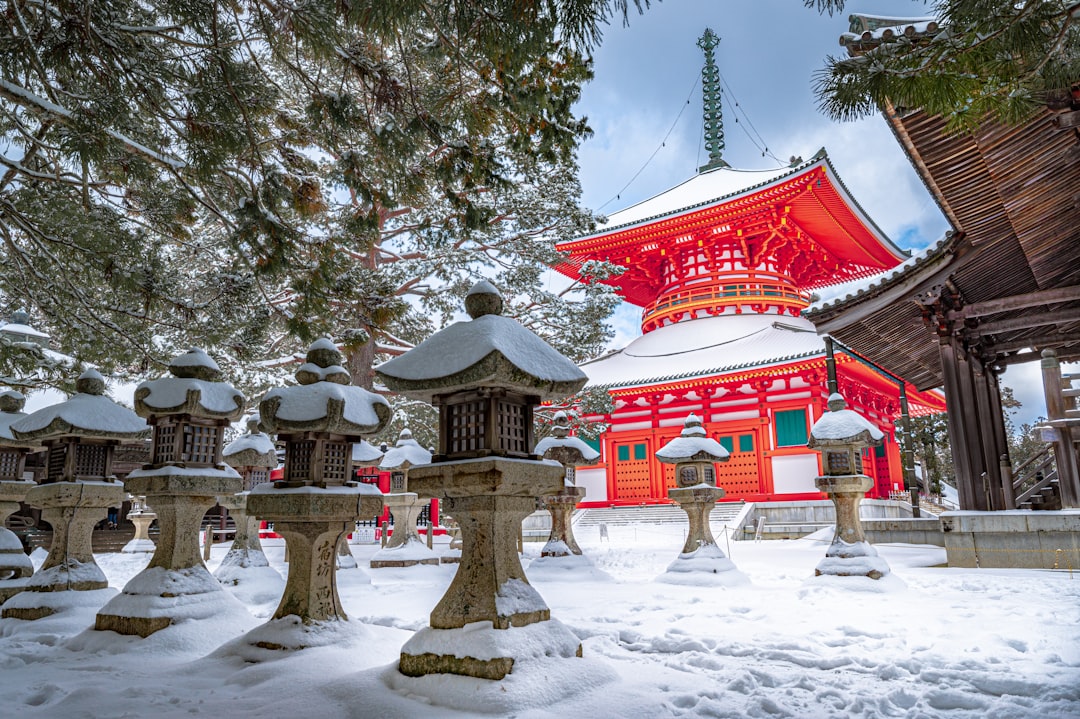
Escaping the New Year Rush: A Quieter Side of Japan
Japan during the New Year holiday season is one of the most magical times to visit — twinkling winter illumination displays, steaming bowls of toshikoshi soba, and the deeply spiritual tradition of hatsumode (the first shrine visit of the year) fill the air with festive energy. However, this same magic draws enormous crowds to famous spots like Meiji Shrine in Tokyo, Fushimi Inari in Kyoto, and Sensoji Temple in Asakusa, where visitors can wait hours just to offer a prayer. If you’re dreaming of a peaceful, snow-dusted Japan without the elbow-to-elbow crowds, this guide reveals where to go instead.
Why New Year in Japan Gets So Crowded
Around the New Year period, most businesses close for several days, and domestic travel surges as families return to hometowns (a tradition called kikyo) or take short winter vacations. Shrines associated with major deities become pilgrimage sites, and bullet trains and highways fill up fast. Understanding this pattern is the first step to avoiding it: the crowds concentrate heavily in a handful of iconic locations, leaving vast areas of the country wonderfully quiet.
Best Crowd-Free Destinations for New Year in Japan
1. The Tohoku Region (Northern Honshu)
Tohoku prefectures like Yamagata, Akita, and Aomori offer snow-covered landscapes, hidden onsen towns, and dramatic “snow monster” (juhyo) ice formations without the tourist density of Tokyo or Kyoto. Ginzan Onsen, a gaslight-era hot spring village blanketed in snow, feels like stepping into a winter fairytale, and it remains far less congested during the holidays than Hakone or Nikko.
2. Shikoku Island
Shikoku is often overlooked entirely by New Year travelers. Visit the Iya Valley for dramatic vine bridges and misty mountain views, or explore the historic castle town of Uchiko. Local shrines here still host hatsumode traditions, but with a fraction of the visitors, giving you an authentic, unhurried cultural experience.
3. San-in Region (Tottori and Shimane)
Facing the Sea of Japan, this quiet coastal region is home to Izumo Taisha, one of Japan’s most important shrines, yet it draws far fewer New Year visitors than its Kansai counterparts. Combine a shrine visit with the otherworldly Tottori Sand Dunes for a uniquely peaceful winter itinerary.
4. Rural Kyushu
While Fukuoka city can get busy, the countryside of Kyushu — including Yufuin’s onsen villages, Amakusa’s coastline, and Kirishima’s shrine-dotted hills — offers warmer winter temperatures and serene New Year rituals without long queues.
5. Hokkaido’s Smaller Towns
Skip Sapporo’s busiest districts and head to smaller towns like Biei, Furano, or Otaru’s quieter neighborhoods. You’ll still get postcard-perfect snow scenery, cozy kotatsu heaters at your ryokan, and local shrine visits, but with a much calmer holiday atmosphere.
Smart Strategies to Avoid New Year Crowds Anywhere
- Visit lesser-known local shrines: Every neighborhood has a small shrine performing the same hatsumode rituals as the famous ones. Locals often prefer these quieter alternatives themselves.
- Shift your timing: If you must visit a popular shrine, go very early morning (before 6am) or in the late afternoon on January 2nd or 3rd, after the initial midnight rush has passed.
- Choose rural ryokan over city hotels: Small onsen towns rarely reach capacity the way Tokyo and Kyoto hotels do during New Year week.
- Travel by local train or rental car: Avoid the most congested Shinkansen routes on December 28–30 and January 2–3, the peak return-travel days.
- Look for winter illumination in smaller cities: Cities like Kanazawa, Matsumoto, and Takayama offer beautiful winter light displays without Tokyo-level crowds.
Cold-Weather Preparation Tips
Traveling to Japan’s quieter winter regions often means colder temperatures, especially in Tohoku, Hokkaido, and mountain areas. Pack thermal base layers, waterproof boots with good grip for icy pavements, and a warm hat and gloves. Many rural ryokan provide yukata and heated kotatsu tables, but layering is still essential when moving between indoor and outdoor spaces. If you’re visiting shrines for hatsumode in freezing temperatures, bring hand warmers (kairo), widely available at convenience stores, and consider a thermos for hot tea or amazake, a traditional sweet sake often served at winter shrine visits.
Practical Planning Notes
Keep in mind that many restaurants and some shops close for a few days around January 1st–3rd, even in quieter regions, so confirm opening hours in advance or rely on your ryokan’s included meals. Booking accommodation several months ahead is still wise, since even “hidden gem” destinations fill up with savvy travelers seeking the same peaceful experience. Regional trains may run on reduced holiday schedules, so double-check timetables rather than assuming standard service.
Final Thoughts
Japan’s New Year season doesn’t have to mean fighting through crowds at famous landmarks. By venturing into regions like Tohoku, Shikoku, San-in, rural Kyushu, or Hokkaido’s smaller towns, you can experience authentic hatsumode traditions, snowy scenery, and cozy winter comforts at a relaxed pace. Sometimes the most memorable New Year in Japan is the one spent far from the spotlight, wrapped in a kotatsu blanket in a quiet mountain village, watching the first sunrise of the year in peaceful solitude.
Photo by Samuel Berner on Unsplash