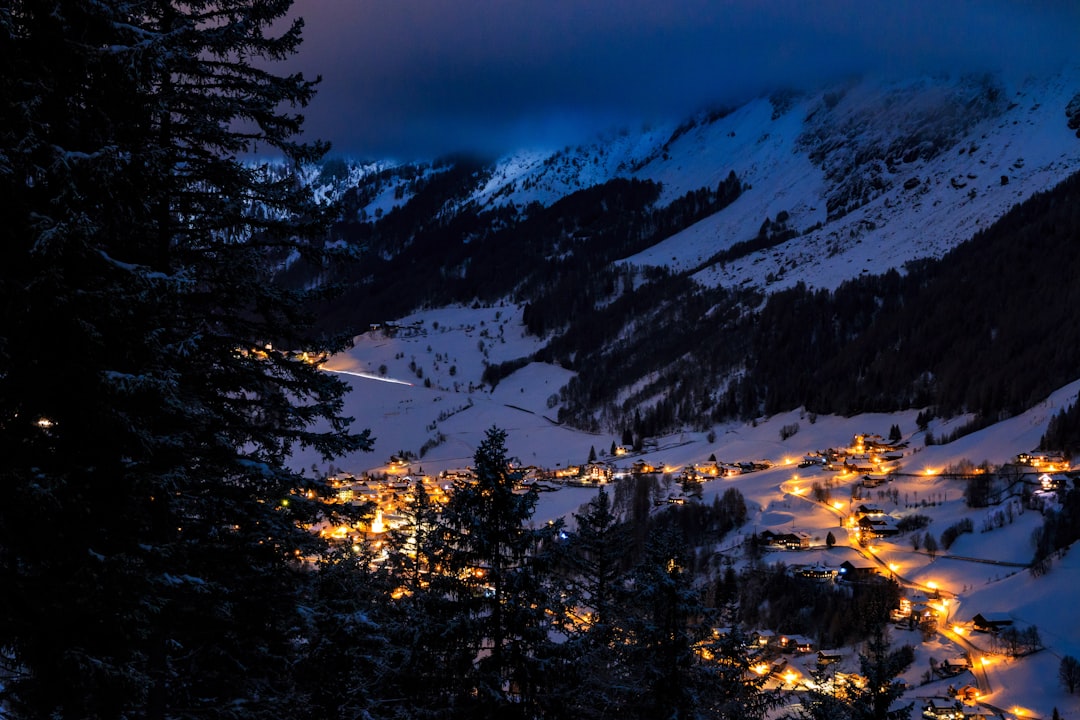
There is something almost otherworldly about soaking in a steaming outdoor bath while snowflakes drift past illuminated lanterns and glowing ice sculptures. Across Japan, a handful of hot spring towns transform into winter wonderlands each year, pairing centuries-old onsen culture with dazzling seasonal light displays. Whether you are planning a year-end getaway, a New Year holiday escape, or simply a cozy winter break away from the city, these snow onsen towns offer some of the most romantic and photogenic experiences in the country.
Why Winter Is Magic for Onsen Towns
Winter is arguably the best season to experience a Japanese onsen town. The contrast between the biting cold air and the warmth of mineral-rich water is deeply relaxing, and many towns lean into the season with illuminated snow tunnels, candlelit paths, gas lamp streets, and igloo festivals. Combined with kotatsu-warmed ryokan lounges, steaming bowls of nabe hot pot, and hatsumode (New Year shrine visits) nearby, a winter onsen trip is a full sensory experience that simply cannot be replicated in summer.
Top Snow Onsen Towns with Winter Illuminations
Ginzan Onsen, Yamagata
Often called one of the most beautiful onsen towns in Japan, Ginzan Onsen is famous for its Taisho-era wooden ryokan lining a narrow snow-covered river. In the evening, gas lamps flicker on along the main street, casting a warm glow against the snowdrifts. Because access is limited to a small parking area outside town with a shuttle bus, crowds are naturally controlled, but weekend evenings still get busy, so arrive right at dusk on a weekday for the best photos with fewer people in frame.
Zao Onsen, Yamagata
Zao Onsen is best known for its surreal “snow monsters” (juhyo), ice-covered trees that form on the mountainside. During the coldest months, these formations are illuminated at night in shifting colors, creating an almost alien landscape. After viewing the lights via the ropeway, descend into town for a soak in Zao’s famously acidic, milky-white sulfur baths, one of the strongest hot spring waters in Japan.
Kusatsu Onsen, Gunma
Kusatsu’s iconic yubatake (hot water field) in the town center is lit up nightly, with steam rising dramatically under colored lights reflecting off fresh snow. This is one of the most accessible snow onsen towns from Tokyo, making it ideal for a winter weekend trip. Visit the yubatake illumination right after check-in, then return after your evening bath for a quieter, almost dreamlike view once day-trip crowds have departed.
Yunishigawa Onsen, Tochigi (Kamakura Snow Festival)
For a truly unique display, Yunishigawa Onsen hosts a seasonal Kamakura Festival featuring hundreds of small snow igloos and domes lit from within by candlelight along the riverbank. Walking through this glowing snow village at night feels like stepping into a fairy tale. Because this event draws visitors from across the region, staying overnight at a local ryokan is highly recommended so you can experience the display both at dusk (smaller crowds) and again late in the evening after tour buses depart.
Jozankei Onsen, Hokkaido
Just outside Sapporo, Jozankei Onsen holds a winter “Yuki Akari” (snow candle) event where thousands of small candlelit snow lanterns line the riverside paths. Hokkaido’s deep snow and dry cold make this one of the most atmospheric illumination spots in the country. Pair it with Sapporo’s larger winter festival nearby for a two-in-one northern Japan winter trip.
Nozawa Onsen, Nagano
Nozawa Onsen combines excellent ski slopes with a traditional onsen town featuring free public bathhouses (soto-yu) scattered throughout its narrow streets. Evening illuminations along the main road and steaming public baths create a cozy, festival-like atmosphere perfect for combining daytime skiing with nighttime relaxation.
Planning Your Winter Onsen and Illumination Trip
Best Time to Visit for Fewer Crowds
Illumination events are typically most crowded on weekends, national holidays, and around the New Year period. To avoid the heaviest crowds:
- Visit on weekday evenings rather than Friday or Saturday nights
- Arrive at illumination sites right at dusk, before tour groups arrive
- Book ryokan accommodation well in advance for the New Year and school winter break period
- Consider staying two nights so you can view lights once with crowds and once later in a quieter window
Cold-Weather Packing and Onsen Etiquette Tips
Snow onsen towns can be significantly colder than Tokyo or Osaka, so preparation matters:
- Pack thermal base layers, a windproof outer coat, and waterproof boots with good grip for icy streets
- Bring a small towel for walking between indoor and outdoor baths, as many ryokan expect guests to bring their own hand towel
- Wear slip-resistant footwear, since stone paths near hot springs often ice over at night
- Warm up gradually after an outdoor rotenburo bath before stepping back into freezing air, and keep hydrated despite the cold
- If visiting shrines for hatsumode nearby, dress in layers you can adjust, as queues for New Year prayers can involve long waits outdoors
Combining with New Year (Hatsumode) Traditions
Many of these onsen towns are located near regional shrines and temples, making it easy to combine your light-viewing trip with a New Year hatsumode visit. Check local shrine schedules in advance, as some rural shrines offer smaller, more intimate hatsumode experiences compared to major city shrines, with far shorter lines.
A Sample Two-Night Winter Itinerary
- Day 1: Arrive at your chosen onsen town in the afternoon, check into your ryokan, and take an early evening soak before the illumination begins
- Evening 1: Walk the illuminated streets or snow displays at dusk for photos, then enjoy a kaiseki dinner featuring seasonal winter ingredients
- Day 2: Explore nearby ropeways, ski slopes, or snow monster viewing areas during daylight hours
- Evening 2: Return to the illumination site later at night for a quieter, more atmospheric visit, followed by one final relaxing soak before bed
Final Thoughts
Snow onsen towns with winter light displays capture something quintessentially magical about the Japanese cold season: warmth found within winter’s stillness. Whether you choose the gas-lit streets of Ginzan Onsen, the candlelit snow domes of Yunishigawa, or the glowing yubatake of Kusatsu, planning ahead for crowds and cold weather will ensure your winter break or New Year holiday trip feels as relaxing as the hot spring waters themselves.
Photo by Berny Steiner on Unsplash