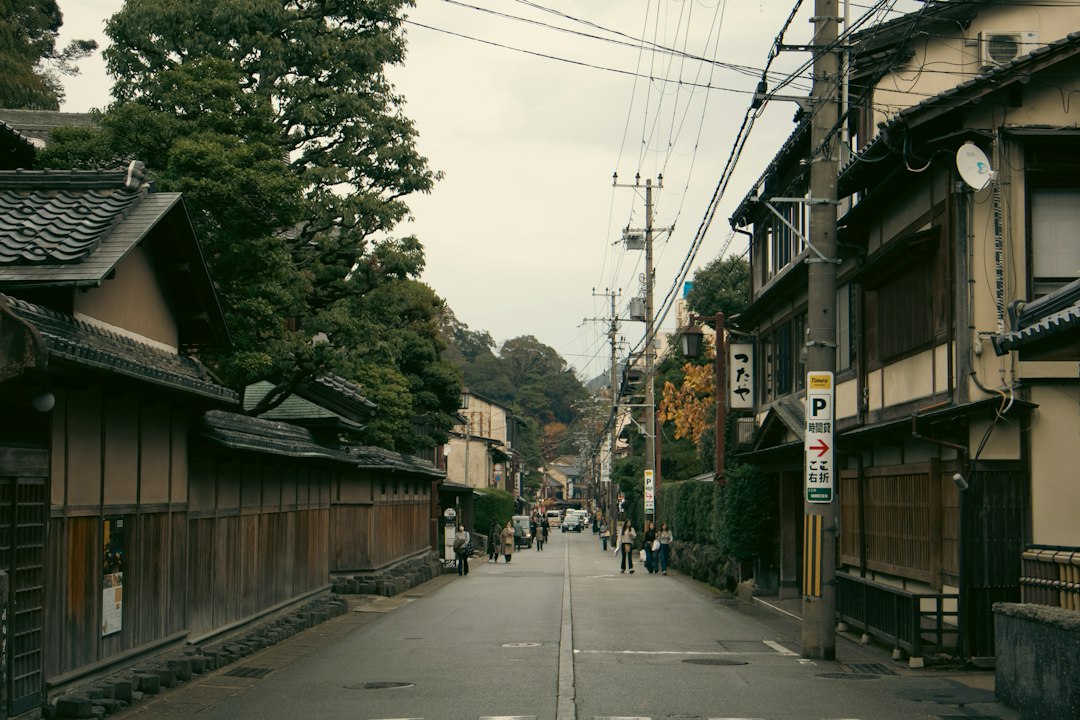
Nagoya often gets overlooked by travelers rushing between Tokyo and Kyoto, but this central Japan hub is actually one of the best-located cities in the country for day trips. Sitting at the crossroads of the Chubu region, Nagoya offers quick access to samurai towns, pottery villages, dramatic coastlines, and mountain post towns that most tourists never see. If you’re staying in Nagoya and want to escape the ordinary sightseeing checklist, here are the most unique day trip destinations within easy reach.
Why Nagoya Is a Perfect Day Trip Base
Nagoya’s central location on the Tokaido Shinkansen line and its extensive network of local trains make it an ideal launching point for exploring Aichi, Gifu, and Mie prefectures. Unlike Tokyo or Osaka, where popular day trips are often crowded with tourists, many of the destinations near Nagoya remain wonderfully under-the-radar, giving you a more authentic slice of Japanese life.
1. Inuyama: Japan’s Oldest Original Castle
Just 30 minutes north of Nagoya by train, Inuyama is home to one of only twelve original castles left standing in Japan, and it happens to be the oldest. Perched on a hill overlooking the Kiso River, Inuyama Castle offers sweeping views and a genuine feel for feudal-era architecture without the reconstruction concrete found in many other castles.
What to Do
- Climb the steep wooden stairs inside the original castle keep
- Stroll the preserved Edo-period merchant streets near Honmachi
- Visit Little World, an open-air museum showcasing houses from around the globe
- Try traditional cormorant fishing (ukai) on the Kiso River in warmer months
How to Get There
Take the Meitetsu Inuyama Line directly from Nagoya Station to Inuyama Station, a ride of about 25-30 minutes.
2. Magome and Tsumago: Preserved Nakasendo Post Towns
For travelers craving old Japan atmosphere without the Kyoto crowds, the twin post towns of Magome and Tsumago along the historic Nakasendo trail are unforgettable. Connected by a scenic 8-kilometer hiking trail through forests and past waterfalls, these towns look almost frozen in the Edo period, with wooden buildings, stone-paved streets, and no overhead power lines.
Highlights
- Walk all or part of the Magome-Tsumago trail, one of Japan’s best short hikes
- Sample gohei mochi, a local grilled rice snack coated in sweet miso sauce
- Browse traditional craft shops selling wooden combs and lacquerware
While technically in neighboring Gifu and Nagano prefectures, both towns are reachable via a combination of train and bus from Nagoya in about two hours, making for a rewarding full-day excursion.
3. Tokoname: The Pottery Town with Ghibli Charm
Tokoname, located near Chubu Centrair International Airport, is one of Japan’s Six Ancient Kilns and has been producing ceramics for over a thousand years. The town’s Pottery Footpath winds through narrow alleys lined with kiln chimneys, clay pipe walls, and hundreds of maneki-neko (lucky cat) statues that have made it an Instagram favorite.
Don’t Miss
- The Yakimono Sanpo Michi walking course through the historic kiln district
- INAX Live Museum, dedicated to ceramic tiles and architecture
- Fresh seafood at the nearby fishing port
Tokoname is roughly 30 minutes from Nagoya via the Meitetsu Airport Line, making it easy to combine with an airport transfer or a relaxed half-day visit.
4. Gujo Hachiman: The Water Town of Gifu
Tucked into the mountains of Gifu Prefecture, Gujo Hachiman is famous for its crystal-clear waterways that run through the town, its small but photogenic castle, and the Gujo Odori, one of Japan’s largest folk dance festivals held over many summer nights. Even outside festival season, the town’s canals, koi-filled streams, and traditional shopping street make it a refreshing escape from city heat.
Highlights
- Sample plastic food replicas, an industry Gujo Hachiman pioneered
- Visit Gujo Hachiman Castle for mountain views
- Cool off at Sogi-shobo, a famous natural spring used by locals for generations
5. Toba and Ise: Pearls and Sacred Shrines
For a coastal day trip with cultural depth, head to the Ise-Shima area in Mie Prefecture. Ise Grand Shrine, Japan’s most sacred Shinto site, is rebuilt every twenty years in an ancient tradition called shikinen sengu, and its forested approach feels genuinely spiritual. Nearby Toba is home to Mikimoto Pearl Island, where the cultured pearl was invented, and visitors can watch ama female pearl divers demonstrate their centuries-old free-diving techniques.
Getting There
Direct limited express trains connect Nagoya to Ise-shi Station in around 90 minutes, making this a manageable, if slightly longer, day trip.
6. Okazaki: Birthplace of a Shogun
History enthusiasts should consider Okazaki, the birthplace of Tokugawa Ieyasu, founder of the shogunate that ruled Japan for over 250 years. Okazaki Castle sits within a pleasant park along the Otogawa River, especially beautiful during cherry blossom season, and the nearby Hatcho Miso district lets visitors tour century-old miso breweries using traditional wooden barrels weighted with river stones.
Highlights
- Explore Okazaki Castle and its Tokugawa Ieyasu museum
- Tour a Hatcho miso brewery and sample different miso varieties
- Enjoy riverside walks especially lovely in spring
7. Seki: The City of Swordsmiths
Seki has been a center of Japanese sword production for over 700 years, once rivaling even the famous swordsmiths of Kyoto. Today, visitors can watch live demonstrations of traditional forging techniques at the Seki Traditional Swordsmith Museum and browse shops selling everything from collector’s katana to high-quality kitchen knives, since Seki is also renowned as a modern cutlery manufacturing hub.
Highlights
- Watch a real swordsmith demonstration (held on select days)
- Shop for Seki-made kitchen knives, prized by chefs worldwide
- Visit the small but informative Sword Museum
8. Nabana no Sato: A Flower and Light Wonderland
Located in Kuwana, Mie Prefecture, Nabana no Sato is a massive flower park that transforms with the seasons, from spring tulips to autumn foliage, and becomes especially famous for its illumination displays featuring millions of LED lights across sprawling gardens. It’s an easy, low-effort day trip that pairs beautifully with a visit to the adjacent hot spring facility.
Planning Tips for Day Trips from Nagoya
- Consider a regional rail pass if visiting multiple destinations in Gifu, Mie, or Aichi
- Check seasonal event schedules, as festivals like Gujo Odori or cormorant fishing only run certain months
- Start early, since many rural train and bus connections run less frequently than city lines
- Combine nearby destinations, such as Tokoname with the airport, or Toba with Ise, for an efficient itinerary
Final Thoughts
Nagoya’s reputation as a mere transit hub undersells its true value: an unbeatable base for discovering some of central Japan’s most distinctive and lesser-visited destinations. Whether you’re drawn to samurai history, artisan crafts, sacred shrines, or preserved post towns, these unique day trips reveal a side of Japan that rewards curious travelers willing to venture just a little further off the beaten path.
Photo by Kate Kasiutich on Unsplash