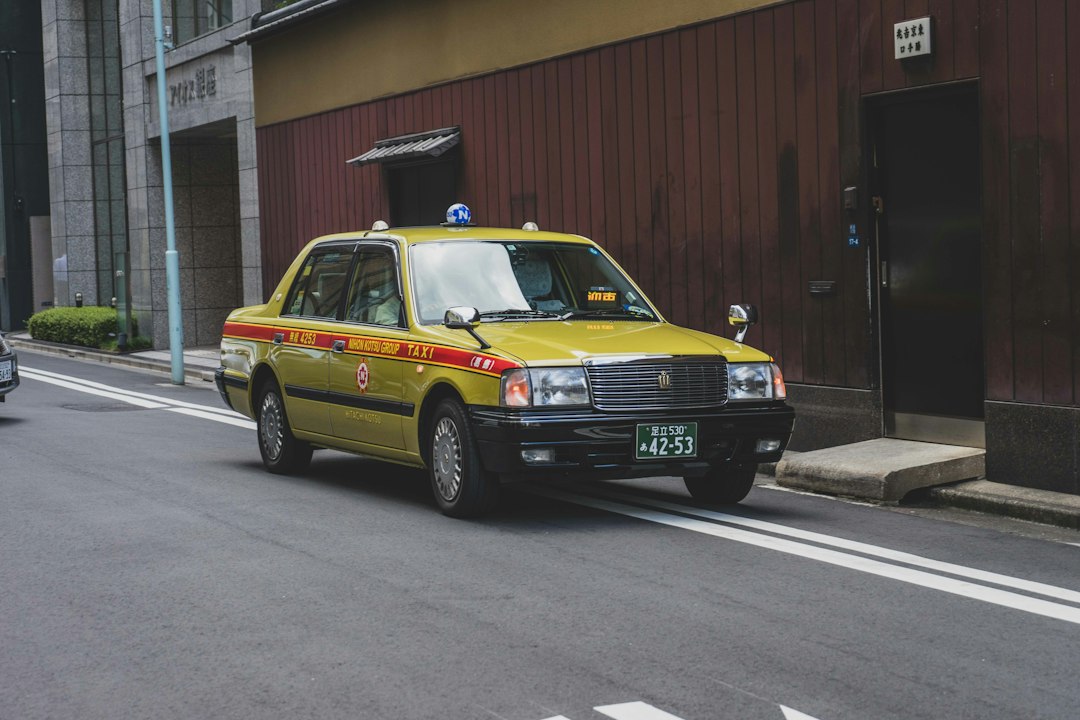
Japan’s taxis have long had a reputation for being pristine, punctual, and slightly old-fashioned when it comes to payment. But in 2026, cashless travel has become the norm, and one of the easiest ways to pay for a taxi ride is with your IC card — the same rechargeable transit card you use for trains and buses. Whether you’re carrying a Suica, Pasmo, ICOCA, or one of the other nine major regional IC cards, this guide explains everything you need to know about using IC cards for taxi fare payments in Japan, including the latest 2026 updates on foreign smartphone compatibility.
What Are IC Cards and Why Use Them for Taxis?
IC cards are rechargeable, tap-to-pay smart cards originally designed for train and subway travel in Japan. The most well-known are Suica (JR East) and Pasmo (Tokyo private railways and buses), but regional equivalents like ICOCA (JR West/Kansai), TOICA (JR Central), SUGOCA (JR Kyushu), and Kitaca (JR Hokkaido) all work interchangeably across most of the country thanks to nationwide IC card reciprocity.
Using an IC card for a taxi means you don’t need to fumble for exact change or worry about whether the driver accepts your credit card. You simply tap the card on a small reader near the payment terminal when the ride ends, and the fare is deducted instantly from your card balance — just like a convenience store purchase.
Which Taxis Accept IC Cards in 2026?
As of 2026, IC card payment is widely available in most major cities, including Tokyo, Osaka, Kyoto, Yokohama, Nagoya, Fukuoka, and Sapporo. Nearly all taxis operated by major companies such as Nihon Kotsu, Kokusai, and MK Taxi are equipped with IC card readers, and the percentage of IC-compatible taxis continues to rise year over year as older vehicles are replaced with newer fleets featuring integrated multi-payment terminals.
However, coverage is not 100% uniform. In smaller towns, rural areas, and some hot spring resort regions, older taxis may still be cash-only or accept only credit cards. It’s always a good idea to look for a sticker on the taxi’s window or dashboard showing the Suica/Pasmo logo (a small penguin icon for Suica) or ask the driver directly: “IC card wa tsukaemasu ka?” (Can I use an IC card?) before starting your ride.
How to Pay for a Taxi with an IC Card: Step-by-Step
- Step 1: Get in the taxi as usual and enjoy your ride — there’s no need to do anything special at the start.
- Step 2: When you reach your destination, wait for the driver to stop the meter and announce the fare.
- Step 3: Look for the IC card reader, usually located near the credit card machine on the back of the front passenger seat or on a small panel by the rear door.
- Step 4: Tap your IC card (or your smartphone if using mobile Suica/Pasmo) on the reader. You’ll hear a beep and see the deducted amount on the small screen.
- Step 5: Collect your receipt if needed, and exit the vehicle as usual.
Unlike trains, where you tap in and tap out, taxi payments are a single tap at the end of the ride — similar to paying at a convenience store or vending machine.
Balance Limits and Recharging
One important thing to keep in mind is the maximum stored value on IC cards, which remains capped at 20,000 yen as of 2026. Since taxi fares in Japan can be relatively high — especially for longer rides or late-night trips with the standard 20% surcharge between 10pm and 5am — it’s wise to check your balance before boarding. Most convenience stores (7-Eleven, FamilyMart, Lawson), train station kiosks, and IC card charging machines allow you to top up your card with cash or, in many cases, credit card.
If your IC card balance is insufficient to cover the fare, most taxis will ask you to pay the remaining balance in cash or by credit card, so it’s a good habit to keep some backup cash on hand, especially outside major urban centers.
2026 Update: Foreign Smartphone Compatibility
One of the biggest improvements for international travelers in recent years has been the expansion of mobile IC card support. As of 2026, both Apple Pay and Google Wallet support Suica issuance directly on foreign-issued iPhones and many Android devices, meaning visitors can add a “Welcome Suica” or standard Mobile Suica to their phone without needing a physical card or a Japanese bank account. This mobile version can be topped up instantly using an international credit card, making it arguably the most convenient way for tourists to pay for taxis, trains, and convenience store purchases alike.
The Welcome Suica, designed specifically for short-term visitors, remains valid for 28 days from issuance and does not require a refundable deposit, unlike the traditional physical Suica card. This makes it an excellent option for travelers who don’t want to deal with returning a card and reclaiming a deposit at the end of their trip. As of 2026, Welcome Suica is available both as a physical card at airport kiosks and as a digital pass via the Suica app for compatible smartphones.
IC Card vs. Credit Card vs. Cash for Taxis
While IC cards are fast and convenient, they’re not always the cheapest or most flexible option. Credit cards (Visa, Mastercard, JCB, and increasingly UnionPay) are accepted by most modern taxis and don’t have the 20,000 yen balance cap that IC cards do, making them better for longer or more expensive rides such as airport transfers. Cash remains universally accepted and is still preferred by some older drivers or in rural areas where card readers may be temperamental.
For short city rides, hopping between neighborhoods, or quick trips from a train station, an IC card is often the fastest and most seamless payment method, since you likely already have one loaded for train travel. For pricier journeys, such as a ride from Narita or Haneda Airport into central Tokyo, a credit card might be more practical due to the balance limit on IC cards.
Tips for a Smooth Taxi Experience with IC Cards
- Always check for the IC card logo sticker on the taxi window before assuming it’s accepted.
- Keep your IC card balance topped up, especially before nighttime rides when fares include a surcharge.
- Consider using Mobile Suica or Mobile Pasmo on your smartphone for easy top-ups via credit card, without needing to find a physical charging machine.
- Carry a small amount of cash as backup in case the card reader malfunctions or the balance is insufficient.
- Remember that doors open and close automatically in Japanese taxis — don’t try to open or close them yourself.
Final Thoughts
Using an IC card for taxi fare payments in Japan in 2026 is one of the simplest ways to navigate the country’s transportation system without language barriers or cash-counting stress. With growing acceptance across major cities, expanded mobile compatibility for foreign smartphones, and the convenience of a single tap-to-pay system shared across trains, buses, and taxis, IC cards remain an essential tool for both residents and visitors alike. As always, it’s worth checking official sources like the Suica, Pasmo, or JR websites for the most current information on balance limits, mobile compatibility, and coverage, since policies can evolve as Japan continues to modernize its cashless payment infrastructure.
Photo by Caroline Roose on Unsplash