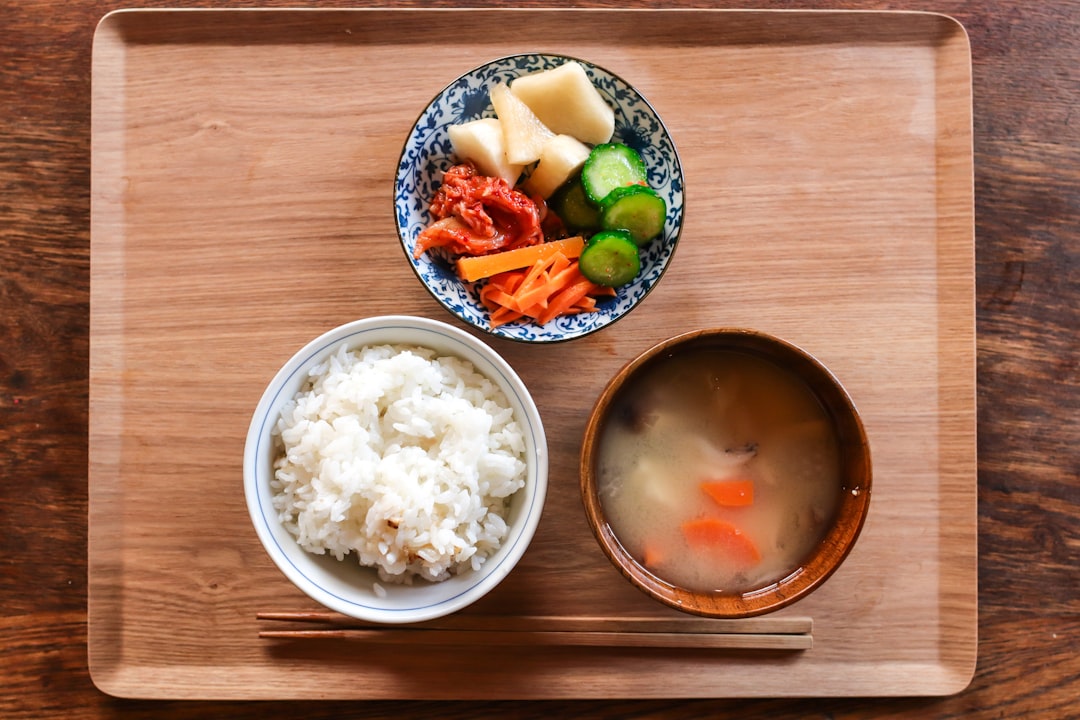

Photo by Takafumi Yamashita on Unsplash
What Is Kaiseki? Understanding Japan’s Highest Culinary Art Form
Kaiseki (懐石 or 会席) represents the pinnacle of Japanese culinary tradition — a multi-course dining experience that weaves together seasonal ingredients, artistic presentation, and centuries of refined hospitality. Rooted in the philosophy of omotenashi (wholehearted hospitality), kaiseki is far more than a meal. It is a carefully orchestrated cultural performance designed to engage all five senses and connect the diner to the current season, the chef’s philosophy, and the deep heritage of Japanese aesthetics.
Whether you are planning to dine at a celebrated ryotei (traditional Japanese restaurant) in Kyoto, experience kaiseki at a luxury ryokan, or simply want to appreciate what unfolds before you at the table, understanding kaiseki dining etiquette is essential. Knowing how to conduct yourself respectfully will not only enrich your personal experience but will also honor the extraordinary effort that goes into every single course.
The Structure of a Kaiseki Meal: What to Expect Course by Course
Traditional kaiseki follows a specific sequence of courses, each served in a precise order that reflects balance, harmony, and the progression of flavors. While variations exist between establishments and regions, the typical kaiseki progression looks like this:
- Sakizuke: The opening appetizer, similar to an amuse-bouche, setting the seasonal tone of the meal.
- Hassun: A seasonal platter featuring one ocean ingredient and several mountain ingredients, representing the theme of the meal.
- Mukōzuke: A fresh seasonal sashimi dish served alongside the soup course.
- Takiawase: Simmered vegetables, meat, seafood, or tofu served separately on the same plate.
- Futamono: A lidded soup dish, often considered the highlight of the meal.
- Yakimono: A grilled seasonal dish, typically fish.
- Su-zakana: A light vinegared dish to cleanse the palate.
- Hiyashi-bachi: A chilled dish, served primarily in summer months.
- Naka-choko: A light, palate-cleansing course, often acidic or citrusy.
- Shiizakana: A substantial dish meant to accompany sake.
- Gohan: A rice dish, traditionally made with seasonal ingredients.
- Kō no mono: Seasonal pickles served alongside the rice.
- Tome-wan: A closing miso or vegetable soup.
- Mizugashi: A fresh fruit or wagashi (traditional sweet) dessert course.
Not every kaiseki meal will include every course, and modern interpretations may condense or reinterpret this sequence. However, the underlying philosophy of progression, balance, and seasonal celebration always remains.
Essential Kaiseki Dining Etiquette: Before You Sit Down
Making a Reservation
Kaiseki restaurants, especially renowned ryotei, often require reservations made well in advance — sometimes weeks or even months ahead. When booking, it is important to communicate any dietary restrictions or allergies clearly. Kaiseki menus are typically fixed and prepared entirely around the seasonal bounty available at that time, so last-minute requests can be difficult to accommodate. Informing the restaurant ahead of time is not just considerate — it is expected.
Dress Code and Appearance
Kaiseki dining calls for smart, respectful attire. You do not necessarily need formal wear, but avoid overly casual clothing such as shorts, flip-flops, or athletic wear. Understated, elegant clothing is ideal. If dining at a traditional ryokan kaiseki, you will typically be provided with a yukata (casual kimono) to wear during the meal, which is entirely appropriate and encouraged.
Punctuality Is Paramount
Arriving on time is considered a sign of respect in Japanese culture. Many kaiseki restaurants begin preparations for each table with military precision. Arriving late disrupts this carefully timed sequence and can be seen as disrespectful to the chef and staff. Aim to arrive five to ten minutes early.
At the Table: Key Kaiseki Dining Etiquette Rules
Receiving and Appreciating Each Course
When each course is presented, take a moment before eating to appreciate its visual arrangement. The plating in kaiseki is an art form in itself — chefs spend years mastering the aesthetic principles of ma (negative space), color harmony, and seasonal symbolism in their presentations. A brief pause to observe the dish honors this effort. You may say “itadakimasu” (いただきます) before the meal begins, which roughly translates to “I humbly receive” — this is a universally appreciated gesture in any Japanese dining setting.
How to Handle Chopsticks Properly
Chopstick etiquette is critical in any Japanese dining context, and kaiseki is no exception. Key rules to remember include:
- Never stick chopsticks upright into rice — this resembles funeral incense offerings and is considered deeply inauspicious.
- Never pass food from chopstick to chopstick, as this mimics a funeral ritual involving bones.
- Avoid pointing at people or dishes with your chopsticks.
- When not in use, rest chopsticks on the hashioki (chopstick rest) provided.
- Do not use the same end of chopsticks you eat with to take food from shared dishes — use the opposite end or use serving utensils if provided.
Handling Lacquerware and Ceramics Respectfully
Kaiseki is served on exquisite tableware — hand-painted ceramics, lacquered bowls, and seasonal vessels chosen specifically to complement each course. It is perfectly acceptable and even encouraged to lift bowls (such as rice bowls and soup bowls) to bring them closer to your mouth. This is standard Japanese table etiquette. However, handle all pieces gently and with both hands where possible, as many items are irreplaceable artisan works.
When to Lift the Lid on Covered Dishes
The futamono course arrives in a beautiful lidded bowl. When you lift the lid, tilt it slightly inward first so that any condensation drips back into the bowl rather than onto the table. After removing the lid, place it upside down beside the bowl. This small gesture demonstrates familiarity with refined dining customs and is always appreciated.
Pacing Yourself Through the Courses
One of the most common mistakes among first-time kaiseki diners is eating too quickly. Kaiseki is designed to be a slow, contemplative experience. Each course arrives after the previous one is completed and cleared. There is no need to rush. Relax into the rhythm of the meal, engage in quiet conversation, and allow yourself to be fully present with each dish.
Navigating Sake and Beverage Etiquette
Sake, Japanese whisky, craft beer, and tea are common accompaniments to kaiseki. When drinking sake in a social setting, it is polite to pour for others before pouring for yourself. If someone pours for you, hold your cup with both hands as a gesture of gratitude. It is also perfectly acceptable to ask for tea if you prefer a non-alcoholic pairing — green tea, in particular, complements kaiseki beautifully and is never out of place.
Never fill your own glass while others at the table are empty. Keep an eye on your dining companions and offer to refill their drinks as a gesture of attentiveness.
Interacting with the Chef and Staff
In many high-end kaiseki restaurants, especially at smaller, chef-driven establishments, the chef may personally present certain courses and explain the ingredients or inspiration behind the dish. This is a wonderful opportunity to engage respectfully. Listen attentively, ask thoughtful questions if appropriate, and express genuine appreciation. A sincere “oishii” (おいしい — delicious) or a warm smile goes a long way.
Avoid using your phone to take photographs without first checking whether it is permitted. Some kaiseki establishments have policies against photography to protect the ambiance for all guests. If photography is allowed, be discreet and never use flash, which can disturb the mood and other diners.
Finishing the Meal Graciously
When the final courses have been served and you are ready to conclude the meal, say “gochisōsama deshita” (ごちそうさまでした), which expresses gratitude for the meal. This phrase is deeply meaningful in Japanese culture and will be warmly received by the staff and chef.
Tipping is not customary in Japan and can sometimes be considered offensive. The service charge, if any, is typically included. The best way to show appreciation is through sincere verbal thanks and, if you enjoyed the experience, by leaving a thoughtful review or returning for a future visit.
Special Considerations: Kaiseki at a Ryokan
Experiencing kaiseki at a traditional ryokan adds another layer of cultural richness. In this setting, the meal is typically served in your room or a private dining area by a dedicated attendant called a nakai-san. Meals are served at a low table called a chabudai while seated on cushions (zabuton) on tatami flooring. Sit in seiza (formal kneeling posture) if comfortable, or cross-legged — both are acceptable. Avoid pointing your feet toward the table or toward other guests, as this is considered impolite.
Common Mistakes to Avoid at Kaiseki Dining
- Requesting changes to the fixed menu without prior communication
- Eating courses out of order or mixing flavors between courses
- Using your phone loudly or taking intrusive photographs
- Arriving late or leaving abruptly mid-meal
- Attempting to tip the staff with cash
- Skipping the verbal expressions of thanks before and after the meal
Embracing the Spirit of Kaiseki
More than a set of rules, kaiseki etiquette is an expression of mutual respect — between the diner and the chef, between humans and the seasonal rhythms of nature, and between the present moment and centuries of Japanese culinary heritage. When you approach kaiseki with genuine curiosity, mindfulness, and gratitude, the experience transcends a meal and becomes something truly unforgettable.
Japan’s culinary culture rewards those who approach it with an open heart. Whether it is your first kaiseki experience or your tenth, each meal offers something new — a different season, a different ingredient, a different story told through food. Allow yourself to be moved by it.