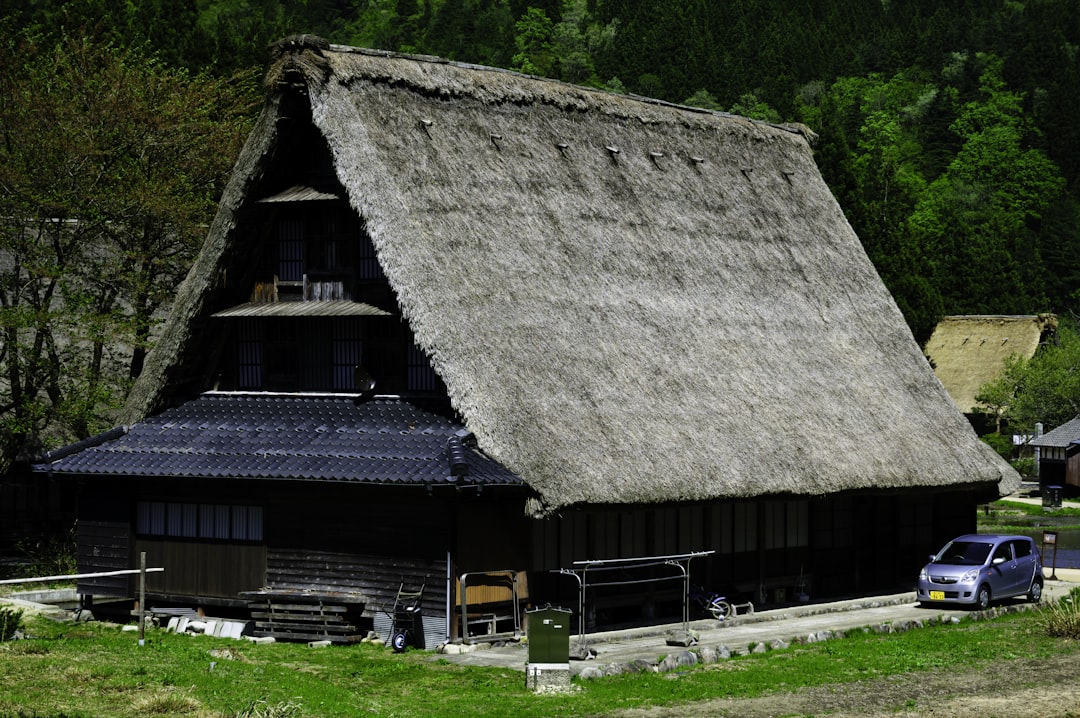
If you’re trying to book an ama hut experience in Toba before your trip, here’s the one detail that matters most: reservations for the Osatsu Kamado-goya (相差かまど小屋) need to go in at least a day ahead through the Toba Ama Culture Research Institute, and the 40-minute seating slots at 10:00, 11:30, 13:00, and 14:30 fill up fast on weekends between April and October. Walk-ins get turned away more often than not, especially if a bus tour group has booked the whole slot. Everything else below is what I learned sitting cross-legged on a tatami mat in a smoke-filled hut in Osatsu, watching a 68-year-old ama grill turban shells over charcoal.
What an Ama Hut Experience Actually Is
Ama (海女, literally “sea women”) are the free divers of the Shima Peninsula who have hand-harvested abalone, turban shells (sazae), and seaweed without scuba gear for centuries, diving in cotton isogi suits even in winter. The amagoya, or ama hut, was traditionally a wood-fired shelter where divers warmed up between dives and cooked their catch. A handful of these huts in the Osatsu and Hachimankamado districts of Toba have been turned into paid visitor experiences, where you sit around an irori hearth, eat grilled seafood the ama caught that morning, and listen to her talk about diving life. It’s not a show for tourists reciting a script — the ama running the hut I visited answered questions about water temperature, how long she can hold her breath (she said around 1 minute at depth, longer on the surface), and why fewer young women are taking up the job.
Osatsu Kamado-goya vs. Other Huts
Osatsu Kamado-goya is the best-known and easiest to book as an independent traveler because it’s run as a cooperative with English-language reservation support. There’s also a smaller hut experience in the Hachimankamado area closer to central Toba, but it’s geared more toward prearranged group tours from ryokan and less toward solo bookings. If you only have time for one, Osatsu is the practical choice.
Getting There From Toba Station
Toba Station is served by both JR Sangu Line and Kintetsu Shima Line, and most visitors arrive via Kintetsu limited express from Nagoya (about 1 hour 40 minutes) or from Osaka Namba (around 2 hours), including the Shimakaze sightseeing train if you book that route in advance. From Toba Station, Osatsu is roughly 7 km south along the coast. The Kamome bus bound for Osatsu runs from the station’s bus terminal (stop number 2) and takes about 25 minutes, with a fare around 500 yen one-way; buses run roughly once an hour, so check the timetable before you plan your slot. A taxi from the station costs approximately 2,800–3,200 yen and takes about 15–20 minutes, which is worth it if you’re trying to make an 11:30 reservation after a morning at Mikimoto Pearl Island, which sits a 5-minute walk from Toba Station itself.
What You Eat and What It Costs
The standard course runs about 3,850 yen per person (always confirm current pricing when you book, as it shifts with seafood prices) and includes grilled sazae turban shell, scallops, and seasonal items like oysters in winter or whole squid in summer, plus a drink — usually barley tea or a small cup of sake. You cook nothing yourself; the ama tends the charcoal and tells you when each piece is ready. Portions are modest, more snack than meal, so I’d recommend eating a proper lunch at one of the seafood restaurants near Toba Station — Hamayuu or the stalls inside Toba Terrace do solid kaisendon in the 1,800–2,500 yen range — either before or after the hut visit rather than treating the hut as your main meal.
What Actually Happens During the Visit
You remove your shoes, sit on cushions around a sunken charcoal hearth, and the ama starts cooking almost immediately so the shells stay warm. Conversation is informal; staff translate basic English if the ama doesn’t speak it, though a surprising number of the women working these huts know enough tourism English to get through pleasantries and seafood names. Expect smoke — the hut has a thatched or wood roof with minimal ventilation, so if you have asthma or are sensitive to smoke, sit near the entrance. Photos are allowed, and most ama are happy to pose in their traditional white headscarf (tenugui) once the meal is done, though flash photography during cooking is discouraged since it startles the charcoal into flaring.
Best Time of Year to Go
The experience runs year-round, but the hut is at its coziest in winter (December–February) when the charcoal fire does double duty as heating and the seafood lineup includes fat oysters from nearby Matoya Bay. Summer visits are atmospheric but hot and humid inside the hut, since there’s no air conditioning and the fire still runs. If you want to combine the hut with an actual ama diving demonstration — some operators arrange short harbor-side dives for groups outside peak harvest restrictions — late spring (May) tends to have the calmest water and best visibility.
Combining It With the Rest of Toba
Most people build this into a half-day loop: Toba Station → Mikimoto Pearl Island (allow 1.5 hours, entry around 1,650 yen) → bus or taxi to Osatsu for the ama hut → back to Toba Station for the train onward to Ise or Kashikojima. The Osatsu neighborhood itself is worth 20 minutes of wandering afterward — it’s a working fishing village with narrow lanes, drying nets, and the Shinmei Shrine, which locals associate with the ama’s protective charm, the “seaman” (star-and-grid) symbol you’ll see carved on doors throughout the village.
Nearby: The Sea-Folk Museum
If the hut experience leaves you wanting more context, the Toba Sea-Folk Museum (海の博物館, Umi no Hakubutsukan) in nearby Urazoe has an entire wing on ama diving tools, suits, and oral histories, with English signage and an entry fee around 800 yen. It pairs well as a rainy-day backup if a hut reservation falls through.
Booking Tips and a Few Honest Caveats
Book directly through the Toba City tourism association’s ama hut page or by phone rather than through a general travel agency markup — the price difference can be several hundred yen per person. Minimum group size is sometimes enforced (often 2 people), so solo travelers should check availability directly rather than assuming they’ll be turned away; I was able to join a slot alongside another small group when traveling alone. One caveat worth knowing before you go: this is fundamentally a conversation-and-snack experience, not a meal, and not an actual diving demonstration — if you’re expecting to watch an ama dive into the ocean, that’s a separate, less commonly offered activity and you should ask specifically when booking whether a harbor dive is included that day, since it depends on sea conditions and isn’t guaranteed even if advertised.
Photo by kai muro on Unsplash