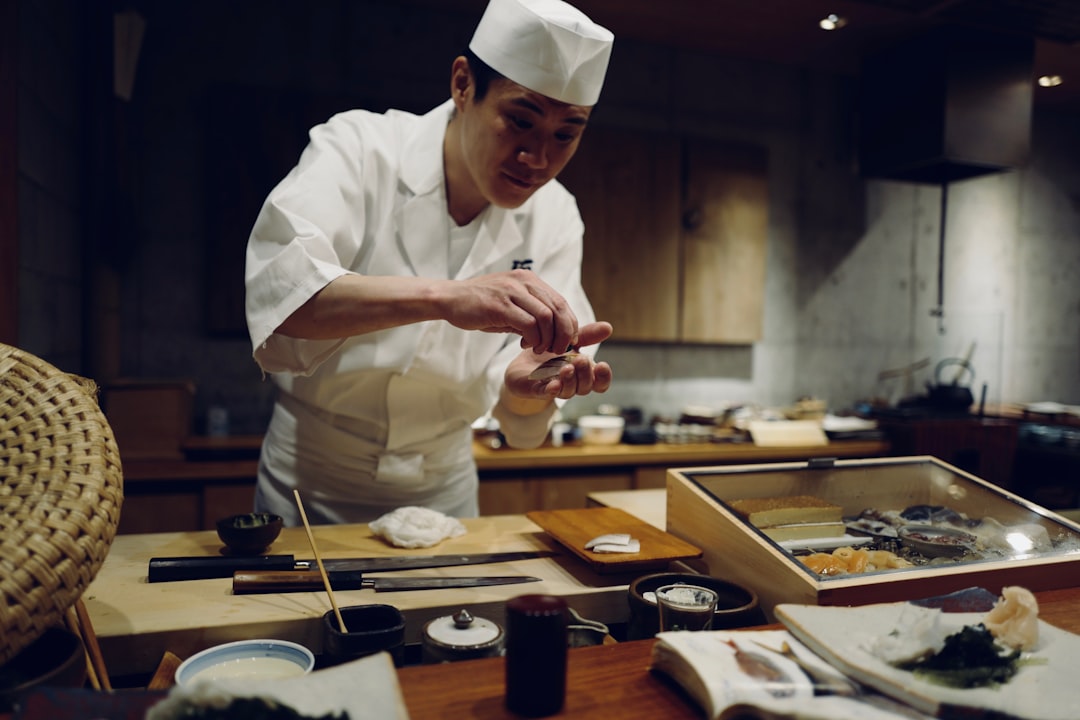
What Is Kaiseki? An Introduction to Japan’s Most Refined Dining Experience
Kaiseki is often described as the pinnacle of Japanese cuisine, a meticulously choreographed multi-course meal that transforms dining into an art form. Far more than a simple sequence of dishes, kaiseki is a philosophy expressed through food: a celebration of the seasons, a showcase of a region’s finest ingredients, and a demonstration of a chef’s technical mastery and aesthetic sensibility. If you have ever wondered why a kaiseki dinner can stretch across ten or more tiny, exquisitely plated courses, or why the menu changes completely from month to month, this guide will walk you through everything you need to know.
The Origins of Kaiseki: From Tea Ceremony to Culinary Art
The word kaiseki has a curious dual origin, and understanding it helps explain the style’s emphasis on restraint and seasonality. The term is believed to derive from the practice of Zen monks who would tuck a warm stone (seki) into their robes to stave off hunger during long periods of meditation. This idea of a small, comforting sustenance eventually evolved into cha-kaiseki, the simple, seasonal meal served before a formal tea ceremony to prepare guests’ palates for the bitterness of matcha.
Cha-kaiseki vs. Kaiseki Ryori
Over the centuries, this humble tea-ceremony meal merged with another culinary tradition called honzen ryori, the elaborate banquet cuisine of the samurai class, to create what we now know as kaiseki ryori (also written with different characters meaning ‘meeting’ and ‘stone’). Modern kaiseki retains the tea ceremony’s reverence for seasonality and simplicity while embracing the visual grandeur and course structure of formal banquet dining. Today, when people refer to a kaiseki multi-course seasonal menu, they typically mean this more elaborate restaurant and ryokan style, though the tea-ceremony roots remain visible in its quiet, contemplative pacing.
The Philosophy Behind Kaiseki: Shun, Balance, and Omotenashi
At the heart of every kaiseki meal lies the concept of shun, the peak moment when an ingredient is at its most flavorful and abundant. Chefs plan menus around what is being harvested that very week, sometimes changing dishes daily depending on what arrives from the fish market or a trusted local farmer. This devotion to seasonality means no two visits to a kaiseki restaurant, even in the same month of different years, will ever be quite identical.
Beyond seasonality, kaiseki is guided by principles of balance: balance of flavors (sweet, salty, sour, bitter, and umami), balance of cooking techniques (raw, grilled, simmered, steamed, and fried dishes are distributed throughout the meal), and balance of color and texture on the plate. Underlying all of this is omotenashi, the Japanese spirit of selfless hospitality, expressed through the careful choice of tableware, the pacing of courses, and even the way a dish is angled toward the diner for the most beautiful view.
Anatomy of a Kaiseki Meal: Course by Course
While the exact lineup varies by chef and region, a traditional kaiseki multi-course seasonal menu generally follows a recognizable structure. Understanding these courses will help you appreciate the rhythm of the meal.
1. Sakizuke
An amuse-bouche-style appetizer, similar to a French amuse bouche, meant to whet the appetite and hint at the season’s theme. It’s often a small, artful bite served with sake.
2. Hassun
This course expresses the season most directly, pairing a small piece of seafood or meat with a vegetable-based dish arranged on a beautiful tray. Hassun literally means ‘eight inches,’ referring to the traditional size of the cedar tray it’s served on.
3. Mukouzuke (Otsukuri)
A selection of seasonal sashimi, chosen for what is freshest that day. Presentation is key here, with slices arranged to showcase texture and color against seasonal garnishes.
4. Takiawase
A simmered dish that pairs a protein (often fish or tofu) with vegetables, each cooked separately to preserve their individual flavors before being combined in the bowl.
5. Futamono
A soup course, frequently served in a lidded bowl (the name literally means ‘lidded thing’), designed to be a fragrant, comforting interlude in the middle of the meal.
6. Yakimono
A grilled dish, typically fish, showcasing the simple but skillful application of heat. Salt-grilled sweetfish in summer or grilled yellowtail in winter are classic examples.
7. Su-zakana
A small palate-cleansing course, often a light vinegared or pickled dish, meant to refresh the mouth before the next round of richer flavors.
8. Shiizakana
A more substantial hot pot or simmered dish, sometimes cooked tableside, that allows for a heartier, more indulgent flavor before the meal winds down.
9. Gohan, Miso-shiru, and Ko no mono
Rice, miso soup, and pickles arrive together near the end of the meal, a trio that signals the meal’s grounding return to everyday Japanese comfort food after the artistry of the preceding courses.
10. Mizumono
The final course, a light seasonal dessert such as fruit, a delicate wagashi sweet, or a small scoop of sorbet, offering a refreshing and elegant close to the dining experience.
How the Seasons Shape Every Kaiseki Menu
Because kaiseki is built entirely around seasonality, the same restaurant’s menu can look completely different depending on the time of year. In spring, expect delicate bamboo shoots, cherry blossom-themed garnishes, and tender young vegetables. Summer menus lean toward cooling dishes like chilled somen noodles, ayu (sweetfish), and vibrant, refreshing vinegared preparations to combat the heat and humidity. Autumn brings earthy mushrooms, chestnuts, saury, and persimmon, often presented with warm, amber-toned tableware that echoes the changing leaves. Winter kaiseki turns to hearty hot pots, fatty tuna, crab, and root vegetables, served in heavier, more rustic bowls that evoke warmth and comfort. Even the choice of dishware, from glassware in summer to earthenware in winter, reflects this seasonal storytelling.
Where to Experience Authentic Kaiseki in Japan
Kyoto is widely considered the spiritual home of kaiseki, thanks to its long history of imperial court cuisine, Zen Buddhist temple cooking (shojin ryori), and refined tea culture. Many of the city’s most celebrated ryotei (traditional high-end restaurants) have served kaiseki for generations, often in historic wooden buildings overlooking private gardens. Tokyo, Kanazawa, and Kyoto’s surrounding regions also boast exceptional kaiseki establishments, each incorporating local specialties into the seasonal framework. Beyond standalone restaurants, kaiseki is also a highlight of staying at a traditional ryokan inn, where a beautifully presented seasonal dinner is typically served in your room or a private dining area as part of the overnight experience.
Kaiseki Etiquette: Tips for First-Time Diners
- Arrive on time, as courses are often prepared and timed precisely to be served at their peak.
- Eat and drink at a relaxed pace; kaiseki is meant to be savored slowly over one and a half to three hours.
- It’s polite to comment on the presentation or ask about ingredients, as chefs take great pride in explaining seasonal choices.
- Try to finish each course before the next arrives, and don’t be afraid to ask your server about unfamiliar ingredients.
- Photography is usually welcomed, though it’s courteous to ask first at more traditional or intimate establishments.
What Does Kaiseki Cost?
Because of the labor-intensive preparation, premium seasonal ingredients, and artisanal tableware involved, kaiseki tends to be one of the more expensive dining experiences in Japan. Lunch kaiseki menus offer a more affordable way to sample the style, while dinner courses at renowned ryotei can be a significant splurge. Many ryokan include kaiseki dinners in their overnight rates, offering excellent value for travelers who want to experience this culinary art without booking a separate high-end restaurant reservation.
Final Thoughts
A kaiseki multi-course seasonal menu is far more than a meal; it is a sensory journey through Japan’s landscape, climate, and culinary philosophy, told one small, deliberate course at a time. Whether you experience it in a centuries-old Kyoto ryotei or as part of a ryokan stay in the countryside, approaching kaiseki with curiosity and patience will reward you with a deeper appreciation of Japanese hospitality, seasonality, and the quiet artistry behind every dish.
Photo by Thomas Marban on Unsplash