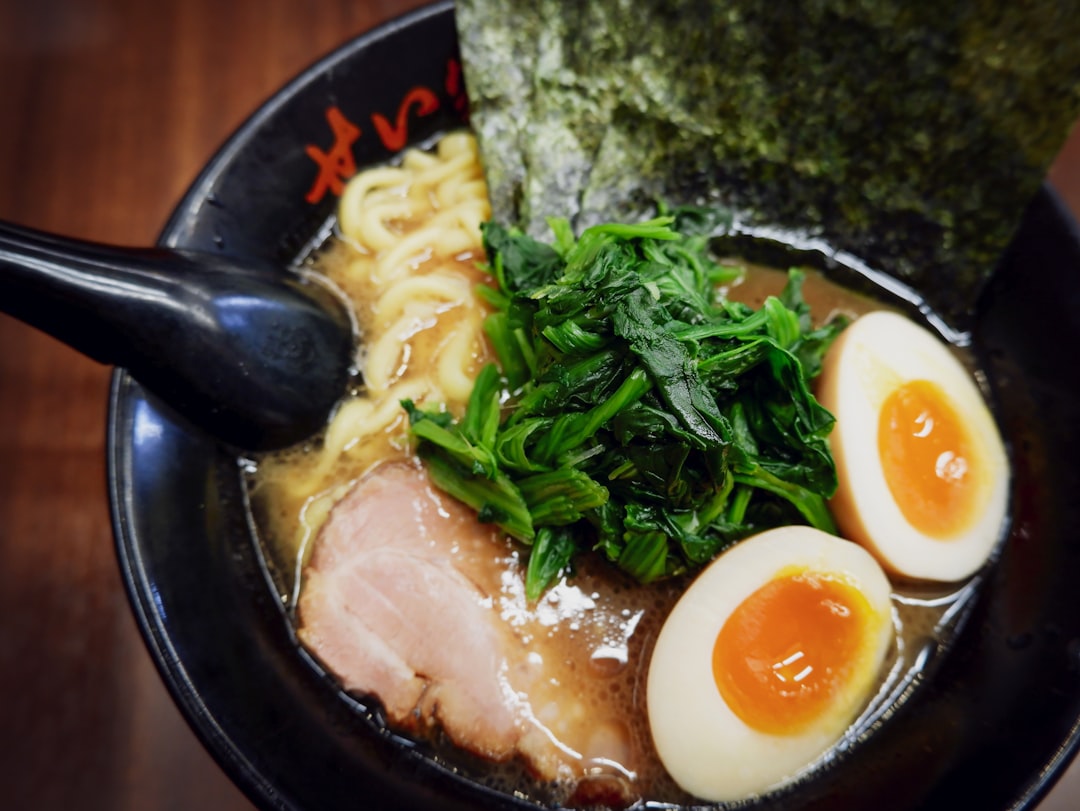

Photo by Susann Schuster on Unsplash
Why Osaka Deserves a Spot on Every Ramen Lover’s Map
When people talk about ramen pilgrimages in Japan, Tokyo and Fukuoka usually steal the spotlight. But Osaka, the nation’s kitchen, has quietly built one of the most diverse and satisfying ramen scenes in the country. From rich tonkotsu bowls to fiery Osaka-style karaage-topped ramen, this city rewards travelers willing to step off the beaten path and slurp their way through its backstreets. This guide dives into what makes Osaka’s ramen culture unique, the different regional styles you’ll encounter, and how to identify a truly authentic shop when you find one.
What Makes Osaka Ramen Different
Unlike Sapporo’s miso-based broths or Hakata’s ultra-thin noodles in pork bone soup, Osaka doesn’t have one single defining ramen style. Instead, the city acts as a melting pot, drawing influences from Kyushu, Kansai, and even Tokyo-style shoyu ramen. Many Osaka shops blend techniques, creating hybrid bowls that are hard to categorize but easy to love. This openness to experimentation is part of why the city’s ramen culture feels so alive and constantly evolving.
Osaka is also known for its love of rich, umami-heavy flavors, a trait that carries over into its ramen. Broths here often lean toward deep, long-simmered pork or chicken bases, sometimes finished with a splash of soy sauce or a fragrant garlic oil that lingers on the palate long after the bowl is empty.
Key Ramen Styles You’ll Find in Osaka
Tonkotsu Ramen
Creamy, milky pork bone broth simmered for hours until it turns opaque and silky. Many Osaka shops put their own spin on this Kyushu classic, adjusting richness and saltiness to suit local palates. Expect thin, firm noodles designed to hold up in the thick broth.
Shoyu Ramen
A soy-sauce based broth that’s lighter in color but deep in flavor, often built on a chicken or combination chicken-pork stock. This style tends to highlight the quality of the tare (the seasoning base) more than the fattiness of the broth.
Osaka-Style Black Ramen
A lesser-known but beloved local specialty featuring a dark, almost black broth made with a heavy dose of soy sauce and sometimes charred garlic. It’s bold, salty, and intensely satisfying, especially after a night out in Dotonbori or Namba.
Tsukemen (Dipping Noodles)
Thick, chewy noodles served separately from a concentrated dipping broth. While not unique to Osaka, the city has several standout tsukemen specialists worth seeking out for a different textural experience.
How to Spot an Authentic Ramen Shop
With so many options, it helps to know what separates a genuine, craft-focused ramen shop from a tourist trap. Here are some signs to look for:
- Long lines of local salarymen during lunch hours, especially near business districts like Umeda or Honmachi.
- A vending machine ticket system at the entrance, which is standard for many serious ramen shops across Japan.
- A short, focused menu rather than an overwhelming list of dozens of dishes.
- Visible attention to broth preparation, such as large simmering pots behind the counter.
- Handwritten signs or limited English, often a good indicator that the shop caters primarily to locals.
Best Neighborhoods for Ramen Hunting
Namba and Dotonbori
The most famous entertainment district in Osaka is unsurprisingly packed with ramen shops, ranging from tourist-friendly chains to hidden gems tucked into narrow alleys. Late-night ramen here is something of a rite of passage after exploring the neon-lit streets.
Umeda
As Osaka’s business hub, Umeda is where you’ll find shops catering to office workers looking for a quick, satisfying lunch. Expect efficient service, consistent quality, and shorter wait times outside peak hours.
Tennoji
A slightly more local, less touristy area that offers excellent value and a chance to experience ramen culture away from the crowds. This is a great neighborhood for those wanting a more authentic, unhurried experience.
Ramen Etiquette Every Visitor Should Know
Part of enjoying authentic ramen shops in Osaka is understanding the unspoken rules that locals follow. Slurping your noodles isn’t just acceptable, it’s encouraged, as it’s believed to enhance the flavor and cool the noodles slightly. Meals tend to be eaten quickly and efficiently, with conversation kept to a minimum, especially at counter-style shops with limited seating. It’s also common to finish your broth completely, a small gesture of respect for the chef’s effort in crafting the soup base.
Most shops use ticket vending machines near the entrance. You’ll select and pay for your dish before sitting down, then hand the ticket to the staff. If the machine only has Japanese text, look for the most popular button, usually highlighted, or simply order the top item, which is often the shop’s signature bowl.
Tips for Finding Hidden Ramen Gems
While guidebooks and travel sites highlight famous chains, some of the best bowls in Osaka come from small, unassuming shops with only a handful of seats. Here are a few strategies for finding these hidden treasures:
- Walk through narrow side streets rather than sticking to main roads, especially in areas like Namba and Tennoji.
- Look for shops with a steady stream of local customers rather than tourists.
- Pay attention to the aroma. A rich, inviting smell wafting onto the street is often a good sign.
- Don’t be afraid to try shops with minimal signage or English menus. These are often the most authentic experiences.
- Ask locals or hotel staff for recommendations, as word-of-mouth often leads to the best discoveries.
Toppings and Customization
Authentic ramen shops in Osaka often allow for a degree of customization, though it’s more subtle than in some Western fast-casual dining. Common toppings include chashu (braised pork belly), ajitama (marinated soft-boiled egg), menma (fermented bamboo shoots), scallions, and nori. Some shops allow you to adjust the richness of the broth, the firmness of the noodles, or the amount of garlic and spice. If you’re unsure, it’s perfectly acceptable to order the standard bowl first before venturing into customization on a return visit.
Pairing Ramen with the Osaka Food Scene
Ramen fits naturally into Osaka’s broader food culture, which is famous for hearty, flavorful dishes served without pretension. Many visitors pair a ramen stop with other Osaka specialties like takoyaki or okonomiyaki, making for a satisfying food crawl through the city’s most vibrant districts. Because ramen shops are often open late, they also make a perfect final stop after an evening of exploring bars and street food stalls.
Final Thoughts
Osaka’s ramen scene may not have the singular fame of Hakata or Sapporo, but that’s precisely what makes it exciting. The city’s willingness to blend styles, experiment with bold flavors, and cater to a demanding local palate has created a ramen culture that rewards curious eaters. Whether you’re slurping a rich tonkotsu bowl in a hole-in-the-wall shop in Tennoji or trying a bold black shoyu ramen after a night in Dotonbori, authentic ramen shops in Osaka offer some of the most memorable meals you’ll find anywhere in Japan.