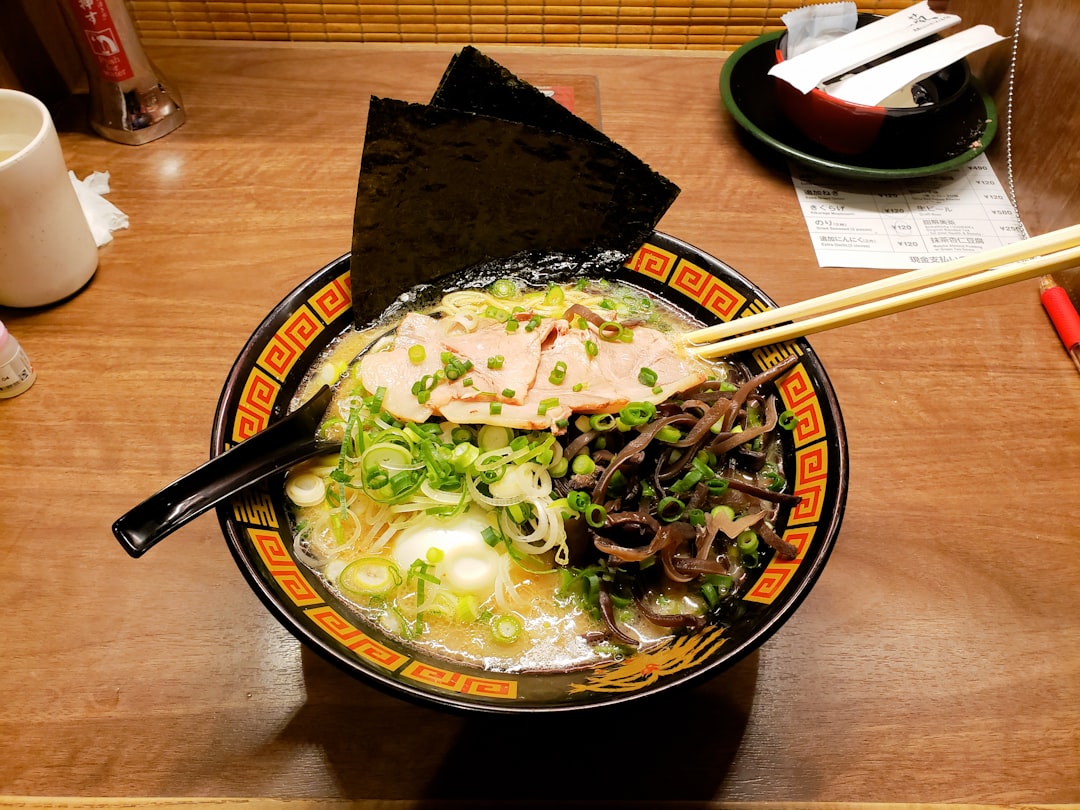

Photo by Crystal Jo on Unsplash
Why Osaka Is a Hidden Gem for Ramen Lovers
When most food travelers think of ramen in Japan, cities like Sapporo, Fukuoka, or Tokyo often steal the spotlight. But Osaka — famously nicknamed Tenka no Daidokoro, or “Japan’s Kitchen” — has been quietly building one of the most exciting and diverse ramen scenes in the entire country. From rich, pork-heavy broths to delicate seafood-infused soups, authentic ramen shops in Osaka offer an extraordinary range of flavors that reflect the city’s deep culinary pride and openness to innovation.
Whether you’re a first-time visitor or a seasoned Japan traveler, navigating Osaka’s ramen landscape can be both thrilling and overwhelming. This guide will walk you through everything you need to know — the regional styles, the must-try neighborhoods, what to look for in an authentic bowl, and practical tips for making the most of your ramen adventures in this vibrant city.
Understanding Osaka’s Ramen Culture
Unlike Sapporo’s signature miso ramen or Fukuoka’s iconic tonkotsu, Osaka doesn’t have a single definitive ramen style. Instead, the city acts as a melting pot, embracing and elevating ramen traditions from across Japan while adding its own Osaka-style flair. This culinary open-mindedness is part of what makes the ramen scene here so exciting.
That said, there are a few characteristics that many authentic Osaka ramen shops share. Broths here tend to be slightly lighter and more balanced than the ultra-rich tonkotsu of Kyushu, though bold flavors are never far away. Osaka’s famously social dining culture — centered around the concept of kuidaore (eating until you drop) — means that ramen shops here are often lively, welcoming spaces where the experience is just as important as the bowl.
Popular Ramen Styles You’ll Find in Osaka
- Shio (Salt) Ramen: A clean, clear broth that highlights the quality of the ingredients. Often made with chicken or seafood bases, shio ramen is an elegant choice for those who prefer subtlety over richness.
- Shoyu (Soy Sauce) Ramen: A classic, slightly amber-colored broth with umami depth. Tokyo-style shoyu ramen has many devoted followers in Osaka, and local shops often put their own spin on it.
- Tonkotsu Ramen: Creamy, milky pork bone broth that originated in Fukuoka but has found passionate fans throughout Osaka. Local shops often blend tonkotsu with other elements for a distinctive Kansai twist.
- Miso Ramen: Hearty and warming, miso ramen has grown popular throughout Japan. Osaka shops often pair it with rich toppings like butter, corn, and thick-cut chashu pork.
- Tsukemen (Dipping Ramen): Cold or room-temperature noodles served separately from a concentrated hot broth for dipping. This modern style has found a devoted following among Osaka’s younger food community.
Best Neighborhoods to Find Authentic Ramen in Osaka
Namba and Shinsaibashi
The pulsating heart of Osaka’s tourist and food scene, Namba and neighboring Shinsaibashi are excellent starting points for your ramen journey. The winding backstreets behind Dotonbori hide numerous small, family-run ramen shops that have been serving loyal customers for decades. Look for shops with handwritten menus, a steamy interior, and a queue of locals — these are almost always reliable indicators of quality and authenticity. The area is particularly great for late-night ramen, as many shops here stay open well past midnight to serve Osaka’s famously nocturnal crowd.
Umeda and Osaka Station Area
Umeda is not only Osaka’s main commercial hub but also a surprisingly fertile ground for serious ramen. The underground shopping complexes and the streets surrounding Osaka Station house everything from established ramen chains to innovative new shops pushing the boundaries of the craft. The Shin-Umeda Shokudogai (New Umeda Food Alley), a retro alley near the station, is worth exploring for its atmospheric collection of small eateries, including some excellent ramen spots.
Tennoji and Abeno
Often overlooked by tourists who stay in the northern or central parts of Osaka, Tennoji offers a more local, neighborhood-oriented ramen experience. The area surrounding Tennoji Park and the Abeno district has a dense concentration of ramen shops catering to everyday Osaka residents rather than visitors. This makes it one of the best places to experience ramen in a genuinely unpretentious, community-focused setting. Prices here also tend to be slightly more affordable, making it ideal for budget-conscious travelers who don’t want to sacrifice quality.
Fukushima
Fukushima has transformed in recent years into one of Osaka’s most exciting food districts, attracting innovative chefs and restaurateurs. The ramen scene here reflects that creative energy, with several shops experimenting with non-traditional broths, artisanal noodles, and unexpected toppings while still maintaining respect for the fundamentals. A stroll through Fukushima’s side streets on a weekend evening will likely lead you past more than a few steaming ramen shop windows.
What Makes a Ramen Shop Truly Authentic?
The word “authentic” gets used loosely in travel writing, but when it comes to ramen, there are a few meaningful markers to look for. Authentic ramen shops in Osaka — and throughout Japan — typically make their broths from scratch, simmering bones, vegetables, and aromatics for many hours (sometimes an entire day) to achieve depth of flavor. The noodles are ideally made in-house or sourced from a specialist noodle producer rather than mass-manufactured.
Toppings also speak volumes. Look for thick-cut, slow-braised chashu (pork belly or shoulder), perfectly marinated soft-boiled eggs (ajitsuke tamago), menma (bamboo shoots), and fresh negi (green onions). A thoughtfully composed bowl where every element complements the others is the hallmark of a serious ramen chef.
The physical space matters too. Many of Osaka’s most beloved ramen shops are small — sometimes just a counter with eight to ten seats. These intimate settings allow the chef to maintain quality control over every bowl. Don’t let a no-frills interior put you off; it often means the owner is investing everything into the food rather than the décor.
Practical Tips for Eating Ramen in Osaka
Using the Ticket Machine
Many authentic ramen shops in Japan, including Osaka, use a vending machine system (kenbaiki) where you purchase a ticket for your order before sitting down. While this might seem intimidating if you can’t read Japanese, most modern machines have picture menus or English labels. When in doubt, press the button for the most expensive item — it’s usually the shop’s signature bowl and almost always worth it.
Timing Your Visit
To avoid long waits, try visiting ramen shops during off-peak hours — late morning (around 11 AM when many shops open) or mid-afternoon between 2 PM and 5 PM. Lunch and dinner rushes can mean waits of 20 to 45 minutes at popular spots, but the queues move quickly. Joining a line is actually a good sign — it means locals trust the shop.
Customization Options
Many Osaka ramen shops allow you to customize your bowl. Common options include broth richness (kotteri for rich, assari for light), saltiness level, amount of garlic, and noodle firmness (harder noodles are often preferred by locals). Don’t be shy about experimenting — staff are generally accustomed to helping unfamiliar customers navigate these choices.
Ramen Etiquette
Slurping your noodles is not only acceptable in Japan — it’s actually a sign that you’re enjoying the meal. Eat your ramen promptly after it’s served, as noodles continue to absorb broth and become soft over time. If the shop offers extra noodles (kaedama) for a small fee, take advantage of it to soak up every last drop of that carefully crafted broth.
Beyond the Bowl: The Story Behind Osaka’s Ramen Scene
Ramen, while deeply associated with Japanese food culture today, has roots in Chinese wheat noodle dishes that were adapted and refined in Japan over the course of the twentieth century. Osaka’s position as a major port city and commercial center meant that it was exposed to diverse culinary influences early on, and the city’s chefs were quick to absorb and transform those influences into something distinctly their own.
Today, Osaka’s ramen community is a dynamic mix of traditionalists who preserve time-honored recipes and modernists who treat ramen as a canvas for culinary creativity. Food festivals, ramen competitions, and pop-up collaborations between shops are regular occurrences, keeping the scene energetic and constantly evolving. For travelers, this means there is always something new and delicious to discover, no matter how many times you visit.
Final Thoughts: Embrace the Ramen Journey
Discovering authentic ramen shops in Osaka is less about following a definitive list and more about embracing the spirit of culinary exploration that defines the city. Wander into a narrow alley, follow the steam and the savory scent of simmering broth, take a seat at a counter, and let a carefully crafted bowl tell you its story. In Osaka, every ramen shop has one — and every bowl is an invitation to understand this remarkable city just a little bit better.
Whether you’re chasing the perfect shio broth, hunting down a legendary tonkotsu, or discovering a creative new fusion that breaks all the rules, Osaka’s ramen scene will reward your curiosity with some of the most memorable eating experiences Japan has to offer. Pack your appetite, bring your sense of adventure, and get ready to slurp.