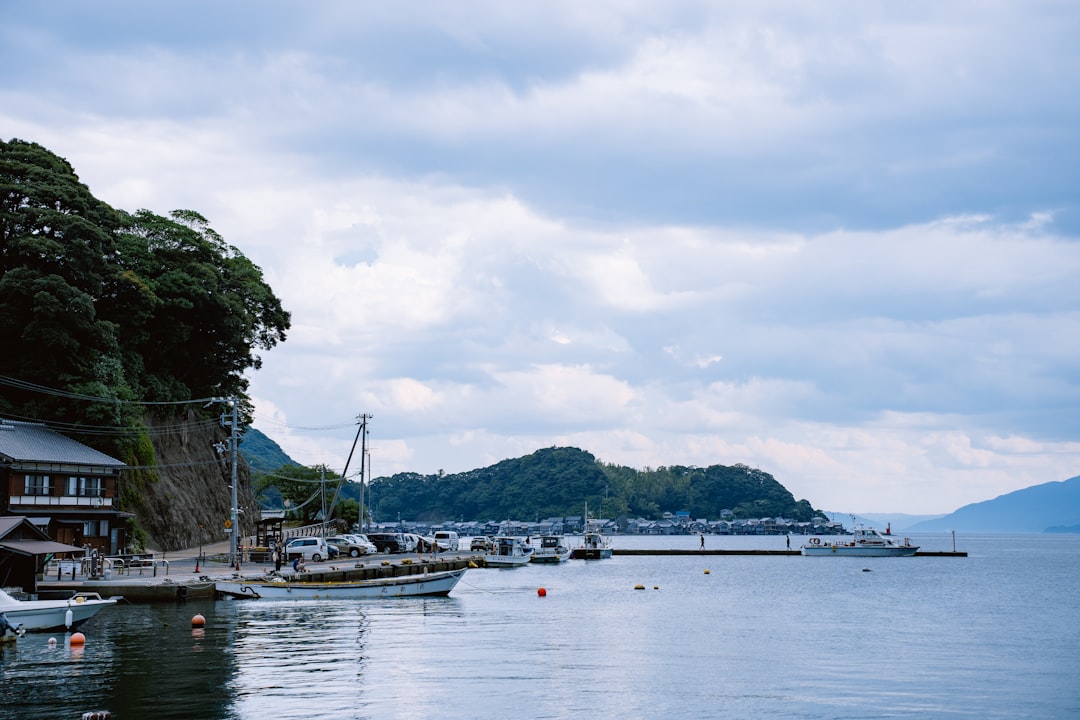
Discover the Rugged Beauty of Wakayama’s Fishing Villages
Tucked along the Kii Peninsula on Japan’s Pacific coast, Wakayama Prefecture remains one of the country’s most underrated destinations. While tourists flock to Kyoto’s temples and Tokyo’s neon streets, a quieter Japan thrives along Wakayama’s dramatic coastline, where centuries-old fishing towns cling to cliffs, harbors bustle with the day’s catch, and hot springs steam beside the sea. This guide explores the best coastal fishing towns in Wakayama, offering everything you need to plan an unforgettable journey into authentic maritime Japan.
Why Visit Wakayama’s Fishing Towns?
Wakayama’s coastline is a UNESCO World Heritage-adjacent region, home to the sacred Kumano Kodo pilgrimage routes, but its true charm lies in the fishing communities that have sustained themselves on tuna, whale-watching heritage, and pristine seafood for generations. Unlike heavily commercialized seaside resorts, these towns retain a slow, genuine rhythm of life. Visitors can wander through narrow lanes lined with wooden fishing boats, sample sashimi so fresh it was swimming hours earlier, and soak in ocean-view onsen baths while watching the sun dip into the Pacific.
Getting to Wakayama’s Coast
Most travelers access the region via JR trains from Osaka or Shin-Osaka Station, connecting through Wakayama City before heading south along the JR Kisei Main Line. Renting a car is highly recommended for exploring smaller fishing hamlets, as train frequency decreases the further south you travel. The drive itself is rewarding, winding along cliffside roads with constant ocean views.
Top Fishing Towns to Explore
1. Katsuura: The Tuna Capital
Nachikatsuura, often simply called Katsuura, is one of Japan’s largest tuna fishing ports. Early risers can visit the morning tuna auction, where massive bluefin tuna are inspected and sold to buyers in a flurry of shouted bids. The town’s ryokan and hotels serve some of the freshest tuna sashimi in the country, and many properties feature open-air baths overlooking the harbor and surrounding islets. Katsuura also serves as a gateway to Nachi Falls and Kumano Nachi Taisha, making it easy to combine coastal exploration with spiritual pilgrimage sites.
2. Taiji: A Complex Whaling Heritage Town
Taiji holds a unique and sometimes controversial place in Japan’s maritime history as a traditional whaling town. The Taiji Whale Museum offers deep insight into the town’s centuries-long relationship with whaling and dolphin fishing, presenting both historical and cultural perspectives. Beyond its whaling legacy, Taiji is a charming small town with a peaceful harbor, quiet beaches, and a strong sense of community identity worth understanding through respectful, informed travel.
3. Shirahama: Where Beach Resort Meets Fishing Village
Shirahama blends resort-town amenities with genuine fishing village character. Famous for its white sand beach (Shirarahama Beach) and some of Japan’s oldest hot springs, Shirahama also has a working fishing port supplying local restaurants with daily catches. Visitors can enjoy dramatic coastal rock formations like Sandanbeki Cliffs and Engetsu Island, then unwind in seaside onsen resorts that have welcomed travelers for over a thousand years.
4. Kushimoto: Japan’s Southernmost Cape Town
Located at Cape Shionomisaki, the southernmost point of Japan’s main island of Honshu, Kushimoto is a haven for divers, snorkelers, and seafood lovers alike. Its position where warm and cool ocean currents meet creates exceptionally rich fishing grounds, and the town’s harbor markets sell an impressive variety of fish, shellfish, and seaweed. Kushimoto Marine Park offers glass-bottom boat tours and diving excursions to see coral reefs at Japan’s northernmost latitude for such ecosystems.
5. Kada: A Hidden Gem Near Wakayama City
For travelers with limited time, Kada offers an accessible taste of fishing village life just a short bus ride from Wakayama City. This compact port town features a lively fish market, quiet shrines, and scenic views toward Tomogashima Islands. It’s an ideal half-day excursion for those based in Wakayama City or passing through en route to Osaka.
6. Yura: Tranquil Harbor and Coastal Trails
Yura is a lesser-visited fishing town offering unspoiled coastal scenery and hiking trails along rugged sea cliffs. The town’s small port sees local fishermen unload catches daily, and nearby Cape Hi no Misaki provides panoramic Pacific views perfect for sunrise photography.
What to Eat in Wakayama’s Fishing Towns
Seafood is the undisputed star of Wakayama’s coastal cuisine. Don’t miss these regional specialties:
- Maguro (Tuna) Sashimi and Don – especially fresh in Katsuura, straight from the auction house.
- Kujira (Whale) Dishes – available in Taiji, though travelers should approach this dish thoughtfully given ongoing global debates.
- Umeboshi (Pickled Plums) – Wakayama is Japan’s top producer, pairing beautifully with seafood meals.
- Sanma Sushi – a local pressed sushi using autumn saury fish, found in inland and coastal towns alike.
- Mikan (Citrus) – Wakayama’s famous oranges make a refreshing dessert after a seafood feast.
Best Time to Visit
Wakayama’s coastal towns are enjoyable year-round, each season offering something distinct. Spring brings mild temperatures ideal for coastal hiking, summer is perfect for beach time in Shirahama, autumn offers comfortable weather for exploring harbors and markets, and winter delivers exceptional seafood, particularly tuna and crab, along with fewer crowds and steaming onsen baths that feel especially inviting against the cool sea air.
Practical Travel Tips
- Rent a car for flexibility, especially when visiting smaller villages like Yura or Kada.
- Book accommodations with ocean views in advance during peak holiday seasons.
- Visit fish markets early morning for the freshest selection and liveliest atmosphere.
- Combine coastal towns with Kumano Kodo pilgrimage trails for a well-rounded itinerary blending nature, culture, and cuisine.
- Learn a few basic Japanese phrases, as many fishing towns see fewer international visitors and English signage is limited.
Sample 3-Day Itinerary
Day 1: Arrive in Shirahama, relax at the beach, and soak in a seaside onsen at sunset.
Day 2: Travel to Kushimoto for cape views and marine park exploration, then continue to Katsuura for the evening tuna market preview and fresh sashimi dinner.
Day 3: Visit Nachi Falls and Kumano Nachi Taisha in the morning, then explore Taiji’s whale museum before heading back inland.
Final Thoughts
Wakayama’s coastal fishing towns offer a refreshing alternative to Japan’s crowded tourist circuits. Here, life moves with the tides, meals are defined by what fishermen bring ashore each morning, and the Pacific Ocean is a constant, calming companion. Whether you’re drawn by fresh seafood, dramatic coastal scenery, or the chance to experience a slower, more authentic side of Japan, Wakayama’s fishing villages deserve a place on your travel itinerary.
Photo by PJH on Unsplash