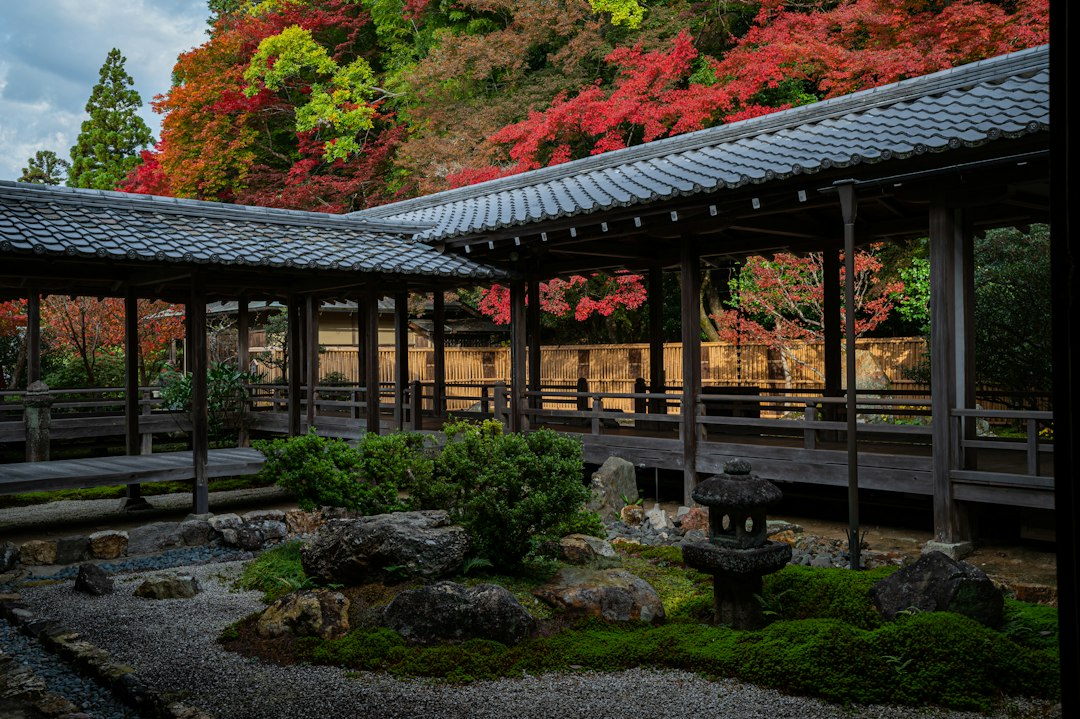
What Is a Shukubo (Temple Lodging)?
A shukubo is a traditional Japanese temple lodging where visitors can sleep, eat, and pray within the grounds of an active Buddhist temple. Originally built for pilgrims traveling between sacred sites, shukubo have evolved into a unique form of accommodation that lets modern travelers experience monastic life firsthand—simple tatami rooms, vegetarian cuisine, and early morning rituals that have remained unchanged for centuries. For anyone visiting Kyoto, and especially the tranquil district of Arashiyama, a temple stay offers a rare chance to slow down and reconnect with the spiritual roots of Japanese culture.
Why Arashiyama Is the Perfect Setting for a Temple Experience
Arashiyama, on the western edge of Kyoto, is famous for its towering bamboo grove, the Hozugawa River, and mountains that turn brilliant colors in autumn and soft green in spring. It is also home to some of Kyoto’s most historically significant temples, including Tenryu-ji, a UNESCO World Heritage Site, along with quieter gems like Jojakko-ji, Gio-ji, and Otagi Nenbutsu-ji. The area’s slower pace, away from the crowds of central Kyoto, makes it an ideal base for travelers seeking a meditative retreat rather than a purely sightseeing itinerary.
Can You Actually Stay Overnight at a Temple in Arashiyama?
This is one of the most common questions travelers ask, and it deserves an honest answer. Most of Arashiyama’s iconic temples—Tenryu-ji, Jojakko-ji, and Gio-ji among them—are day-visit only. They focus on preserving their gardens and historic buildings rather than offering guest accommodation, and many do not have the infrastructure for overnight stays. However, this doesn’t mean a temple lodging experience is out of reach. Kyoto as a whole has a strong shukubo tradition, and several excellent options are located just a short train or bus ride from Arashiyama, making it entirely possible to build a temple-stay itinerary around this beautiful district.
Shunkoin Temple: The Closest Authentic Shukubo Experience
Within the Myoshinji temple complex, only about 15–20 minutes from Arashiyama by train, Shunkoin Temple is one of Kyoto’s most welcoming shukubo for international visitors. It offers English-language meditation sessions, comfortable guest rooms, and a resident vice-abbot known for explaining Zen Buddhism in an accessible way. Staying here allows you to combine an authentic overnight temple experience with easy day trips into Arashiyama to see the bamboo grove, Togetsukyo Bridge, and the Sagano Scenic Railway.
Mount Koya: For Travelers Wanting a Deeper Immersion
If you have extra time, consider extending your trip to Mount Koya (Koyasan), the spiritual heart of Shingon Buddhism, roughly two to three hours from Kyoto. Dozens of temples there offer classic shukubo stays with morning prayers, fire rituals, and shojin ryori. Many travelers pair a few nights in Arashiyama with one night on Koyasan for the ultimate temple-lodging journey through Japan’s Buddhist heritage.
Zen-Inspired Ryokan and Boutique Stays in Arashiyama Itself
For those who want to stay directly in Arashiyama, the district is filled with traditional ryokan and boutique inns designed in the spirit of temple architecture—wooden engawa corridors, shoji screens, moss gardens, and views of the surrounding hills. While these are not operated by monks, many share the same aesthetic philosophy: simplicity, seasonal beauty, and quiet reflection. Several riverside ryokan along the Hozugawa also offer kaiseki dinners and open-air baths, blending temple-inspired serenity with the comforts of a luxury stay. This combination allows travelers to enjoy Arashiyama’s natural beauty at night while visiting nearby shukubo temples during the day.
What to Expect During a Temple Lodging Stay
Simple, Serene Rooms
Guest rooms in a shukubo are typically Japanese-style with tatami flooring, futon bedding, and minimal furniture. The simplicity is intentional—it encourages guests to focus on the present moment rather than material comforts.
Shojin Ryori: Buddhist Vegetarian Cuisine
Meals are a highlight of any temple stay. Shojin ryori is a refined vegetarian cuisine developed by Buddhist monks, using seasonal vegetables, tofu, and grains prepared without meat, fish, or strong spices like garlic and onion. Each dish is designed to nourish the body while honoring the principle of non-violence.
Morning Prayers and Meditation
Most temple stays include an early morning service, where guests can observe or participate in chanting and prayer. Some temples also offer zazen (seated meditation) sessions, sutra copying, or brief dharma talks that explain Buddhist philosophy in everyday terms.
A Digital Detox by Design
Wi-Fi may be limited, and televisions are rare. This is part of the experience—an invitation to disconnect from daily distractions and truly absorb the peaceful atmosphere of temple life.
Etiquette Tips for a Respectful Temple Stay
- Keep your voice low, especially near prayer halls and during early morning hours.
- Follow the dress code for meals and services, usually modest, comfortable clothing.
- Attend the morning service if invited, even if you are not Buddhist—observation is welcomed.
- Remove shoes before entering tatami rooms and temple buildings.
- Avoid photography during religious ceremonies unless explicitly permitted.
Packing Tips for Your Temple Lodging Experience
- Comfortable, easy-to-remove shoes for frequent shoe changes.
- Layered clothing, as temple buildings can be cool, especially in early morning and winter months.
- A small flashlight or phone light for nighttime walks around temple grounds.
- Earplugs if you are a light sleeper, since some temples have early bell rituals.
- An open mind—temple stays reward flexibility over rigid expectations.
How to Book a Temple Stay Near Arashiyama
Shukubo bookings typically go through the temple’s official website, a dedicated shukubo reservation portal, or select travel agencies specializing in cultural experiences. Because rooms are limited, especially those with English-language support, it’s wise to book several weeks in advance, particularly during spring cherry blossom season and autumn foliage season when Kyoto sees its highest visitor numbers.
Combining Your Stay with Arashiyama’s Highlights
Whether you sleep at a shukubo nearby or a ryokan within Arashiyama, be sure to build time into your itinerary for the district’s signature experiences: walking through the Arashiyama Bamboo Grove at sunrise before the crowds arrive, crossing the iconic Togetsukyo Bridge, riding the Sagano Scenic Railway along the river gorge, visiting the moss gardens of Gio-ji, and exploring the thousand stone statues at Otagi Nenbutsu-ji. A temple-lodging trip pairs beautifully with these quiet, nature-focused attractions, creating a well-rounded journey that balances spirituality, scenery, and culture.
Frequently Asked Questions
Is a temple stay suitable for families with children?
Many shukubo welcome families, though the early rituals and quiet atmosphere may be more enjoyable for older children who can appreciate the cultural significance.
Do I need to speak Japanese?
Not necessarily. Several shukubo near Kyoto, including those in the Myoshinji complex, offer English-friendly programs designed specifically for international guests.
Are temple stays expensive?
Generally, shukubo are more affordable than luxury ryokan, as they emphasize simplicity over indulgence, making them an excellent value option for cultural travelers.
Final Thoughts
A temple lodging stay near Kyoto Arashiyama offers something increasingly rare in modern travel: genuine stillness. Even if Arashiyama’s own historic temples remain day-visit only, the district’s proximity to authentic shukubo, combined with its own tranquil ryokan culture, makes it one of the best bases in Japan for travelers seeking a meaningful, reflective journey rooted in centuries of Buddhist tradition.
Photo by Samuel Berner on Unsplash