If you’ve already decided to go to Amami Oshima, the first thing to sort out is which part of the island to base yourself in, because the beach you want (powder-white Tomori) is a 40-minute drive from the resort hotels near the airport, and the mangrove kayak tours are on the opposite coast again. This guide covers where to actually book a room, which beaches match which kind of trip, and the logistics nobody mentions until you’re standing at Naha or Kagoshima airport wondering how to get there.
How to Get to Amami Oshima
Amami Airport (ASJ) sits in Tatsugo town, on the northern tip of the island, not in the main city of Naze. JAL and its regional affiliate JAC fly direct from Kagoshima (about 45 minutes, several flights daily) and from Osaka Itami and Tokyo Haneda (roughly 2 hours, fewer daily flights, book early during Obon and New Year). There’s also a direct seasonal route from Naha, Okinawa, which is handy if you’re combining island trips. The slower, cheaper option is the A-Line ferry from Kagoshima’s Kagoshima Shinko pier, an overnight sailing of about 11 hours that lands at Naze port; a second-class bunk runs roughly ¥9,000-¥11,000 one way. There is no train network on the island at all, and the local bus system (run by Kyoritsu Bus) is infrequent enough that a rental car is close to mandatory — reserve one at the airport (Toyota Rent-a-Car and Times Car have counters) before you land, especially July through September.
Choosing Your Base: Three Areas
Tatsugo / Airport Area (North)
This is where most of the proper beach resort hotels cluster, within 10-15 minutes of the airport. It’s the right choice if your main goal is pool-and-beach relaxation without much driving, and it puts you close to Tomori Beach and Kurasaki Beach.
Naze City (Central)
Naze is the only real town on the island, with the ferry port, the supermarkets, the izakaya strip around Yorishime-dori, and most of the budget-to-midrange hotels. Staying here means a 20-30 minute drive to most beaches, but you eat and drink better at night and have actual nightlife options.
Setouchi / South Coast
An hour-plus drive from the airport, this end of the island has Tomori Beach’s quieter southern approach, the Kakeroma Island ferry crossing from Koniya port, and some of the best snorkeling and diving operators. Worth the drive if you’re staying three nights or more.
Where to Stay: Resort Hotels Compared
- The Scene Amami Resort & Spa (Tatsugo, near the airport) – The island’s closest thing to a luxury resort, with an infinity pool overlooking the East China Sea, adults-oriented atmosphere, and ocean-view rooms from around ¥25,000-¥40,000 per night for two. Breakfast is served in a glass-walled dining room facing the water. Book the higher floor rooms if sunset views matter to you.
- Amami Spa Resort Basshowan (Setouchi town, south coast) – A large hot-spring resort with an open-air bath looking over Koniya Bay, more family-friendly, rooms from roughly ¥15,000-¥22,000 per night including two meals (kaiseki-style dinner featuring local keihan). Good base for exploring Kakeroma Island by ferry.
- Hotel Wings Amami (central Naze, near the port) – A practical business-style hotel from about ¥8,000-¥12,000 a night, no beach view but walking distance to Naze’s restaurant streets and the morning market on Yutaka-cho.
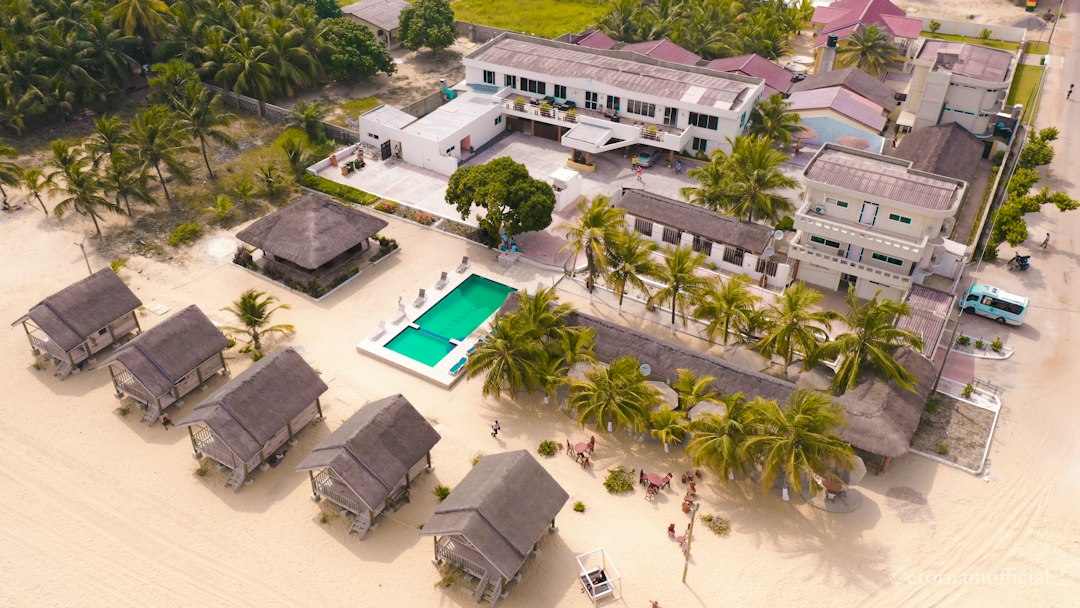
- Bashayama Village (Tatsugo, beachfront cottages) – Individual wooden villas right above Kuroshio Beach, aimed at couples and small groups, from around ¥18,000 per person with dinner, with their own stretch of sand and kayaks included for guests.
For a beach-first trip of 3-4 nights, splitting your stay — two nights near the airport, two nights in Setouchi — covers both the resort-pool experience and the better snorkeling without turning every day into a long drive.
The Beaches, Ranked by What You Want
Tomori Beach (Setouchi town): the one in every photo of Amami, with genuinely white, fine coral sand and turquoise water that gets deep blue fast past the shallows. There’s a small parking area and a single shaved-ice stand in summer, but no real facilities, so bring your own water and shade. Best visited in the morning before tour buses from Naze arrive around 11am.
Kurasaki Beach (Yamato village, 20 minutes from the airport): a long, flat beach famous for sunset, with shallow water good for kids and a seasonal jellyfish net in place roughly July through September — ask your hotel if it’s currently up before swimming outside it.
Ainokawa Beach (Naze): the most convenient beach if you’re staying in town, 15 minutes by car, with decent snorkeling around the rocky points at either end and a small free parking lot.
Manten Beach (Tatsugo): smaller and quieter, a five-minute walk from several of the resort hotels, good for an early morning swim before breakfast.
Beyond the Beach: Mangrove, Snorkel, and Dive
The Amami Mangrove Primeval Forest (Kuroshio no Mori) near the Sumiyo river mouth is the second-largest mangrove forest in Japan after Iriomote, and kayak tours run year-round through Amami Mangrove Park, typically a 1.5-hour paddle for around ¥3,500-¥4,500 per person — go on a rising tide if you can, since low tide exposes mud flats and limits the channels you can reach. For snorkeling, the reef off Tomori and the bay at Yadori Beach both have good coral cover in under 2 meters of water; several shops in Setouchi, including operators based out of Koniya port, run half-day boat snorkel trips for roughly ¥7,000-¥9,000 including gear. Divers come specifically for Amami’s coral variety, which in places rivals Okinawa, with dive shops concentrated around Setouchi and Koniya offering two-tank boat dives from about ¥15,000.
Eating on the Island
Keihan — shredded chicken, egg strips, and condiments over rice doused in chicken broth — is the dish to order at least once; Kentsuki in Naze does a well-regarded version. For izakaya food and the local black sugar shochu (kokuto shochu, unique to the Amami islands and not made anywhere else in Japan), the cluster of small bars along Yorishime-dori in Naze stays open late and is walkable from most central hotels. Oshima tsumugi, the handwoven silk the island is known for, is worth a look even if you’re not buying — there’s a demonstration workshop, Honba Oshima Tsumugi Village, open roughly 9am-5pm with weaving demonstrations.
Practical Notes Before You Book
- Typhoon season (August-September) can cancel both flights and ferries with little notice; if you’re on a tight itinerary, build in a buffer day rather than flying out the same day you leave the resort.
- Habu snakes (venomous pit vipers) are present on the island, mostly in overgrown areas and forest trails rather than on beaches or in resorts — wear closed shoes and use a flashlight if you’re walking rural roads after dark, and don’t reach into dense brush.
- Cash still matters outside the resort hotels; many small restaurants and beach-side stands in Setouchi and Yamato don’t take cards, so carry yen.
- Sun protection needs to be serious — the UV index here runs higher than mainland Japan for much of the year, and reef-safe sunscreen is appreciated (and sometimes required) at snorkel and dive operators to protect the coral.
One thing worth planning around rather than discovering on arrival: many of the better seafood restaurants and the mangrove kayak operators take same-day phone bookings only, with no English-language website, so have your hotel front desk call ahead the night before rather than assuming you can walk in.
Photo by Etornam Ahiator on Unsplash