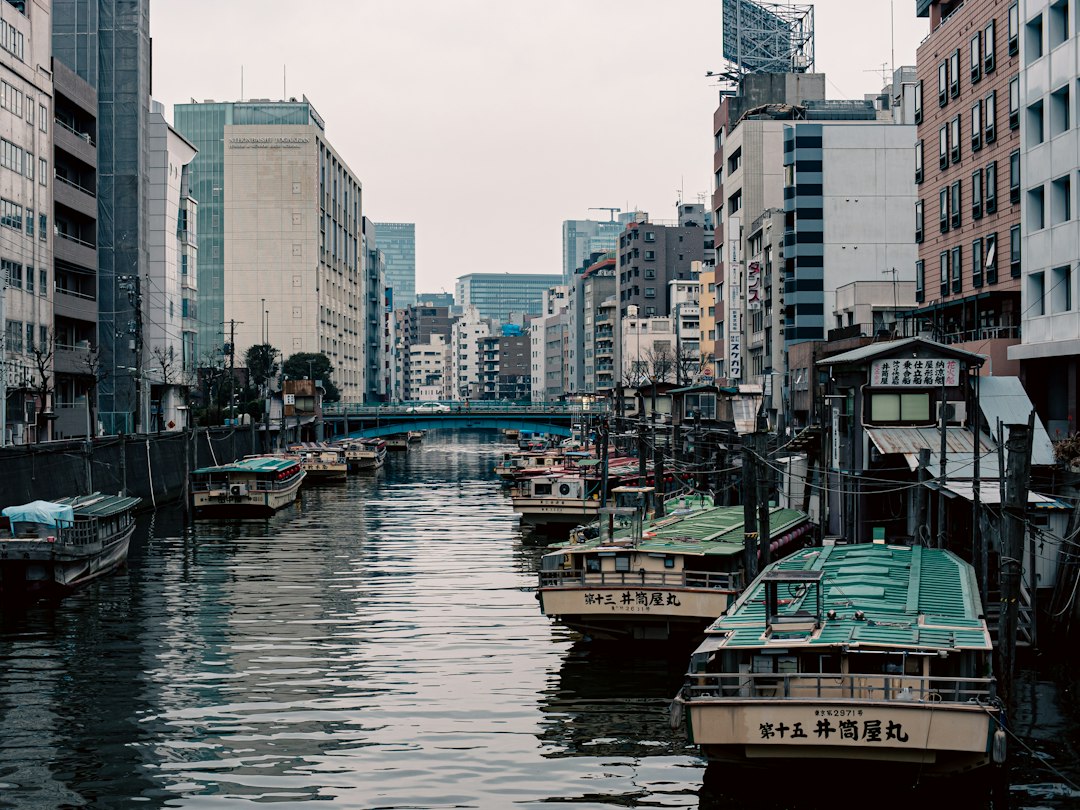
A New Kind of Japanese Lodging Rocks Gently on the Water
Japan is famous for capsule hotels, ryokan with tatami floors, and futuristic pod stays, but a quieter and far more soulful trend is spreading along the country’s coastlines: converted fishing boat houseboats. These are retired wooden or fiberglass fishing vessels that once hauled squid, sea bream, or oysters from the sea, now lovingly restored into cozy, floating guesthouses. For travelers seeking something authentic, low-impact, and deeply connected to Japan’s maritime culture, a night aboard one of these repurposed boats offers an experience no hotel room can replicate.
What Exactly Is a Converted Fishing Boat Houseboat?
Unlike large luxury houseboats found in other parts of the world, Japan’s fishing-boat-turned-lodging concept tends to be small-scale, intimate, and community-driven. Local fishermen, retirees, or young entrepreneurs returning to their hometowns take a decommissioned fishing boat — often one that has been in a family for generations — and transform its hull into a snug sleeping cabin. The engine room may become a kitchenette, the deck a lounging area with lanterns and cushions, and the old nets and buoys are kept as decorative reminders of the vessel’s working past.
Some houseboats remain permanently moored in a harbor, functioning much like a stationary cabin with a view, while others can be gently towed or piloted a short distance so guests wake up anchored in a quiet cove rather than a busy port. Either way, the appeal lies in the same thing: falling asleep to the sound of lapping waves inside a vessel that has real history, real character, and real ties to the community around it.
Why Coastal Japan Is Embracing This Trend
Japan’s fishing industry has faced decades of decline as younger generations move to cities and aging fishermen retire without successors. Rather than letting old boats rot in harbors, many coastal towns have found a creative second life for them through tourism. Converting a boat into a houseboat stay allows a family to preserve a piece of local heritage, generate income for a shrinking fishing community, and invite visitors to understand a way of life that might otherwise disappear unnoticed.
This aligns closely with Japan’s broader movement toward regional revitalization, where akiya (empty houses), old train cars, and now fishing boats are being converted into unique accommodations that draw travelers away from the well-trodden tourist trail and into smaller, often overlooked communities.
Top Regions to Find Houseboat Stays
The Seto Inland Sea (Setouchi)
Scattered with hundreds of small islands, calm waters, and a slower pace of life, the Setouchi region between Honshu and Shikoku is one of the best places to find converted fishing boat accommodations. Many are located near art-island destinations, allowing guests to combine a houseboat stay with visits to contemporary art museums, quiet shrines, and citrus groves.
The Noto Peninsula
Known for its rugged coastline, traditional salt farming, and rich seafood culture, the Noto Peninsula in Ishikawa Prefecture has seen several small guesthouses emerge from old fishing vessels docked in tranquil harbor towns. Staying here pairs beautifully with visits to morning markets and lacquerware workshops.
Okinawa and the Southern Islands
In the subtropical south, some converted boats double as snorkeling or diving bases, moored near coral reefs where guests can dive straight from the deck into warm, clear water. These stays lean more toward tropical relaxation than rustic nostalgia, though the boats themselves often retain their original fishing-era woodwork.
Hokkaido’s Fishing Villages
In the north, hardy fishing boats once used for salmon and crab hauls have been converted into cozy winter retreats, complete with wood stoves and thick blankets, offering a strikingly different atmosphere from their tropical southern counterparts.
What to Expect During Your Stay
Space aboard a converted fishing boat is intentionally compact. Expect a snug sleeping area, often just enough room for a futon or built-in bunk, a small table, and simple lighting reminiscent of the boat’s working days. Bathrooms are sometimes on the boat itself and sometimes shared with a nearby shore facility, so it’s worth checking details before booking. Many hosts provide simple breakfasts featuring local seafood, rice, and miso soup, sometimes prepared using the very same fish once caught by the boat itself.
Evenings are typically quiet, with the gentle rocking of the hull and the distant calls of seabirds replacing city noise entirely. Many guests describe the experience as meditative, a rare chance to slow down completely and reconnect with the rhythm of the tide.
Sustainability and Local Revitalization
Beyond novelty, converted fishing boat stays represent a meaningful form of sustainable tourism. Instead of scrapping old vessels, communities repurpose them, reducing waste and preserving craftsmanship built into the original hulls. Money spent on these stays often goes directly to small family operations rather than large hotel chains, helping sustain fishing villages that might otherwise fade as populations shrink. For travelers interested in responsible tourism, this is an excellent way to support local economies while enjoying a genuinely unique night’s sleep.
Booking Tips and Best Practices
- Search using Japanese terms like gyosen shukuhaku (fishing boat accommodation) alongside English keywords, as many listings are hosted on regional tourism sites rather than major international platforms.
- Contact hosts in advance about bathroom facilities, meal options, and whether the boat is moving or stationary, since amenities vary widely.
- Book early during peak seasons such as summer holidays or local festivals, as these stays typically have only one or two rooms available per boat.
- Consider combining your stay with nearby island-hopping, hot spring visits, or seafood markets to make the most of the coastal region.
Packing and Preparation
Pack light, as storage space is limited. Bring layers, since sea breezes can be cooler than inland temperatures even in warmer months. A reusable water bottle, sun protection, and non-slip sandals are useful, particularly if the boat involves climbing on and off a dock or shifting slightly with the tide. If you have motion sensitivity, ask in advance whether the boat remains completely still or gently rocks throughout the night.
Respecting Local Customs and Etiquette
Many of these boats are personal projects lovingly maintained by families who once relied on them for their livelihood. Treat the space with care, remove shoes where indicated, and take time to chat with your host if they’re open to it — many have fascinating stories about decades spent at sea. Small gestures of gratitude, such as a thoughtful review or word-of-mouth recommendation, go a long way in supporting these fragile but meaningful tourism ventures.
Final Thoughts
A converted fishing boat houseboat stay isn’t about luxury; it’s about intimacy, history, and a genuine connection to Japan’s coastal heritage. Whether anchored in the calm waters of the Seto Inland Sea, tucked into a Noto Peninsula harbor, or bobbing gently off a subtropical Okinawan reef, these floating rooms offer travelers a rare chance to sleep inside a piece of living history. For anyone seeking an alternative to standard hotels and a deeper understanding of Japan’s relationship with the sea, this is an experience well worth seeking out.
Photo by katsuma tanaka on Unsplash