Why Kamikochi Valley Is Japan’s Most Enchanting Mountain Retreat
Tucked deep within the Chubu Sangaku National Park, Kamikochi Valley is often described as the Yosemite of Japan. Framed by the jagged peaks of the Hotaka mountain range and the smoldering cone of Mount Yake, this pristine highland valley sits at roughly 1,500 meters above sea level along the crystal-clear Azusa River. For travelers seeking a mountain retreat stay in Kamikochi Valley, this is not simply a hotel booking—it is an immersion into one of the most protected and awe-inspiring natural landscapes in the country.
Unlike many alpine destinations that have been overrun by development, Kamikochi has remained remarkably unspoiled thanks to strict conservation rules, including a total ban on private vehicles within the valley itself. The result is a rare kind of stillness: the sound of the river, the rustle of larch trees, and, if you are lucky, the distant call of a Japanese macaque troop. Staying overnight here, rather than visiting on a day trip, is the only way to truly experience the valley’s magic—its misty dawns, star-filled nights, and golden alpenglow on the Hotaka Range.
Types of Accommodation in Kamikochi
Kamikochi offers a surprisingly diverse range of lodging options considering its remote, protected setting. Broadly speaking, accommodations fall into three categories.
1. Classic Mountain Lodges (Sanso)
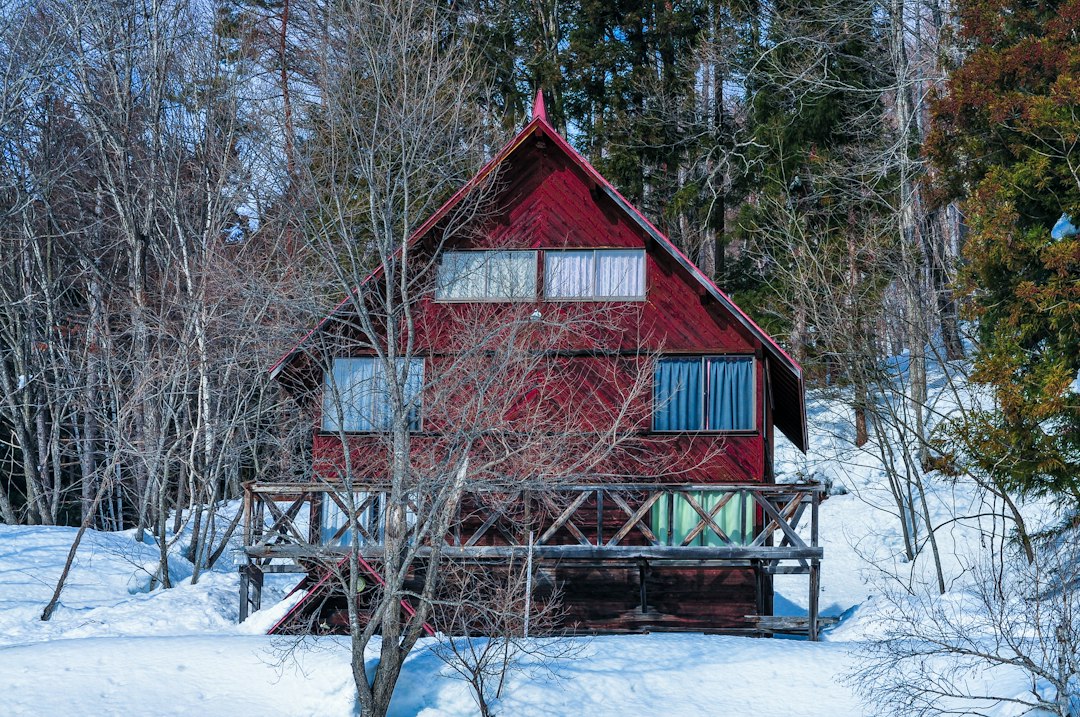
These rustic yet comfortable lodges are the heart of the Kamikochi experience. Built from timber and stone, many have operated for generations, passed down through families who understand the mountains intimately. Rooms range from simple Japanese-style tatami quarters to slightly more modern Western-style bedrooms. Meals are typically included and feature hearty, warming dishes designed to fuel a day of hiking—think grilled river fish, mountain vegetables, miso soup, and rice.
2. Historic Alpine Hotels
For a touch of heritage luxury, Kamikochi is home to a handful of storied hotels dating back to the early twentieth century, originally built to host Western mountaineers and diplomats. These properties blend European alpine architecture with Japanese hospitality, offering libraries, fireplaces, and dining rooms with sweeping views of the Hotaka peaks. Staying in one feels like stepping into a bygone era of exploration.
3. Simple Mountain Huts (Yamagoya)
For hikers pushing further into the surrounding peaks—toward Yarigatake or the Hotaka traverse—basic mountain huts provide dormitory-style bunks, simple futons, and communal meals. These are not luxurious, but they are essential lifelines for multi-day trekking itineraries and offer an authentic taste of Japanese alpine climbing culture.
What to Expect From a Mountain Retreat Stay
A stay in Kamikochi is defined by ritual and rhythm rather than amenities. Most lodges follow a similar daily pattern:
- Early breakfast served before sunrise hikers depart
- Check-out with luggage often forwarded ahead for multi-day trekkers
- Full days spent exploring trails along the Azusa River, Taisho Pond, or Myojin Pond
- Return to the lodge in late afternoon for a hot bath (many properties have onsen or at least communal baths)
- Multi-course dinner featuring seasonal, local ingredients
- Early lights-out, as the valley’s darkness and silence make for exceptional sleep
Wi-Fi and mobile signal can be limited or nonexistent in parts of the valley, which many guests find to be a welcome feature rather than a drawback. This is a place to disconnect from notifications and reconnect with the natural world.
Best Seasons for a Kamikochi Retreat
Kamikochi is only accessible seasonally, as the access road closes during the heaviest winter months. Each open season offers a distinct atmosphere:
Late Spring
Melting snow feeds the Azusa River to a vivid turquoise, while fresh green foliage begins to soften the valley floor. Crowds are thinner, and lodges are quieter.
Summer
The most popular season, with long daylight hours perfect for hiking and pleasantly cool temperatures compared to lowland Japan. Book accommodation well in advance during this peak period.
Autumn
Considered by many photographers to be the finest time to visit, as the larch and beech forests turn brilliant shades of gold and crimson against the granite peaks.
Regardless of season, evenings in the valley are cool even in summer, so packing warm layers is essential for any mountain retreat stay in Kamikochi Valley.
How to Choose the Right Lodge for You
When comparing properties, consider the following factors:
- Location along the valley: Lodges near Kappa-bashi Bridge offer convenience and easy access to main trails, while those further toward Myojin or Tokusawa provide greater tranquility and fewer day-trip crowds.
- Meal plans: Most reputable lodges include two meals, which is highly recommended given the lack of restaurants deeper in the valley.
- Bath facilities: Some historic hotels feature natural hot spring baths, a wonderful way to soothe muscles after a day of trekking.
- Room style: Choose tatami rooms for a traditional experience or Western-style twin rooms if you prefer beds over futons.
- Trekking access: If you plan to continue into the high mountains, staying near the trailhead lodges will save valuable morning hours.
Getting to Kamikochi
Because private cars are prohibited within the valley, visitors must park at designated gateway towns and transfer via shuttle bus or taxi. This system, in place for decades, has been key to preserving the valley’s air quality, soundscape, and fragile ecosystem. The journey itself, winding through forested switchbacks before the valley suddenly opens to reveal the Hotaka Range, is part of the magic of arrival.
Activities Beyond Hiking
While trekking is the primary draw, a mountain retreat stay in Kamikochi Valley also allows time for:
- Leisurely riverside walks suitable for all fitness levels and ages
- Wildlife spotting, including Japanese serow and macaques
- Photography, particularly at dawn when mist rises off the Azusa River
- Simply sitting by the water with a book, embracing the valley’s slower pace
Packing Tips for Your Stay
Even in summer, temperatures can drop significantly at night. Recommended items include:
- Layered clothing, including a warm fleece or down jacket
- Sturdy, broken-in walking shoes or light hiking boots
- A refillable water bottle, as tap water in the valley is fresh mountain spring water
- Cash, as many lodges and shops have limited card acceptance
- A basic rain jacket, since mountain weather can shift quickly
Final Thoughts
A mountain retreat stay in Kamikochi Valley offers something increasingly rare: a genuine escape into wilderness without sacrificing comfort or cultural richness. Whether you choose a heritage alpine hotel, a family-run lodge, or a humble mountain hut, waking up surrounded by the Hotaka peaks and the sound of the Azusa River is an experience that lingers long after you return to city life. Book early, pack warm layers, and prepare to slow down—Kamikochi rewards those who stay the night.
Photo by Md Samir Sayek on Unsplash